Category: Uncategorized

  • My Ayahuasca Retreat Experience

    My Ayahuasca Retreat Experience

    My Ayahuasca Experience

    Table of Contents

    Table of Contents

    Preparing for the Ayahuasca Experience

    When you decide to dive into an Ayahuasca journey, you’ll notice that emotions start bubbling up right away. It doesn’t matter if your ceremony is a week away or two months away; the feelings just start to come up. For me, it felt like the medicine was already beginning to work in my body, even before I arrived. I believe it has something to do with our connection to the plants, there’s a kind of resonance, almost like a calling from the medicine itself.

    Now, a lot of people talk about the diet, or “dieta,” leading up to the ceremony. I’ve heard countless rules about what to eat or avoid, and while the diet is important, it’s not everything. Some people think you need to go on a strict cleanse or fast, but my experience has taught me something different. The key is to eat healthily but not to starve yourself. In the days leading up to my ceremony, I made sure to eat well, keeping pork and heavy foods out of my diet, but I didn’t go hungry. Feeling weak or tired going into an Ayahuasca experience can actually make it more challenging.

    In some of the tribes, it’s even okay to eat a small meal, like a bowl of soup, right before the ceremony. I found that having a light meal just before helped settle my stomach and eased any initial nausea I might feel when the medicine started working. Everyone’s body is different, so it’s about finding what feels right for you.
    As you prepare, keep it simple. Pack light because you won’t need much. The experience itself is so all-encompassing that you won’t be focused on the little things. And remember, the journey starts long before you drink the brew. The days leading up to the ceremony are just as much a part of the process, so listen to your body, honor your feelings, and step into the experience with an open heart and mind.

    Finding the Right Ayahuasca Retreat

    Choosing the right Ayahuasca retreat is one of the most important steps in preparing for your journey. There are countless retreats out there, but finding a place you trust is necessary for a positive experience. I’ve had some incredible experiences at retreats that were recommended by others who’ve walked this path before me.

    When I think about where to go, my mind always goes to Jungle Medicine in Costa Rica. It’s one of those retreats where you feel completely taken care of. They have a strong connection with the Shawanawa tribe, who are incredible to sit with. Being in the jungle, immersed in nature, and guided by a tribe that has such a deep understanding of the medicine can make a world of difference. It’s not just about the ceremony itself, but about the energy, the traditions, and the teachings that the tribe brings. If you’re able to make the journey, it’s well worth it.

    ayahuasca brew and vines

    However, I understand that not everyone can travel to places like Costa Rica. If you’re in the States, there are closer options that still offer a meaningful experience. Sacred Sanctuary in Orlando, Florida, is a good alternative. It may not have the same depth of tradition as sitting with a tribe, but it’s a great place to start, especially if you’re new to the medicine.

    Cost is another factor to consider, but you’d be surprised how affordable some of these experiences can be. For example, a weekend at Jungle Medicine can be around $500, plus the cost of a flight and your passport. All in all, you’re looking at under $1,000 for a life-changing experience. When you consider the profound impact Ayahuasca can have on your life, it’s an investment worth making.

    Once you’ve chosen a retreat, do some light preparation. It’s good to educate yourself about what to expect, but try not to get too caught up in reading every article or watching every video out there. Each person’s journey with Ayahuasca is unique, and overloading yourself with information can sometimes create expectations that don’t match your own experience. Trust the process, trust yourself, and trust the space you’ve chosen.

    What to Expect

    One of the biggest pieces of advice I can give is to go into an Ayahuasca retreat with as few expectations as possible. It’s natural to be curious about what might happen, but holding onto specific ideas can limit your experience. In the world of Ayahuasca, we often refer to the plant as “Mother” because she has a way of guiding us to what we need most, not necessarily what we expect or want.

    Your first experiences with Ayahuasca can be incredibly powerful and are often the most impactful. They serve as the foundation for your journey, helping you to address some of the deeper traumas and patterns you might have been carrying for a long time. But rest assured, Ayahuasca is gentle. She knows exactly how much to show you and will never overwhelm you with more than you can handle.

    So, when you’re heading into your first ceremony, be open to whatever comes. Trust that you’re going to see what you need to see and feel what you need to feel. It’s all part of the process of healing and understanding yourself on a deeper level.

    What Does the Ayahuasca Ceremony Look Like?

    On the first day of an Ayahuasca retreat, most centers start with a rest day. You typically arrive, settle in, and relax. If you arrive the same day as the ceremony, it’s best to get there early so you have time to rest and hydrate. Ceremonies usually begin in the evening, around 8 to 10 p.m., though some tribes also offer beautiful day ceremonies.

    Upon arrival at the retreat center, you’ll choose your spot for the ceremony, this could be a bunk, a private room, or even a space in the maloca, which is a traditional ceremonial hut. It’s a good idea to get comfortable and start getting to know the other participants. These people often become lifelong friends, so opening up and connecting can enhance the experience.

    ayahuasca ceremony

    On the first night, it’s normal to feel nervous, especially if it’s your first time. Even those who have sat with Ayahuasca before often feel a mix of nerves and respect for the medicine. The first ceremony usually starts with a cleansing. After some time in silent meditation, the shamans or maestros will perform prayers over the medicine. Then, the servers will distribute the Ayahuasca.

    After drinking, it can take anywhere from 15 minutes to an hour for the medicine to take effect. The taste of Ayahuasca is unique, some people don’t mind it, while others find it challenging. The key is to keep it down for at least 15 minutes to let it start working.

    Once the Ayahuasca begins to take effect, you may experience a range of sensations and perceptions. Thoughts can come in quickly, and you might find yourself in a different state of awareness, sometimes feeling like you’re outside your body. For some, this can feel disorienting, but it’s important to breathe and stay calm. The most intense part usually lasts about an hour, with the overall experience lasting around two hours. During this time, it’s common to have visions, insights, or emotional releases, and many people will purge as part of the cleansing process.

    Purging

    Purging during an Ayahuasca ceremony can take several forms. It might involve sweating, vomiting, yawning, or even laughing. Most commonly, people purge through either vomiting or sweating.

    Sweating is an incredibly powerful form of purging. It can be intense but is often seen as a beneficial way to release built-up emotions and thoughts. When you sweat, you’re literally bringing to the surface what’s been buried within. It’s a physical manifestation of the emotional and mental cleansing happening inside you.

    Vomiting, on the other hand, is a more direct way to expel deep-seated traumas and toxins from the body. It’s a significant part of the Ayahuasca experience for many, offering a release of internal struggles and emotional blockages.

    Purging typically occurs early in the experience, but it can happen at various times throughout the ceremony. Once you’ve purged, you might find yourself entering a deeper, more insightful part of the journey. This phase of the experience often feels more profound and transformative. After purging, many find that the remaining part of the ceremony offers a clearer, more serene exploration.

    Afterglow

    Emerging from an Ayahuasca ceremony is often marked by a profound sense of bliss and emotional release, regardless of how intense the journey may have been. The end of the ceremony brings a beautiful, uplifting feeling—one of love and deep satisfaction.

    Throughout the ceremony, music plays a crucial role, weaving through the experience and enhancing the journey. It creates an atmosphere that supports emotional and spiritual exploration.

    During ceremonies at places like the OM Jungle Medicine retreat, you’ll typically be served Ayahuasca three times. The process begins with the first cup, followed by a waiting period of two to three hours before the second cup is offered. Depending on the retreat, you might receive a third serving later on. Some ceremonies can continue until morning, while others might wrap up around 2 a.m. The exact timing varies by the retreat and ceremony.

    As you experience these ceremonies, embrace everything they offer. The weekend is a short time, so dive in fully. You may not get much sleep, but engaging completely in the process is incredibly beneficial.

    After the ceremony, you might find it challenging to rest as your mind processes the journey. It’s common to have racing thoughts and emotions that make sleep elusive. Take this time to rest as much as you can.

    In the morning, a small breakfast is typically served, which is important to help you regain energy. By noon or early afternoon, most retreat centers will offer another light meal. Eating these meals is crucial for sustaining your energy and preparing for the next ceremony.

    You’ll likely have about 10 hours of downtime between ceremonies. During this period, participate in any offered activities like yoga or mid-integration sessions. Engaging with these practices is highly recommended and adds to the overall experience.

    As you prepare for the next ceremony, stay involved and make the most of this transformative time. Each ceremony builds upon the previous one, leading to a deeper understanding and integration of your experiences.

    Second Ceremony 

    As we step into the second ceremony, we start with a bit more familiarity with how the medicine works and what to expect. Although we have gained some understanding, it’s important to approach this experience without rigid expectations. Just like the first ceremony, enter with clear intentions. Reflect on what you didn’t fully address in the first session and ask the medicine to guide you further.

    The second ceremony often feels a bit gentler, as you become more attuned to the process. With this improved understanding, navigating the experience becomes easier. You’ll typically be served two cups of Ayahuasca, with a break in between. In some cases, a third cup might be offered. The timing of the ceremonies can vary: often held on consecutive nights (Friday and Saturday), or sometimes including a daytime session and an evening one on Saturday.

    I make sure to participate fully in all the ceremonies offered. Even if I feel tired or drained, I push through. This is part of the process, and there will be time to rest later. Engaging fully helps to make the most of the journey.

    It’s common to feel a lack of sleep during these intense sessions. Even if falling asleep seems difficult, make sure to get enough rest. Just lying down and relaxing can be rejuvenating.

    As the ceremony concludes, you’ll start preparing to leave the space. We’ve covered entering the ceremony, setting your intentions, and what to expect during the session. Now, it’s time to transition from the ceremony space and reflect on the journey ahead.

    After the Ceremony Ends

    After the ceremony wraps up, it’s a great idea to exchange contact information with fellow participants. These individuals have shared profound experiences with you, and some of these connections might turn into lifelong friendships. The group sizes can vary from as few as six to as many as twenty, so it’s worth taking the time to connect with everyone.

    Integration is an important step after the ceremony. Make sure to take time for this process, reflecting on the insights and emotions that surfaced. I also recommend taking a small token from the retreat, like a leaf or a memento from the land. This helps keep the memory of the ceremony alive and anchors the experience.

    The music played during the ceremonies is another important aspect to remember. If possible, get a copy of the playlist. The music can help you reconnect with the experience and the emotions you feel, even when the details begin to fade.

    6

    As you return home, you’ll likely need some well-deserved rest. The days following the retreat can offer deeper understanding and clarity about your experience. Give yourself the space to integrate and reflect, and in time, the journey will reveal even more meaning.

    Arriving Back Home

    When you return home, you might notice a shift in how you approach food. What once seemed appealing, like fast food, may now feel unappetizing. You’ll likely find yourself drawn to healthier choices, and that’s a positive change.

    Your dreams might become much more vivid and emotional. Embrace them and try to understand their messages. It’s normal for your emotions to be all over the place for a while—one moment you could be crying, and the next, laughing. Letting your tears flow is actually a powerful way to cleanse and heal.

    When I settled back into my routine, I made a conscious effort to shake things up. I didn’t dive straight back into work. Instead, I took some time to change my daily patterns. For instance, switch up your morning routine, like making coffee before brushing your teeth, or vice versa.

    Start your mornings with a glass of citrus water, like lemon or lime water, to help balance your body’s pH levels and kickstart your day.

    Consider joining integration groups like Plant Medicine Path which offer support and community as you process your experience. Engaging with others who share similar insights can be incredibly helpful.

    I made a point to avoid alcohol, knowing it could interfere with the progress I was making. Instead, I focused on building new, positive habits.

    If you’re considering another experience, waiting 2-3 months is generally recommended. Microdosing with psilocybin during this time can help keep your neural pathways open and support ongoing growth.

    Everyone’s journey is unique, and the frequency of your experiences will depend on your personal needs. As you continue to explore, remember there are many paths for spiritual, mental, and physical growth.

    The Plant Medicine Path

    Embark on the rejuvenating journey of Plant Medicine and experience healing like never before! At the Plant Medicine Path, we believe in the power of nature to transform lives. Join a vibrant community of like-minded individuals seeking the benefits of plant medicines and their therapies. With our unwavering commitment to providing the best resources and support, you can be sure that your physical, mental, and emotional health will be in good hands.

    Sharing is Caring:
  • Breaking Down the Stigma of Psychedelics

    Breaking Down the Stigma of Psychedelics

    Breaking Down the Stigma of Psychedelics

    Table of Contents

    Table of Contents

    The interaction between society and psychedelics has a complicated and long history. In the 1960s, they represented peace, love, and freedom. However, due to social and cultural issues, the government and media stigmatized them, resulting in their classification as Schedule I drugs. Luckily, supporting the use of psychedelics, especially for medicinal purposes, is no longer as stigmatized as it once was.

    Recent research, coupled with FDA approval and expedited processes, indicates that psychedelics, among others, can be valuable in therapeutic contexts for treating mental health conditions such as depression, anxiety, and PTSD. Consequently, policies are evolving to facilitate legal access for research and medical purposes, simultaneously altering the public narrative and diminishing the stigma associated with these substances.

    History Behind the Psychedelic Stigma

    President Nixon’s drug war was important in classifying psychedelic medicine as Schedule 1 drugs, the most restricted and controlled category under the US Controlled Substances Act of 1970. This designation, which was replicated globally, significantly hampered ongoing research into the therapeutic potential of psychedelic medications for mental health therapy.

    In pursuit of the drug war, President Nixon imposed harsher penalties for drug crimes, including mandatory prison sentences and a considerable increase in government financing for drug-control agencies tasked with combatting drug trafficking and usage in the United States. As part of this effort, Nixon established the Drug Enforcement Agency (DEA) in 1973 as a specialized task force charged with combating illegal drug consumption, entrance, and sale within the country. Initially, the DEA had less than 3,000 agents and a $65 million budget. Today, it has approximately 10,000 agents and a budget of more than $3 billion.

    Despite a current renaissance in psychedelic medicine research offering hope to those with mental health conditions, the negative media portrayal of hallucinogens, coupled with the enduring war on drugs and opposition from medical professionals, has tarnished the reputation of psychedelics. Presently, substances like psilocybin and MDMA have regained attention for their potential in treating mental illness, obtaining breakthrough status as therapies for various brain-related disorders.

    While this marks a positive shift in mental health care, research into these medicines and their perceived benefits continues to face challenges due to misinformation, fear, and stigma, hindering the progress of psychedelic-assisted therapy into mainstream mental health treatment.

    fingers holding a text card saying "fda approve" symbolizing psychedelic stigma

    Is There a Future For Psychedelics

    Despite federal restrictions, certain states and municipalities have recently enacted laws either decriminalizing or legalizing recreational psychedelic mushroom use. This mirrors the trends seen in the legalization efforts of recreational marijuana, starting with Colorado and Washington in 2012. While 21 states have legalized recreational marijuana, it remains a Schedule I substance federally, suggesting that a shift in the federal stance on psilocybin legalization is unlikely in the near future.

    However, despite barriers to psilocybin decriminalization and legalization, the U.S. Food and Drug Administration (FDA) has approved clinical trials exploring psilocybin’s potential in treating anxiety, depression, post-traumatic stress disorder, and other health issues. These trials serve as a crucial preliminary step for pharmaceutical manufacturers seeking FDA approval for new drug therapies. With significant investments from the pharmaceutical industry in psilocybin research and a surge in state and local legislation, the industry is thriving despite psilocybin’s Schedule I status.

    Media Can Help Fight the Stigma

    Michael Pollan, originally known for his exploration of the socio-cultural aspects of food, underwent a shift in focus in 2018 with the release of his book, “How to Change Your Mind.” This book sparked conversations about psychedelic drugs and their possible impact, which inspired a Netflix series of the same name.

    It’s important to note that influential podcasts with expansive audiences, such as The Joe Rogan Experience and The Tim Ferris Show, have featured leading experts in psychedelics and psychedelic medicine. Additionally, our podcast, “Medicine With the Medals,” hosted by Mark and Michele, consistently delivers engaging discussions, experiences, and excellent guests. Through these constructive conversations, which often include personal experiences, these podcasts have played a significant role in advancing discussions around the therapeutic potential of psychedelics. This collective effort is instrumental in pushing the conversation on psychedelic medicine into broader public awareness.

    Why Is Psychedelic Advocacy Important

    Advocacy is a collaborative work, not a solitary pursuit. Individuals such as advocates, researchers, therapists, and those with lived experiences, as well as organizations, come together to share their knowledge, expertise, and resources. This collaboration is critical for amplifying voices, strengthening advocacy activities, and presenting a unified front for real change. Building bridges and fostering connections allows advocates to broaden their reach, increase their reputation, and have a substantial impact on society.

    Psychedelic advocacy acts as a catalyst for change, removing stigma, influencing policy changes, encouraging harm reduction, and destigmatizing mental health. Through the dedicated efforts of passionate advocates, there is a noticeable shift in societal attitudes towards psychedelics. This transformation is opening doors for further research, therapeutic applications, and positive societal change.

    The destigmatization of mental health is intricately linked to advocacy efforts for psychedelics. Advocates are actively working to challenge the societal perception that mental health challenges should be shrouded in shame. By emphasizing the potential of psychedelic-assisted therapies to address conditions like depression, anxiety, PTSD, and addiction, these advocates aim to shift the narrative. They illuminate the healing capabilities of these substances, showcasing how they can work alongside traditional methods and provide fresh opportunities for personal growth and transformation.

    a person talking into the megaphone breaking down the stigma of psychedelics

    Final Word

    The urgent need to address the rapidly expanding mental health crisis is clear, and the moment to act is now. History has demonstrated that stigma and shame can have a negative impact on people with mental illnesses, limiting their access to appropriate treatment choices. The ongoing drug war and the persistent propagation of disinformation about psychedelics have undoubtedly slowed progress in the development of psychedelic-assisted therapy.

    However, there is hope. Recognizing that stigma is often caused by negative perceptions, the most effective technique for reducing stigma is early intervention and education. By proactively addressing myths and giving factual information, we may lay the groundwork for a more helpful and informed response to mental health challenges.

    The Plant Medicine Path

    Embark on the rejuvenating journey of Plant Medicine and experience healing like never before! At the Plant Medicine Path, we believe in the power of nature to transform lives. Join a vibrant community of like-minded individuals seeking the benefits of plant medicines and their therapies. With our unwavering commitment to providing the best resources and support, you can be sure that your physical, mental, and emotional health will be in good hands.

    Sharing is Caring:
  • Can Psychedelics Actually Help With IBS?

    Can Psychedelics Actually Help With IBS?

    Can Psychedelics Actually
    Help With IBS?

    Table of Contents

    Table of Contents

    Ever felt like your stomach playing the drums like it’s headlining a rock concert? Well, you might be dealing with the infamous digestive system disruptor called IBS, causing mayhem in the daily lives of many. However, luckily research indicates that the use of psilocybin for IBS relief may be effective, as some reports claim great success with this alternative treatment option..

    By understanding the mechanisms through which psilocybin interacts with the gut-brain axis, we can better comprehend its impact on symptom management and overall well-being. Let’s take a better look at the miraculous powers of plant medicine.

    Key Takeaways

    • Psilocybin shows potential in relieving symptoms of Irritable Bowel Syndrome (IBS).

    • The gut-brain axis plays a crucial role in digestive disorders like IBS.

    • Psilocybin may affect the gut-brain axis, leading to symptom relief.

    • Understanding how psilocybin works can give light on its potential therapeutic benefits for IBS.

    What Is Irritable Bowel Syndrome (IBS)

    Irritable Bowel Syndrome (IBS) is a common digestive disorder that affects millions of people worldwide. It is characterized by a combination of symptoms that can vary from person to person, making it a complex condition to understand and manage.

    People with IBS often experience a range of symptoms, including abdominal pain, bloating, gas, diarrhea, and constipation. These symptoms can significantly impact their quality of life, causing discomfort, distress, and disruption to daily activities.

    IBS is thought to be a functional disorder, which indicates that there are no structural abnormalities in the digestive tract. Instead, it is likely to be caused by a mix of variables such as altered gastrointestinal motility, increased pain sensitivity, changes in gut flora, and gut-brain axis disturbances.

    a person suffering from IBS before taking psychedelic medicine

    Common Symptoms of Irritable Bowel Syndrome (IBS)

    • Abdominal pain or cramping,

    • Bloating and excessive gas,

    • Diarrhea or constipation, or a combination of both,

    • Changes in bowel habits,

    • Incomplete bowel movements,

    • Mucus in the stool,

    • Food intolerances,

    • Fatigue and sleep disturbances.

    How Can Psilocybin Help With IBS

    In recent years, the world of medical research has taken a turn towards psychedelics, with growing curiosity about the potential therapeutic benefits of psychedelics for individuals affected with Irritable Bowel Syndrome (IBS). According to online sources, research have shown that it has a positive impact on symptom management and general well-being in IBS patients. Psilocybin, a naturally occurring substance found in some types of mushrooms, has shown promise as an alternate treatment for this intestinal problem.

    What’s Psilocybin’s secret weapon, you ask? Well, it seems that psilocybin’s potential to stimulate neuroplasticity, or the brain’s ability to remodel and make new connections, may contribute to its therapeutic effects on IBS. Psilocybin, by promoting the reorganization of brain networks involved in pain perception and emotion regulation, may help reduce the increased sensitivity to pain and stress that IBS patients frequently suffer.

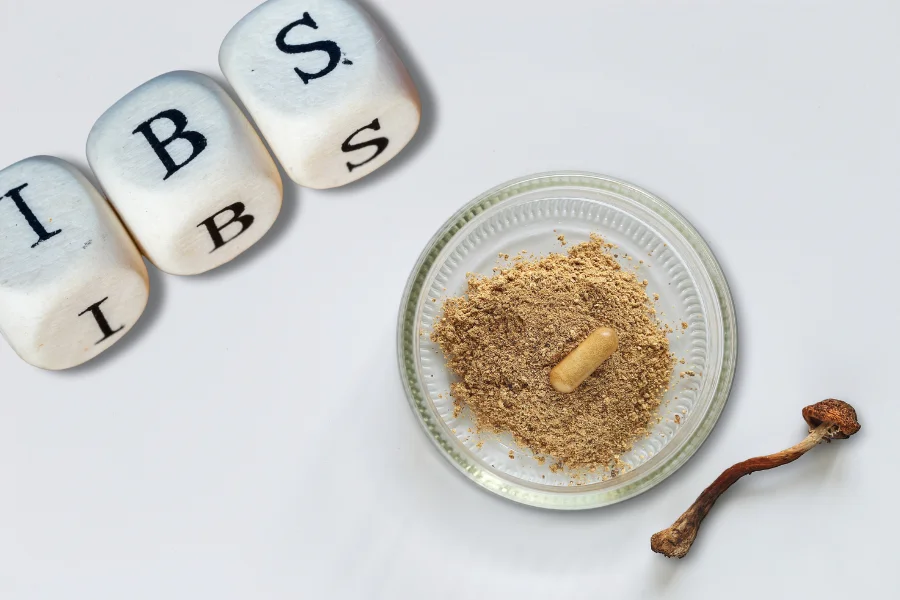
    Psilocybin mushrooms and ground powder for IBS

    Psilocybin Affects the Stomach Differently

    A recently published study conducted at the University of California, Los Angeles (UCLA) found that psilocybin affects serotonin receptors in the stomach, improving gastrointestinal motility and decreasing inflammation. These findings indicate that the chemical directly impacts the physiological processes involved in IBS, alleviating symptoms such as diarrhea, constipation, and cramps.

    And here’s where it gets really interesting – Psilocybin’s action on the gut-brain axis appears to be an essential factor in its efficacy for IBS treatment. The gut-brain axis is a complex communication network that connects the gut and the brain. It regulates digestive functions and influences emotions and cognition.

    What’s the Gut-Brain Axis

    The gut-brain axis is a bidirectional communication pathway that connects the gastrointestinal tract to the central nervous system, revealing the delicate interplay between these important organs. This complicated network of neurological, hormonal, and immunological channels promotes constant communication and mutual influence on each other’s functions.

    Gut health plays an important role in overall well-being, and disruptions in the gut-brain axis have been linked to a variety of mental health issues, including depression, anxiety, and stress-related illnesses. In contrast, psychological variables like stress and emotions can have an impact on gut health and contribute to gastrointestinal problems.

    A recent study has revealed the role of the gut bacteria in this axis. The gut microbiota is made up of trillions of microorganisms that live in the gastrointestinal system and aid in digestion, immunological function, and the integrity of the gut barrier.

    The gut microbiota has been shown to produce neurotransmitters, neuroactive metabolites, and hormones that can have an impact on brain function either directly or indirectly, demonstrating the tight link between intestinal health and mental well-being.

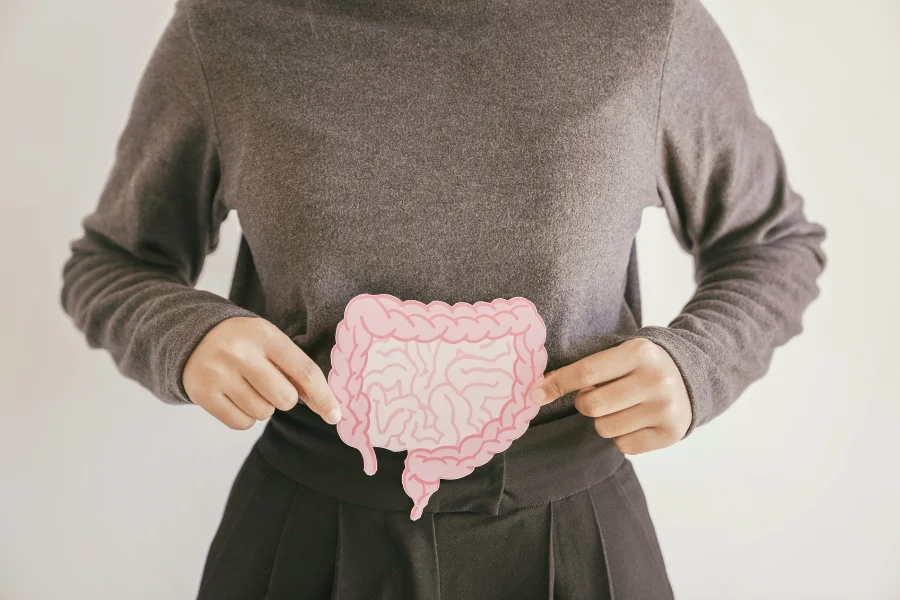
    a person holding a drawing of a gut symbolizing successful psychedelic treatment for IBS

    How Psilocybin Impacts the Gut-Brain Axis

    Psilocybin has sparked interest in its possible therapeutic effects on the gut-brain axis, notably for Irritable Bowel Syndrome (IBS) treatment. Understanding the processes by which psilocybin interacts with this complex interaction can offer insights into its potential as a therapeutic alternative.

    Serotonin

    One key mechanism by which psilocybin impacts the gut-brain axis is through its interaction with serotonin receptors in the brain. Serotonin, known as the “feel-good” neurotransmitter, plays a crucial role in regulating mood, appetite, and gastrointestinal function.

    By targeting serotonin receptors, psilocybin may regulate bowel movements, reduce inflammation, and alleviate pain associated with IBS, offering potential relief for individuals struggling with the condition.

    Neuroplasticity

    Neuroplasticity, the brain’s ability to reorganize and form new neural connections, also plays a significant role in the impact of psilocybin on the gut-brain axis. Studies have shown that psilocybin can enhance neuroplasticity, potentially leading to positive changes in brain structure and function.

    The Cascade Effect

    Psilocybin’s impact on the gut-brain axis extends beyond serotonin receptors and neuroplasticity. Researchers speculate that psilocybin’s influence on inflammatory pathways, immune function, and stress response systems may also contribute to the promising effects observed in IBS relief. By modulating various biological processes within the gut-brain axis, psilocybin may help restore balance and improve the overall well-being of individuals with IBS.

    Potential Risks and Limitations

    Psilocybin, like any other therapeutic substance, carries potential risks. It is important to be aware of these risks and proceed with caution:

    • Psychological effects. Psilocybin can induce altered states of consciousness and hallucinations, which may not be suitable for everyone.

    • Personal reactions. Each individual may have a unique response to psilocybin

    • Medication interactions. Psilocybin may interact with certain medications, including antidepressants and anti-anxiety medications.

    • Not a standalone treatment. Psilocybin should not be considered as a standalone treatment for IBS. It is best used as part of a comprehensive treatment approach that includes lifestyle changes, dietary modifications, and other evidence-based therapies.

    The Final Word

    Through our analysis, it becomes clear that psilocybin holds significant potential as a promising avenue for providing relief to individuals suffering from Irritable Bowel Syndrome (IBS). The intricate gut-brain relationship plays a crucial role in the development and management of IBS symptoms, and psilocybin may offer a unique approach to address this complex condition.

    Research suggests that psilocybin can positively influence the gut-brain axis, leading to improved symptom management and overall well-being for individuals with IBS. By interacting with serotonin receptors and promoting neuroplasticity, psilocybin may help restore balance and alleviate the distressing symptoms of this digestive disorder.

    Yet, the journey doesn’t end here. While the findings are encouraging, it is important to note that more research is needed to fully understand the potential risks, contraindications, and limitations associated with psilocybin treatment for IBS. However, the existing evidence highlights the importance of further exploration in this area, considering the potential impact on the lives of those affected by IBS. Continued research on psilocybin and its relationship with IBS relief can pave the way for alternative treatment options that may provide hope and improved quality of life for individuals living with this chronic condition.

    The Plant Medicine Path

    Embark on the rejuvenating journey of Plant Medicine and experience healing like never before! At the Plant Medicine Path, we believe in the power of nature to transform lives. Join a vibrant community of like-minded individuals seeking the benefits of plant medicines and their therapies. With our unwavering commitment to providing the best resources and support, you can be sure that your physical, mental, and emotional health will be in good hands.

    Sharing is Caring:
  • Can Ibogaine Cure Nicotine Addiction

    Can Ibogaine Cure Nicotine Addiction

    Can Ibogaine Cure Nicotine Addiction

    Table of Contents

    Table of Contents

    If you or a loved one is struggling with nicotine addiction, you know how challenging it can be to quit. Traditional smoking cessation methods often fall short, leaving individuals feeling defeated and hopeless. However, there may be a solution that offers a glimmer of hope – ibogaine.

    Derived from the natural iboga plant, ibogaine has shown promise in treating addiction, including the nicotine one. By interacting with the brain in unique ways, ibogaine can help counteract addiction and reduce nicotine cravings.

    We will explore the science behind ibogaine’s effectiveness and learn about the potential benefits of this natural substance in treating nicotine addiction. We’ll also discuss the treatment process, potential risks and side effects, and the role of aftercare in maintaining long-term success.

    Key Takeaways:

    • Ibogaine is a natural substance derived from the iboga plant that has shown promise in treating addiction, including nicotine addiction.
    • Ibogaine interacts with the brain in unique ways to counteract addiction and reduce nicotine cravings.
    • Individuals considering ibogaine treatment should be aware of potential risks and side effects and embrace comprehensive aftercare to maintain long-term success.
    • Ibogaine treatment can be integrated with holistic approaches to address nicotine addiction comprehensively.
    • By understanding the science behind ibogaine’s effectiveness, people struggling with nicotine addiction can find hope and healing with this promising treatment option.

    Understanding Nicotine Addiction

    Nicotine addiction is a complex process that develops over time with continued use of nicotine-containing products, such as cigarettes, cigars, vapes and chewing tobacco. It is a chronic, relapsing condition that leads to physical dependence and withdrawal symptoms when attempting to quit.

    The addictive agent in tobacco products is nicotine, which acts on the brain’s reward system to produce pleasurable sensations. Over time, the brain adapts to the presence of nicotine, and the user requires higher doses to achieve the same effect.

    Repeated exposure to nicotine leads to changes in the brain’s structure and function, resulting in strong urges to use tobacco products. Additionally, triggers such as stress, social situations, and environmental cues can provoke cravings and increase the risk of relapse.

    While the negative health consequences of smoking are well-known, the addictive nature of nicotine makes quitting a challenging process. Understanding the underlying mechanics of nicotine addiction is an essential step in identifying effective treatment options, such as the use of ibogaine.

    The Limitations of Traditional Smoking Cessation Methods

    cigarette crossed with tobacco background symbolizing how iboga can help you quit smoking

    More than 23 million of people worldwide struggle with nicotine addiction, and traditional smoking cessation methods have been a go-to approach for many. However, while these methods may provide short-term relief, they often fall short in offering long-term solutions for nicotine addiction.

    The most common traditional smoking cessation methods include nicotine replacement therapy, medication, and counseling or support groups. These methods can help people manage nicotine withdrawal symptoms and offer temporary support to quit smoking. Still, they don’t address the underlying causes of addiction, making it challenging to maintain long-term abstinence.

    Moreover, traditional smoking cessation methods are often costly and may come with unwanted side effects. Nicotine replacement therapies, for example, can have various side effects that impact an individual’s quality of life. Medications like bupropion may lead to insomnia, seizures, and mood changes. While counseling and support groups can be beneficial, they don’t always cater to individual needs and preferences.

    It’s essential to note that nicotine addiction is a complex condition that affects people differently. Therefore, there’s no one-size-fits-all approach to treat it successfully. It’s time to look beyond traditional smoking cessation methods to offer more effective and personalized solutions.

    Iboga and Ibogaine

    drawing of an iboga plant

    Ibogaine is an all-natural substance extracted from the root bark of the iboga plant, which is native to West Africa. It has been used for centuries in traditional healing practices and is known for its psychoactive and therapeutic properties.

    In recent years, ibogaine has gained attention for its potential in treating addiction, including nicotine addiction. This natural substance works by resetting the brain’s reward system, which is often disrupted in individuals struggling with addiction.

    Ibogaine’s properties have shown promise in reducing withdrawal symptoms and cravings, leading to improved outcomes in individuals seeking treatment for addiction.

    Overall, ibogaine’s potential in treating addiction is rooted in its unique properties and the growing body of research supporting its efficacy.

    The Science Behind Ibogaine’s Effectiveness

    Research has shown that ibogaine interacts with various neurotransmitters and receptors in the brain, including dopamine, serotonin, and glutamate, to counteract addiction. Specifically, studies suggest that ibogaine may reset the brain’s reward system, which is often disrupted by nicotine addiction, by increasing brain-derived neurotrophic factor (BDNF) and inhibiting certain receptors.

    This resetting may contribute to reduced cravings for nicotine and a decreased desire to smoke. Additionally, studies show that ibogaine may also improve insight, self-awareness, and overall mood, which are essential for long-term recovery from addiction.

    While the exact mechanisms of how ibogaine works to combat addiction are not fully understood, its potential as a powerful tool in the battle against nicotine addiction is undeniable.

    Ibogaine Treatment Process

    Undergoing ibogaine treatment for nicotine addiction involves several key steps and considerations. First, it is essential to find a reputable and experienced ibogaine treatment center. The process typically begins with a thorough medical evaluation to ensure the individual is a suitable candidate for treatment.

    Once cleared for treatment, the individual will enter the detox phase, during which they will abstain from nicotine and any other substances leading up to the ibogaine treatment. The treatment itself involves ingesting a precise dosage of ibogaine, usually administered in a single session lasting several hours.

    Following the treatment, individuals will enter a recovery phase, where they will continue to receive support and care from medical professionals. This aftercare period is crucial in preventing relapse and ensuring long-term success.

    As with any medical intervention, it is essential to carefully consider the potential risks and side effects of ibogaine treatment. Some people may experience adverse reactions, including nausea, vomiting, and changes in blood pressure, among others. It is crucial to work with a qualified medical professional throughout the treatment process to monitor any potential issues closely.

    Overall, the ibogaine treatment process for nicotine addiction offers a unique and promising approach to addressing addiction and can be an effective solution for individuals struggling to quit smoking.

    Potential Side Effects and Risks

    While ibogaine can be effective in treating nicotine addiction, it’s essential to understand the potential side effects and risks associated with this form of treatment. One of the most significant risks is the impact on the heart, as ibogaine can cause changes in heart rate and rhythm. people with pre-existing heart conditions should avoid ibogaine treatment. Other potential side effects include nausea, vomiting, tremors, and anxiety. It’s essential to work with a qualified healthcare provider with experience in administering ibogaine to minimize these risks and monitor for any adverse reactions. Individuals considering ibogaine treatment should be sure to disclose their full medical history to their healthcare provider to evaluate their suitability for this treatment.

    The Role of Aftercare in Sustaining Recovery

    person meditating after quitting smoking

    While undergoing ibogaine treatment can be a vital first step towards overcoming nicotine addiction, sustained recovery is dependent on comprehensive aftercare. Addiction is a chronic condition that requires ongoing support and management, and this is no different for people battling nicotine addiction.

    Aftercare can take many forms, ranging from outpatient therapy to participation in support groups. Regardless of the specific form, aftercare helps individuals develop critical coping skills and creates a support network that will help them navigate the challenges of recovery.

    Additionally, aftercare can help individuals address underlying issues that may have contributed to their addiction, such as trauma, mental health conditions, or relationship problems. Addressing these issues holistically is critical in establishing a foundation for long-term recovery.

    Overall, aftercare plays a crucial role in sustaining recovery from nicotine addiction. By committing to aftercare and continuing to prioritize recovery, a person can build a life free from addiction with the help of ibogaine treatment.

    Ibogaine and Holistic Approaches

    While ibogaine treatment offers a powerful intervention for nicotine addiction, its effectiveness can be further enhanced when incorporated into a holistic approach. Holistic therapies such as meditation, yoga, counseling, and nutrition can support and strengthen an individual’s recovery journey beyond the physical effects of ibogaine.

    Meditation and yoga can help manage stress levels and provide healthy coping mechanisms to individuals struggling with addiction. Counseling and support groups can address underlying psychological issues and help individuals develop more positive habits and behaviors. Nutrition plays a vital role in rebuilding the body and providing essential nutrients that support overall health and well-being.

    Final Word

    Ibogaine treatment offers a unique and promising approach to treating nicotine addiction. Unlike traditional smoking cessation methods, ibogaine targets addiction at its root by altering the brain chemistry, making it easier for people to overcome nicotine cravings and break free from their addiction.

    It is important to note that ibogaine treatment comes with potential risks and side effects, and should only be pursued under the supervision of a qualified medical professional. However, for those who are appropriate candidates for the treatment, ibogaine offers hope where other methods have failed.

    The Plant Medicine Path

    Embark on the rejuvenating journey of Plant Medicine and experience healing like never before! At the Plant Medicine Path, we believe in the power of nature to transform lives. Join a vibrant community of like-minded individuals seeking the benefits of plant medicines and their therapies. With our unwavering commitment to providing the best resources and support, you can be sure that your physical, mental, and emotional health will be in good hands.

    Sharing is Caring:
  • Ayahuasca Integration

    Ayahuasca Integration

    Ayahuasca Intregration – How It’s Done

    Table of Contents

    Table of Contents

    Getting started with ayahuasca integration is all about setting the stage right. The sooner you dive into your healing journey with purpose the smoother the process tends to be. Remember, integration isn’t confined to just your retreat. It’s a continuous flow, even in between ceremonies, with insights still unfolding. Listen closely to what your body craves during the retreat and the weeks that follow. The jungle has this magical way of connecting us deeply, offering meaning and profound healing.

    The medicine’s work doesn’t just stop at the end of a ceremony or when the retreat concludes. Ayahuasca sparks a profound healing journey within, one that unfurls over time, spanning months, even years. Integration, at its core, is what anchors your healing journey. It’s where YOU take the lead in embodying the medicine’s teachings, propelling yourself forward as an empowered individual, and consciously applying the positive shifts you wish to see in your life.

    Preparation for Ayahuasca Integration

    The process of ayahuasca integration starts before the ceremony itself. Getting ready can really set the stage for a more enriching and positive ayahuasca journey. It’s all about ensuring you get the most out of this experience. Embracing whatever comes up and going in with clear intentions can open you up to insights that hold deep meaning for your life. This phase can be focused on things like:

    Preparing For the Ceremony: Make sure you have all you need to be physically at ease and emotionally grounded during the experience.

    • Understanding the Physical Aspect: This includes being aware of potential sensations like nausea and purging that might come up.
    • Following the Ayahuasca Diet: For a profound experience following a strict dietary regimen is a must prior to the experience.
    • Embracing Core Emotions: Values like love, surrender, reverence, gratitude, and connection
    • Setting Intentions: Gaining a clear understanding of why you’re choosing to sit with ayahuasca and what specific outcomes you’re seeking from the experience.

    Tips for Integrating Ayahuasca Experience

    woman standing in the field integrating ayahuasca experiance

    Keep a Journal

    Everybody who is engaging in deep intentional or healing work with ayahuasca should keep a journal. This journal should be with you during your preparation, throughout the ceremony or retreat, and in the integration phase. Having a written record of your journey, from start to finish, can offer invaluable insights into what transpired and its significance in your life. It serves as a space where you can observe your personal experiences and process them. Writing provides a unique avenue for processing and arriving at fresh understandings, distinct from verbal communication.

    Practice

    Creating a quiet space in your day for inner stillness is crucial. This could mean engaging in a seated meditation practice, or simply observing your thoughts while doing everyday tasks like preparing meals. Yet, especially in the initial weeks after your workshop, you might find it beneficial, even necessary, to go beyond mere observation. Allocating some time in your day solely for tuning into your emotions can be incredibly valuable. This process may naturally align with meditation, or it might require a more active approach to uncover whatever feelings arise.

    A practice can encompass any routine activity, especially one that encourages contemplation and self-reflection. Whether it’s a yoga session, creative expression through art, keeping a journal, or even cooking with mindful intent – any activity can be transformed into a meaningful practice. Remember, it’s vital to set aside a portion of your day to quiet your mind and dedicate a little time to an activity that nurtures your connection with yourself.

    Find a Like-Minded Community

    As you reintegrate into your daily life, you may notice a shift in resonance with certain individuals from your pre-retreat life. In the jungle, you build genuine connections, forge lifelong friendships, and become part of a community of individuals equally dedicated to their healing journey. But once you’re back home, discussing these experiences, especially with those who haven’t shared similar journeys, isn’t always easy.

    Having experienced profound, genuine connections during your retreat, it’s natural to find it a bit more challenging to relate to others in your usual environment. Embrace this as an opportunity to widen your circle, seeking out people with whom you feel more open and connected. You might discover like-minded individuals living nearby through various online Ayahuasca Integration Circles and Meetup groups.

    Self Care

    It might sound simple, almost obvious, but it’s often the first thing we neglect in times of stress or difficulty. Taking care of your body is necessary if you want your healing to persist. This means nourishing yourself well, even once the dietary restrictions ease, and striving for healthier choices each day. Practice self-compassion. Remember, as energetic beings, our well-being is deeply influenced by what we consume. Trim down on junk food and limit your intake of processed meats. Amp up your vegetable intake and go easy on refined flours and sugars. Be mindful of your caffeine and alcohol consumption, and try to savor your meals rather than rushing through them.

    Incorporating exercise into your routine. It doesn’t have to be intense, but it’s important to keep moving. Yoga may serve as a wonderful way to stay connected to your ceremonial experiences and continue to learn how to sit with uncomfortable sensations. Whether it’s walking, swimming, biking, running, hiking, or participating in team sports, engage in activities that get you moving, pushing just slightly past your comfort zone without causing acute pain. This movement helps energy flow through and out of your body, ultimately aiding in calming your mind.

    3 Main Steps of Ayahuasca Integration

    woman integrating ayahuasca experience by meditation in nature

    Take a Moment to Reflect

    Reflecting on the experience is a crucial part of integration. This is where having a ceremony journal can be truly beneficial. Revisiting the ceremonies afterward helps you make sense of what transpired, draw connections between the ceremony and different aspects of your life, and discern the implications of the experience.

    You will have a better understanding of what shifts should be made in your life to embody the insights, releases, healings, and fresh perspective on life. There’s so much going on in an ayahuasca ceremony that it’s essential to intentionally process it all afterward.

    Process the Insights

    Discussing what transpired with trusted people from your circle can greatly assist in processing and comprehending the experience. Humans are inherently verbal creatures. Narrating our experiences aids in making sense of them. This is why many ceremony circles and ayahuasca retreats provide sharing or integration circles. These spaces are specifically designed for verbalizing and exchanging what occurred. It’s a vital aspect of integrating an experience, and you may discover that by articulating what happened, your understanding becomes clearer and the insights you gained become more deeply ingrained.

    Ayahuasca experiences are often so potent and profound that we can’t always put them into words at the moment, although all the pieces will eventually fit. You can have these conversations with a trusted loved one who can listen without judgment, with a professional counselor specializing in ayahuasca integration, or within a peer support group.

    Implement Them in Your Life

    Make a behavioral shift in your life that mirrors, acknowledges, or reinforces a significant insight or lesson from the ceremony. One of the most effective ways to do this is by asking yourself, “How can I embody this in my life?”

    This is something you can directly inquire about during the ceremony or meditate on afterward. It might involve starting a new daily spiritual practice, letting go of a detrimental habit or addictive behavior, committing to communicate more authentically, or making adjustments to your diet or exercise routine. It could also encompass larger life changes related to relationships, job, or lifestyle, but remember that major shifts require ample time, space, and reflection. Making significant life changes immediately after a ceremony is not the best practice.

    FIND YOUR PATH, CHANGE YOUR LIFE

    The Plant Medicine Path is a guide, community and resource for psychedelic healing. We offer support and information for every step of the psychedelic journey, from pre-ceremony research and education, through choosing qualified providers, to post-ceremony integration.
    The Plant Medicine Path and Root to Recovery Geo Directory provides one place for education, information, connection and integration.

    Sharing is Caring:
  • The Cost of Ayahuasca Retreat

    The Cost of Ayahuasca Retreat

    The Cost of Ayahuasca Retreat

    Table of Contents

    Table of Contents

     There is no universal answer on how much an Ayahuasca retreat costs, as each retreat has some unique feature that affects the overall pricing. Some of the factors that can affect the cost of the retreat are:

    1. Comfort

    2. Holistic Approach

    3. Service

    4. Booking Process

    5. Expertise

    6. Reputation

    7. Staff

    Given the profound impact of working with Ayahuasca, choosing the right facilitators is one of the most important decisions you must make. For recommendations and inquiries about retreats and their services, you can visit our Geo Directory. Without further ado, let’s talk about the ayahuasca retreat cost.

    Key Takeaways

    • Premium-priced high-end retreats offer top-notch experiences and can cost up to $5000 and more.

    • Private Ayahuasca retreats offer private accommodation providing a low participant-to-facilitator ratio and can cost from $2000-$4000.

    • Mid-range Ayahuasca retreats can be anywhere from $700 to $2000, depending on factors like service, accommodation, and expertise.

    • Budget retreats can be found for as little as $250-$500, however, research them carefully.

    Ayahuasca Retreat Cost

    We’ve highlighted many alternatives across various price ranges to provide a full picture of Ayahuasca retreat costs. Whether you’re looking for a more affordable option or a more luxurious experience, you’ll find it here. Below is a breakdown of expected pricing, as well as matching offers. In addition to samples from the United States, we’ve included credible Ayahuasca experiences from the heart of the Amazon basin.

    High-End Ayahuasca Retreats

    woman in a high end ayahuasca retreat with swimming pool


    The highest tier comes with the premium prices. However, in exchange for this additional investment, you gain access to the ultimate experience with some of the most renowned practitioners globally. The offering includes world-class medical screening and comprehensive support from expert coaches, facilitators, healers, and therapists, undoubtedly enhancing the quality of your overall experience.

    High-End Retreats Cost

    High-end Ayahuasca retreats usually cost $5000 and above. These retreats are typically classified as ‘luxury’, providing premium accommodations and services. While certain retreats offer more intimate group settings, others can accommodate upwards of 90 participants, even at the highest price point!

    Private Ayahuasca Retreats

    woman standing alone in private ayahuasca retreat

    If you’re looking for the highest level of professionalism and expertise in the industry private retreats might be a go-to option. These custom-designed, thoroughly planned experiences leave nothing to chance and are fully prepared to provide secure assistance even in the most difficult conditions. A thorough consultation will throw light on the myriad possibilities such a retreat can offer you.

    This offering is tailored for individuals seeking a personalized and private Ayahuasca retreat experience, providing one-on-one sessions and crafting a retreat specifically designed to meet their unique needs. Additionally, it can comfortably accommodate families or groups of friends who prefer a more intimate setting. Ayahuasca retreat demands dedicated attention and a sincere willingness to embark on a healing journey and engage in self-reflection. The experience will be rigorous and transformative, necessitating your complete commitment to the process.

    Private Retreats Cost

    The price range of private Ayahuasca retreats ranges anywhere from $2000-$4000. This type of retreat will provide you with private accommodation, a personal bathroom, and a lower participant-to-facilitator ratio. This price can vary depending on the country, location, and expertise of the retreat staff or facilitators.

    Mid-Range Ayahuasca Retreats

    people on sitting in mid range ayahuasca retreat

    Those mindful of their finances might be inclined to seek out a more budget-friendly option that can still provide profound and potentially life-altering experiences. While they may not boast all the extravagant features of their pricier counterparts, there are opportunities to find deals without significantly sacrificing quality.

    Mid-Range Retreats Cost

    These retreats usually exhibit a similar quality when it comes to staff and facilitators. Accommodation is also decent but you may find yourself in shared bedrooms, depending on the retreat. The cost of mid-range ayahuasca retreats is usually between $700 and $2000 depending on the service, accommodation, experience length, and groups.

    Budget Ayahuasca Retreats 

    people doing yoga in budget retreat

    While it’s possible to find cheap ayahuasca retreats you should do a thorough investigation prior to partaking on this journey. Budget-friendly prices usually have some kind of drawback. Cheap doesn’t always mean low quality, although it is a possibility you should be aware of.

    In order to offer cheaper prices these retreats need to compensate usually by having fewer ceremonies for the duration or offering the whole experience in fewer days. You may need to invest a bit more effort, but these retreats can offer excellent value. Also, many of these centers hold ceremonies with larger groups, ranging from 30 to 100 people, which can be quite demanding and potentially less impactful for many individuals.

    Budget Retreats Cost

    According to online sources people have managed to find budget retreats for as little as $250-$500, depending on how many nights you’re planning on staying.

    How To Find a Trustworthy Retreat

    When it comes to finding a trustworthy Ayahuasca retreat, the more research you do the better outcome you can expect. You can start by going on the website of a retreat you would like to visit and check out what they offer.

    Second, you should view the reviews not only from their website but also from outside sources like review sites and forums.

    Lastly, you can give them a call and get the information firsthand.

    If you want to learn more you can check our in-depth article on “How to Find Reliable Plant Medicine Retreats in 2023.


    FIND YOUR PATH, CHANGE YOUR LIFE

    The Plant Medicine Path is a guide, community and resource for psychedelic healing. We offer support and information for every step of the psychedelic journey, from pre-ceremony research and education, through choosing qualified providers, to post-ceremony integration.
    The Plant Medicine Path and Root to Recovery Geo Directory provides one place for education, information, connection and integration.

    Sharing is Caring:
  • Guide on Finding a Trustworthy Ayahuasca Community

    Guide on Finding a Trustworthy Ayahuasca Community

    Guide on Finding a Trustworthy Ayahuasca Community

    Table of Contents

    Table of Contents

    With the high potential for spiritual growth, ayahuasca is gaining more and more popularity year after year. With such a significant increase in reputation, there are many different places where you can get information about the ayahuasca, retreats, practices, diet, etc.

    However, not everyone on the internet is specialized in giving you support and guidance, that’s why we decided to highlight some of the best places to get informed and partake in these intriguing ayahuasca communities.

    How To Find a Reputable Ayahuasca Comunity

    With a huge amount of online resources finding a reputable ayahuasca community may seem challenging, and truth be told, it is. However, when you manage to find a community of like-minded people with whom you can connect, it can be a game-changer.

    When searching for an online community always check their reputation, are they being respectful and helpful or not? Always double-check the facts, genuine Ayahuasca communities will prioritize the safety and benefits of the medicine. Search for groups that are active and polite, good communities will have moderators removing unaccommodating and false information.

    One more thing to remember is that true Ayahuasca communities will respect the tradition and history of this mystical medicine. Avoid groups that treat it like a joke and view it merely as a means to get “high.” Ayahuasca is more than a psychedelic drug; it is a life-changing medicine.”

    Top 5 Ayahuasca Communities 

    r/Ayahuasca

    Reddit has been a place where like-minded people have gathered since 2005. Eighteen years later it’s one of the biggest online spots to get first-hand information about anything. r/Ayahuasca is a subreddit dedicated to, you guessed it, ayahuasca.

    Created on December 26, 2010, r/Ayahuasca has been a place where people interested in this mystical brew gather and discuss various things from preparation tips to ceremony experiences and safety guidelines. Members of the community share personal stories, offer advice, and discuss various aspects of Ayahuasca, creating a supportive environment for those seeking information and connection.

    ayahuasca vine with reddit logo

    Visit r/Ayahiasca

    Ayahuasca Community

    Facebook’s Ayahuasca Community serves as a robust gathering place for individuals interested in Ayahuasca. This group offers a valuable platform to inquire about Ayahuasca and seek guidance from those who have already embarked on this journey.

    Members of the community help identify reputable facilitators, reducing the chances of falling victim to online scams posed by fake gurus. Additionally, they generously share personal experiences through written posts and videos, making it an excellent starting point for newcomers.

    psychedelic photo of 2 men with ayahuasca community logo

    Visit Ayahuasca Community

    Drugs-Forum

    Drugs-Forum is not necessarily an ayahuasca community, it’s rather a harm reduction hub that has been around since the early 2000s.

    However, there are a lot of threads discussing ayahuasca and its safety profile. This forum is a great source of valuable information that could be beneficial, especially for beginners.

    Visit Drug-Forums

    The Plant Medicine Path

    While focusing on Ayahuasca, the Plant Medicine Path Facebook Group acknowledges that the journey of healing and transformation extends beyond a single medicine. Our ayahuasca community explores many different plant medicines and spiritual practices. The holistic approach of the community can help you better understand ayahuasca among other plant medicines and contribute to self-exploration and growth.

    Community members also discuss how to blend these experiences into their lives, what’s right and wrong, and the bigger picture of working with plant medicine.
    Interestingly, the Plant Medicine Path is one of the youngest ayahuasca communities online. It is a little bit over a year old and already has over 8,000 highly active members.

    ayahuasca vine with plant medicine path logo

    Visit Plant Medicine Path

    Erowid

    Erowid, a well-known internet resource for psychoactive substances, hosts an extensive Ayahuasca Vaults section. This collection is a significant resource for ayahuasca-related information, including as botanical characteristics, chemical ingredients, cultural settings, and individual experiences. Erowid has been around since 1995, making it one of the oldest online resources about psychedelics and plant medicine. It is not exactly an “ayahuasca community” but there are a lot of resources on Erowid and in our opinion, it’s worth the mention.

    Visit Erowid

    The Final Word

    The increasing interest in ayahuasca’s potential for spiritual growth has resulted in its growing popularity. Numerous online communities supposedly provide support and information about ayahuasca. However, as with anything found online, caution and verification are essential.

    With this in mind, we have assembled this guide and presented our top selections of ayahuasca communities that you can join to learn about the medicine’s workings and its potential benefits. We look forward to connecting with you in our Facebook group.

    FIND YOUR PATH, CHANGE YOUR LIFE

    The Plant Medicine Path is a guide, community and resource for psychedelic healing. We offer support and information for every step of the psychedelic journey, from pre-ceremony research and education, through choosing qualified providers, to post-ceremony integration.
    The Plant Medicine Path and Root to Recovery Geo Directory provides one place for education, information, connection and integration.

    Sharing is Caring:
  • Preparation of Ayahuasca Brew

    Preparation of Ayahuasca Brew

    How It’s Made: Preparation of Ayahuasca Brew

    Table of Contents

    Table of Contents

    Ayahuasca is a traditional brew crafted in-depth in the Amazon Rainforest by indigenous communities. South American tribes have used the Ayahuasca brew for centuries for its healing properties. This mystical brew gain popularity in the Western world recently which raised a lot of questions. One of these questions is how exactly is this concoction made. This is exactly why we decided to carefully craft this article and unfold the Secret of brewing Ayahuasca. 

    Understanding the Ingredients

    Two fundamental elements constitute the basis of Ayahuasca: the vine Banisteriopsis caapi and the leaves Psychotria viridis. The amalgamation of these botanical components generates a synergistic interplay giving rise to the distinctive effects of the brew. 

    Some tribes also introduce extra herbs into the mixture, establishing a distinct cornerstone for their creation. There are also online reports of people making this brew from Mimosa hostilis (acacia root bark) and Peganum harmala (Syrian rue). However, we will stick to the traditional method of brewing this mystical drink. 

    Banisteriopsis Caapi Vine

    Banisteriopsis Caapi vine

    The Banisteriopsis caapi vine, also known as “ayahuasca vine” or “caapi,” is the main ingredient in the ayahuasca brew. It contains harmine and harmaline alkaloids that act as MAO inhibitors, allowing the psychoactive compounds found in leaves to take effect.

    Interestingly, the same alkaloids are also found in inhibitors, allowing the psychoactive compound Peganum harmala, also known as Syrian rue, contains the same alkaloids. Hence that’s why some people use it as an ayahuasca vine substitute.

    Psychotria Viridis Leaves

     bush for ayahuasca brew

    The leaves of the Psychotria viridis plant contain N,N-dimethyltryptamine (DMT), a potent hallucinogen that is the main psychoactive compound in Ayahuasca brew. DMT is usually smoked and is not active when taken orally. However, when combined with the MAO inhibitors, such as those found in the caapi vine, DMT becomes orally active, leading to the brew’s psychedelic effects.

    How Is Ayahuasca Brew Made?

    First, the vine pieces are cleaned to remove anything that’s not part of the ayahuasca, such as moss or any other botanical impurities. This can be done by washing or scraping with a knife, making sure only the ayahuasca vine is used. Making ayahuasca takes time, sometimes a few days for cutting, cleaning, and preparing. People often fast during this process to stay spiritually pure which is of huge importance for the ayahuasca dieta.

    Once the vine is clean, it’s pounded with a hammer to break it into smaller pieces. This helps get more of the plant’s medicinal essence. The vine is tough, so hitting it the right way is important – strong enough for effect but not too much. It’s not uncommon to see a shaman or a healer sing during this step to talk to the plant’s spirit and make its effects stronger.

    preparing ayahuasca

    After breaking the vine, it’s mixed in a pot with Psychotria Viridis leaves, which are torn into small bits. Then, water is added to cover the plants. The pot is put over a fire and brought to a boil. Cooking times and temperatures can vary, but the goal is to reduce the water while taking in the plants’ healing qualities.

    When the shaman determines it’s cooked enough, the water is taken out, leaving the plants. This is called the first ‘wash.’ More water is added to the plants, and the boiling is done again. This can be repeated multiple times with the same plants. Each time, more medicine is extracted, making the brew stronger.

    cooking ayahuasca

    After all the reductions, only the liquid is kept and heated again. This final heating determines how strong each dose will be. Shamans watch closely as the liquid gets stronger, making sure it’s the right strength.

    Once the cooking is done, the brew is taken off the fire to cool. After it cools, the last step is to strain the medicine using a cloth, to remove any leftover plant pieces. The shaman then says a final prayer over the medicine. The brown liquid is put into a bottle and saved for ceremonies.

    What Is the Role of a Shaman?

    In the Amazon rainforest, indigenous tribes have utilized the sacred plant medicine ayahuasca for countless years. The healers who work with this sacred plant medicine are essentially practicing shamanism. However, within many indigenous communities, the term “shaman” is rarely used to describe a healer. This is because, for numerous indigenous people, the word carries a negative connotation akin to “charlatan,” someone who falsely claims special knowledge or skill.

    In Peru, healers are referred to as “Onaya,” “Maestro,” “Ayahuasquero,” “Curandero,” or “Vegetalista.” Similarly, there are various names for healers throughout the Amazon. For instance, the Colombian Kofan tribes call their healers “Taita” or “Curacas.” Likewise, the sacred medicine has multiple names, such as yage, natema, oni, caapi, and more.

    Although the names, intricate rituals, and healing ceremonies differ among tribes, Amazonian shamans share common ground. They all perceive mental and physical ailments as disruptions on energetic and spiritual levels. The focal point of their healing rituals is addressing and resolving this disharmony. The ultimate aim of these ceremonies is to restore balance. Thus, the role of a shaman is to help people with prayer and medicine.

    FIND YOUR PATH, CHANGE YOUR LIFE

    The Plant Medicine Path is a guide, community and resource for psychedelic healing. We offer support and information for every step of the psychedelic journey, from pre-ceremony research and education, through choosing qualified providers, to post-ceremony integration.
    The Plant Medicine Path and Root to Recovery Geo Directory provides one place for education, information, connection and integration.

    Sharing is Caring:
  • 7 Must Try Ayahuasca Diet Recipes

    7 Must Try Ayahuasca Diet Recipes

    7 Must Try Ayahuasca Diet Recipes

    Table of Contents

    Table of Contents

    These Ayahuasca diet recipes will make your fasting a breeze. Changing your dietary habits and transitioning to the Ayahuasca diet can pose challenges, centering on whole, natural foods. That’s why we carefully crafted these 7 delightful recipes to ease your fasting and prepare you for the Ayahuasca ceremony. Without further ado, let’s get cooking! 

    Our Favorite Ayahuasca Diet Recipes

    Simple Vegetable Soup

    When in search of a comforting meal packed with healthy nutrients, our go-to is this simple vegetable soup. It can be crafted using any seasonal vegetables you might have on hand. This soup is remarkably delightful and will make your Ayahuasca fast a breeze.

    Ingredients:

    • 2 carrots, peeled and diced
    • 1 zucchini, sliced
    • 1 cup spinach leaves
    • 2 celery stalks, chopped
    • 4 cups vegetable broth
    • Fresh herbs (parsley, thyme) for seasoning
     

    How To Prepare:

    1. In a pot, bring the vegetable broth to a gentle simmer.
    2. Add the diced carrots, sliced zucchini, and chopped celery, and simmer for about 10 minutes until the vegetables are tender.
    3. Stir in the spinach leaves and fresh herbs, and let them wilt.
    4. Season with a touch of fresh herbs.
    5. Serve hot and enjoy! 

    Vegetable soup for ayahuasca diet

    Quinoa Avocado Salad

    If you’re looking for something filling, Quinoa Avocado Salad is the perfect choice. Be careful with this recipe especially if you’re following an ayahuasca diet you shouldn’t overeat, although with this recipe it might be hard to stop.

    Ingredients:

    • 1 cup cooked quinoa
    • Spinach, chopped
    • 1/2 Avocado 
    • 1 cucumber, diced
    • Cherry tomatoes, halved
    • Dill for seasoning
    • Extra virgin olive oil for drizzling


    How To Prepare:

    1. In a bowl, combine the cooked quinoa with the chopped spinach and avocado.
    2. Add diced cucumber, chopped dill, and halved cherry tomatoes to the mixture.
    3. Drizzle extra virgin olive oil over the salad for a light dressing.
    4. Toss gently to combine all ingredients.
    5. Enjoy!

    Ayahuasca Diet Recipes Example Quinoa Salad

    Legumes and Vegetable Stew

    This nourishing stew combines an array of mixed beans and vegetables, delivering a wealth of plant-based protein, fiber, and essential nutrients. A budget-conscious, pantry-friendly vegan stew that can be prepared in less than 40 minutes. It’s also gluten-free, dairy-free, meat-free, and grain-free making it perfect for the Ayahuasca fast!

    Ingredients:

    • 1 cup black beans, cooked
    • 1/2 cup lentils, cooked
    • 1/2 cup chickpeas, cooked
    • 1 red bell pepper, diced
    • 1 yellow bell pepper, diced
    • 1 onion, chopped
    • 2 tsp cumin powder
    • Salt and pepper to taste

    How To Prepare:

    1. In a pot, sauté the chopped onion until translucent.
    2. Add diced bell peppers and sauté until slightly tender.
    3. Incorporate the cooked black beans, lentils, and chickpeas.
    4. Season with cumin powder, salt, and pepper. Simmer for 15 minutes.
    5. Serve hot for a comforting and grounding meal.

    Stew for ayahuasca dieta

    Chickpea Lettuce Wraps

    These Simple Chickpea Lettuce Wraps offer a delectable, speedy solution for a convenient, on-the-go meal. Keep in mind that one week before and after the Ayahuasca ceremony, spicy food should be eliminated from your diet. Thus you would want to remove the chilly papers from this recipe.

    Ingredients:

    • Large lettuce leaves
    • 1 cup mashed chickpeas
    • Chopped Spinach
    • Shredded carrots
    • Lemon juice
    • Pinch of cayenne pepper

    How To Prepare:

    1. Lay out large lettuce leaves as a base for the wraps.
    2. Spread a layer of mashed chickpeas on each leaf.
    3. Top with chopped spinach and shredded carrots.
    4. Drizzle with lemon juice and a pinch of cayenne pepper.
    5. Fold and savor the flavor!

    Chickpea Lettuce Wraps

    Baked Sweet Potato Fries

    These sweet potato fries can be a wonderful side dish. However, they can also be served as a main course with a side of freshly made hummus. Feel free to season them to your taste preferences!

    Ingredients:

    • 2 sweet potatoes, cut into thin fries
    • Paprika
    • Olive oil
    • Hummus for dipping

    How To Prepare:

    1. Preheat the oven to 425°F (220°C).
    2. Toss the sweet potato fries with a sprinkle of paprika and a drizzle of olive oil.
    3. Spread them on a baking sheet and bake for 20-25 minutes until crispy.
    4. Serve with a side of hummus.
    5. Enjoy your healthy fries that are perfectly suitable for Ayahuasca Diet.

    sweet potato fries for ayahuasca fasting

    Chia Seed Pudding with Red Berries

    It’s no secret that eliminating sugars and junk food from your diet might be hard. If you plan everything in advance you can enjoy lightly sweet pudding while fasting and preparing for your Ayahuasca Ceremony.

    Ingredients:

    • 1/4 cup chia seeds
    • 1 cup plant-based milk
    • Mixed berries (strawberries, currants, raspberries)
    • Honey

    How To Prepare:

    1. Mix chia seeds and plant-based milk in a bowl, stirring well.
    2. Allow the mixture to sit for a few hours or overnight until it thickens.
    3. Layer with mixed berries and drizzle with a little bit of honey.
    4. Enjoy!

    Chia Seed Pudding with Red Berries

    Zucchini Noodles with Pesto

    Everyone loves pasta. Yet, when adopting the ayahuasca diet, prioritizing whole, unprocessed foods becomes important in order to cleanse yourself. Interestingly, you might not have been informed that zucchini can serve as a wonderful substitute for traditional pasta. This delicious recipe is one of our favourites even if we are not fasting!

    Ingredients:

    • Zucchini spiralized into noodles
    • Fresh basil pesto
    • Pine nuts for garnish

    How To Prepare:

    1. Toss spiralized zucchini noodles with fresh basil pesto until coated.
    2. Place the mixture on the plate and add some pesto on top.
    3. Garnish with pine nuts.
    4. You can also add a couple of cherry tomatoes to expand the flavor.
    5. Enjoy!

    Pesto Sauce Zucchini Noodles

    FIND YOUR PATH, CHANGE YOUR LIFE

    The Plant Medicine Path is a guide, community and resource for psychedelic healing. We offer support and information for every step of the psychedelic journey, from pre-ceremony research and education, through choosing qualified providers, to post-ceremony integration.
    The Plant Medicine Path and Root to Recovery Geo Directory provides one place for education, information, connection and integration.

    Sharing is Caring:
  • Iboga

    Iboga

    IBOGA

    Table of Contents

    Table of Contents

    Iboga (Tabernanthe iboga) is a small shrub belonging to the Apocynaceae family. It is native to Central Africa, where it holds a significant cultural and spiritual role as its root bark is traditionally used in many different rituals and sacred ceremonies.
    The root bark of Tabernanthe iboga contains a variety of alkaloids, including the notable compound ibogaine, along with 11 other iboga alkaloids. Among these alkaloids, ibogaine has received the most extensive research attention, yet it is believed that the other alkaloids present in the plant may also possess therapeutic properties.

    Despite the fact that ibogaine has promise as a potential treatment for opioid addiction, it is important to be aware of its use. Designated as a Schedule I controlled substance by the DEA, ibogaine is deemed to possess a high potential for misuse without any recognized medical applications. Moreover, the World Health Assembly (WHA) has raised concerns regarding the dependency and potential harm associated with ibogaine consumption. Despite worries about its safety when used to treat opioid addiction, ibogaine has sparked a conversation in the medical community because it may assist in reducing the impacts of the opioid epidemic.

    iboga root bark

    Origins of Iboga

    Iboga is found in various regions of Central Africa. For centuries, the indigenous Bwiti people, along with several other ethnic groups, have revered iboga as a sacred plant, deeply embedded in their religious and healing traditions. The Bwiti, in particular, have incorporated iboga into their initiation rituals and spiritual ceremonies, considering it a powerful tool for connecting with the divine, ancestral spirits, and the realms beyond the physical realm.

    On the other hand in Gabon, iboga is intertwined with the spirit world through ancestral spiritual practices like Bwiti, which are observed by approximately fifty ethnic groups. Iboga, also known as “sacred wood” or bois sacré, holds significant importance as a sacred medicine in traditional rites of passage and healing processes. In Gabon, spirituality and the utilization of traditional healers are widely embraced as a popular healing modality, much like in other parts of Africa. A spiritual practitioner known as a Nganga plays a crucial role in assisting individuals across various aspects of their lives. Interestingly, in Gabon, modern Western medicine often coexists with traditional medicine.

    While Western medicine primarily focuses on the physical body, traditional medicine specializes in matters of the spirit. Iboga and its spiritual traditions form integral components of this holistic approach. Iboga is often described as an entity with its own soul, acting as a bridge between humans and the spirit world. It does not directly heal, but rather supports the healing process. According to Ngangas, the healing properties of iboga, particularly in relation to substance use disorders, which have gained recognition in

    Western countries, stem from its ability to purify and heal the spirit. By opening the door to the introspection of past experiences, even those on the fringes of consciousness, iboga enables individuals to connect with themselves and deactivate spirit-related ailments such as substance use disorders.

    Looking for an Iboga retreat? Check our Geo Directory.

    iboga plant


    How Does Ibogaine Work?

    Ibogaine is a psychoactive alkaloid with a complex and not fully understood pharmacodynamic profile. Its mechanism of action involves a multifaceted interaction with multiple neurotransmitters, rather than a singular one. The neurotransmitter systems affected by ibogaine include acetylcholine, dopamine, and serotonin. These neurotransmitters serve as chemical messengers that enable the brain to regulate various physical activities such as heart rate, muscle function, respiration, sleep, mood, concentration, and appetite. Due to its influence on numerous neurotransmitter systems, the precise actions of ibogaine are challenging to pinpoint.

    Based on retrospective studies, it is believed that ibogaine undergoes conversion into noribogaine after ingestion. Noribogaine specifically targets certain brain regions associated with addictive behaviors. Therefore, ibogaine functions by reducing cravings and withdrawal symptoms through the rewiring of specific parts of the brain.

    The Dosage

    Throughout history, extracts derived from the bark of the plant have been lawfully utilized for diverse intentions, such as alleviating asthenia (at dosages ranging from 10 to 30 mg daily), acting as a neuromuscular stimulant (typically involving approximately 200 mg of extract, equivalent to around 8 mg of ibogaine), and aiding in the management of conditions like depression, fatigue, and recovery from contagious diseases. These applications haven’t been properly studied, though, and ibogaine-containing prescription drugs aren’t available at the moment.

    Regarding the treatment of substance use disorders, particularly in relation to withdrawal syndrome and cravings, a dosage of 15-20 mg/kg of ibogaine is considered a adequate dose according to to Howard Lotsof. Nevertheless, the safety of such doses in clinical trial settings remains unknown. Therefore it is always advised to consume ibogaine in controlled environments under the supervision of health professionals trained in cardiac emergencies.

    An alternative approach used to alleviate withdrawal syndrome from methadone and other opioids, while gradually reducing their usage, involves repeated administration of small and increasing amounts of ibogaine. For instance, in one case, a total of five doses were used, ranging from 150 to 600 mg of ibogaine. This dosing strategy produced only mild psychological effects while facilitating complete detoxification from methadone. Preliminary results from an ongoing clinical trial by ICEERS indicate that patients experienced relief from methadone syndrome for several hours after doses of 100 mg. However, there are currently no studies providing similar results with such low doses for short-acting opioids like heroin or morphine.

    In contexts related to personal growth and self-exploration, higher doses of ibogaine are commonly used, resulting in intense subjective experiences.

    Benefits and Risks

    Iboga has traditionally been used in ceremonial and religious contexts to support a connection with a higher level of spirituality and a greater awareness of oneself, much like other psychedelics. This connection often stems from the profound insights gained in the egoless state induced by iboga, where individuals often experience powerful revelations regarding personal issues and develop a heightened sense of connection to the world around them. In this context, iboga has the potential to ignite various forms of personal growth, assisting individuals in addressing depression, anxiety, PTSD, unhealthy behaviors, and more.

    Ibogaine, on the other hand, is widely recognized as a treatment for addiction, and its demand has been increasing as anecdotal evidence and some clinical studies suggest its effectiveness. Although it is not a cure for all chronic drug use problems, it has a high success rate in reducing withdrawal symptoms in those who are detoxing from alcohol, cocaine, opiates, and amphetamines. Some individuals even report complete eradication of withdrawal symptoms, while others experience a reduction in cravings. Although further research is required to fully understand the extent of ibogaine’s efficacy for addiction treatment and personal benefits, its potential as a catalyst for healing and transformation is promising.

    Risks of Iboga

    Ibogaine is known as one of the most potent and medically volatile medicines. While its therapeutic potential is significant, the use of ibogaine comes with risks and demands careful attention. Reported cases of complications associated with ibogaine are primarily attributed to pre-existing medical conditions, particularly cardiac conditions, and interactions with other medications. It is advisable to avoid using ibogaine if you already have cardiovascular problems because the two together can be fatal.

    A review examining medical records from 1990 to 2008 identified 19 deaths occurring within one to three days after ibogaine use. However none of these deaths are directly linked with the toxic effects of the Iboga plant, but rather to interaction with some pre-existing medical conditions or combining it with other drugs. For drug addiction treatment, Iboga should be used only under the direct supervision of a trained professional who has years of experience in the field of treating addiction with Iboga.

    Preserving the Sacred Cultural Approach

    The globalization of iboga has raised important questions regarding the preservation of the sacred cultural practices associated with the Iboga plant. While clinics outside of Gabon, particularly in Mexico, have played a significant role in helping thousands of individuals overcome addiction, there is often a lack of recognition and understanding of the ancient traditions surrounding the Iboga plant, which may date back thousands of years. In addition, the historical context of European colonialism in the region further adds to concerns over the potential cultural appropriation of Iboga.

    The unstoppable force of globalization ensures that Iboga and other traditional practices will continue to spread across the planet. As outsiders, it is our responsibility to ensure that this dissemination is done in a manner that respects and honors the sacred cultural practices associated with the Iboga plant, in contrast to some previous instances that have fallen short of this ideal.

    Preserving the integrity of the Iboga plant’s traditions necessitates a more thoughtful and respectful approach. Collaborative efforts between external parties and indigenous communities can promote sustainable practices, cultural exchange, and equitable support for those who safeguard the ancient wisdom of Iboga. By acknowledging the historical context, addressing concerns of cultural appropriation, and supporting the preservation of indigenous traditions, we can navigate the global expansion of ibogaine in a manner that promotes respect, understanding, and mutual benefit for all involved.

    FIND YOUR PATH, CHANGE YOUR LIFE

    The Plant Medicine Path is a guide, community and resource for psychedelic healing. We offer support and information for every step of the psychedelic journey, from pre-ceremony research and education, through choosing qualified providers, to post-ceremony integration.
    The Plant Medicine Path and Root to Recovery Geo Directory provides one place for education, information, connection and integration.

    Sharing is Caring: