Category: News

  • 7 Myths And Misconceptions   About Psychedelics ​

    7 Myths And Misconceptions About Psychedelics ​

    7 Myths And Misconceptions 
    About Psychedelics

    Table of Contents

    Table of Contents

    There is much misinformation about psychedelics in modern society, many of which have been spread by different authorities. In the confusion of information overload, it can be difficult to separate fact from fiction amid stories of terror and transcendence. Having a sharp eye and an open mind are necessary to navigate this maze of false information and break the stigma of psychedelics.

    However, growing scientific research is causing a steady change in the psychedelic community. But this trip is also tainted by the lingering effects of the “War on Drugs,” which has made many people skeptical of these substances. We’ve broken down some common myths about psychedelics to try to bring some sense of clarity within the chaos.

    1. Psychedelics are Addictive

    chained hands cigarettes and mushrooms depicting psychedelic myth of addiction

    In contrast to what the general public believes, natural psychedelics do not cause physical dependency or lead to addiction. But before we can properly debunk this myth, let’s define addiction. Anything that is used as an escape from reality has the potential to become addictive, be it food, sex, or social media.

    Because psychedelics don’t affect the same brain receptors as addictive substances like opioids or stimulants, it’s nearly impossible to use them regularly. The quick tolerance buildup will make them useless after an everyday binge. However, there are reports of abuse among certain populations but is relatively unlikely to happen, especially with “strong” psychedelics like Ayahuasca or 5-MeO-DMT.


    2. Psychedelics Will Make You Crazy

    Some people have the misconception that psychedelic substances cause momentary insanity, which is characterized by hallucinations and delusions. Indeed, many people might experience hallucinations and see extraordinary visuals at greater doses. These effects, however, are fundamental to psychedelics and, for the majority of users, are brief, fading as the substance wears off.

    The only grain of truth in this theory is that psychedelics may, in certain cases, worsen mental health conditions that go untreated or people with a strong genetic predisposition may have their conditions triggered by psychedelics. Therefore the use of psychedelics should be avoided by people who are already prone to psychosis and mental illnesses like schizophrenia.

    3. Psychedelics are Only Party Drugs

    While some people do use psychedelics at music festivals to enhance the overall experience, they’re not just fun and games. The landscape of psychedelics is in constant flux, fueled by the rapid expansion of scientific research in the field.

    Numerous studies and publications from before psychedelics were outlawed in the 1970s to the present psychedelic renaissance clearly show how beneficial psychedelic medications may be. It’s no wonder we are seeing more and more clinics and psychotherapists using these substances in their work.

    4. Psychedelics Can Create Holes in the Brain
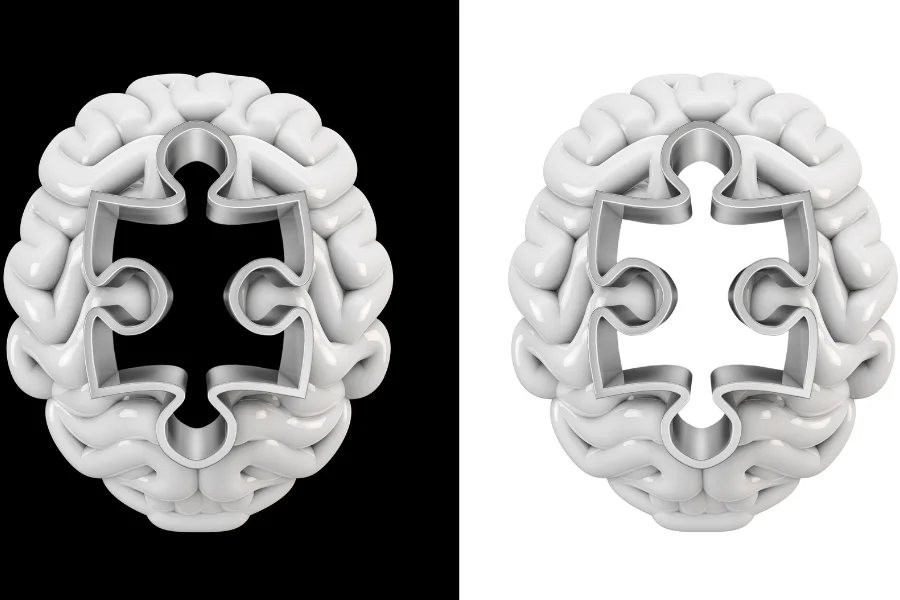
    Brain with holes depicting psychedelic myth that it causes brain holes

    There’s a widespread belief that psychedelics have the potential to create holes in the brain or “fry” it. You probably saw those brain-imaging pictures depicting what appear to be significant holes in the brain after using psychedelics, well they’re nothing but a “War on Drugs” propaganda.

    5. Everyone Has the Same Experience

    This is yet another common misconception if your tripping buddy undergoes an ego death or has a bad trip it doesn’t mean that you’ll have the same experience. Even when you take the exact same dose, each person’s psychedelic journey will be completely different.

    6. Psychedelics Can Be Fatal

    Among all types of medicine and drugs, psychedelics are one of the safest compounds that ever existed. In fact, fatalities linked to psychedelics pale in comparison to those resulting from tobacco, alcohol, drugs like opioids and stimulants, and even prescription medications.

    Believe it or not, you are more likely to die from a lightning strike than from taking any psychedelics. This is because psychedelics, especially entheogens and natural substances, have no known long-term physical side effects and do not harm any of the body’s organs.

    7. They Will Always Make You Hallucinate
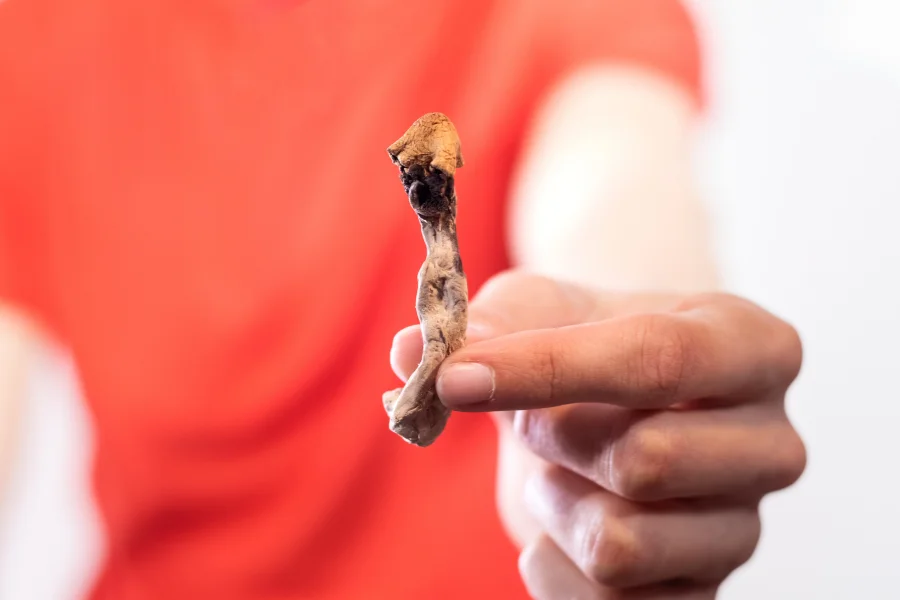
    Hand holding a mushroom

    Taking psychedelics doesn’t always end up in vivid hallucinations and changes in cognition, it all depends on the dosage. There’s a new trend known as Microdosing, and according to online forums, people report a variety of benefits from this procedure.

    Essentially it’s a practice of taking minuscule, sub-perceptual doses of psychedelics with an aim to improve creativity, enhance mood, and improve overall well-being.

    If you want to learn more about microdosing visit MamaDose and get informed!

    The Plant Medicine Path

    Embark on the rejuvenating journey of Plant Medicine and experience healing like never before! At the Plant Medicine Path, we believe in the power of nature to transform lives. Join a vibrant community of like-minded individuals seeking the benefits of plant medicines and their therapies. With our unwavering commitment to providing the best resources and support, you can be sure that your physical, mental, and emotional health will be in good hands.

    Sharing is Caring:
  • Psychedelic Advocacy: Celebrities Who Use Psychedelics

    Psychedelic Advocacy: Celebrities Who Use Psychedelics

    Psychedelic Advocacy: Celebrities Who Use Psychedelics

    Table of Contents

    Despite the legal restrictions surrounding psychedelics, which prohibit their possession, sale, export, and consumption in many parts of the world, they are experiencing a notable resurgence in mainstream culture. With this rise in popularity, there is a gradual shift in public opinion, including that of authorities and officials. Although psychedelics have long been stigmatized due to propaganda-style campaigns led by the US government, prominent social figures and celebrities are now openly endorsing psychedelics and their use.

    Influential people ranging from top entrepreneurs in Wall Street and Silicon Valley to Hollywood actors, notable politicians, and others are lending their support to the medicalization of psychedelic therapy. The openness of these celebrities about their psychedelic use has had a powerful impact on public perception. In a society where celebrities are often looked up to and revered, their endorsement of psychedelics carries weight. It has led to a growing acceptance of these substances as a potential tool for personal growth and healing.

    5 Famous Figures and Psychedelic

    In recent years, many well-known people have publicly revealed their experiences with psychedelics, shedding light on how powerful these substances can be for personal growth and healing. These well-known personalities have helped to dispel myths about psychedelics and challenge social preconceptions. Here are some of the most notable figures:

    1. Steve Jobs

     Steve Jobs talking about use of psychedelics   

    Steve Jobs, the late co-founder of Apple, famously credited his LSD experiences as a major influence on his creative vision and innovative thinking. He referred to his psychedelic experiences as “one of the two or three most important things” he had ever done in his life.

    2. Sting

    Sting- a famous person discussing use of psychedelics

    Musician Sting has spoken openly about his exploration of psychedelics, describing his experiences as profound and transformative. He has credited psychedelics with expanding his consciousness and influencing his songwriting process.

    3. Mike Tyson

    Mike Tyson

    Mike Tyson, the former boxing heavyweight champion, confessed that he battled with severe self-criticism during a significant portion of his life, especially during the peak of his career. He credits psilocybin mushrooms for saving his life as he was nearly suicidal. Since his experience with mushrooms, Tyson has become more receptive to other psychedelic substances, including DMT and the venom of poisonous frogs.

    4. Chelsea Handler

    Chelsea Handler microdosing

    Chelsea Handler a famous comedian, openly advocates microdosing. There’s a widespread belief that taking small amounts of psychedelics over consecutive days can enhance creativity and alleviate symptoms of anxiety and depression. However, there’s a lack of concrete scientific evidence supporting the benefits of microdosing. According to her, microdosing is truly transformative.

    5. Miley Cyrus

    Miley Cyrus after using Ayahuasca treatment

    The well-known singer, songwriter, and actress opened up about her transformative journey with ayahuasca, describing how ancient plant medicine was a turning point in her emotional healing process. Reflecting on her experiences, she shared how profound the ayahuasca effects were one she deeply appreciated them. Additionally, she stated that after exploring the depths of her soul, she uncovered what was really behind her perceptions and who she thought she was.

    Celebrities Advocating for Legalization

    As the conversation around psychedelics continues to evolve, many famous personalities are using their platform to actively advocate for their legalization. These celebrities who openly discuss their own experiences with psychedelics are contributing to the growing acceptance of these substances in mainstream society. One such celebrity is Michael Pollan, an acclaimed author and journalist who wrote the groundbreaking book “How to Change Your Mind: What the New Science of Psychedelics Teaches Us About Consciousness, Dying, Addiction, Depression, and Transcendence.” Through his research and personal experiences, Pollan has become a vocal advocate for the potential therapeutic benefits of psychedelics.

    Another celebrity who has been at the forefront of the movement is Amanda Feilding, the founder of the Beckley Foundation. Feilding has been instrumental in promoting research on psychedelic substances and advocating for their use within a controlled and therapeutic context. Her work has gained recognition and support from influential figures in the scientific community. Furthermore, Sting, the former lead vocalist of The Police, has also been an outspoken advocate for the benefits of psychedelics. In interviews, he has discussed how his own experiences with these substances have inspired his creativity and personal growth.

    Through their advocacy, these celebrities are working to change the public perception of psychedelics and challenge the stigma surrounding their use. They believe that by advocating for legalization, more research can be conducted to explore the potential therapeutic benefits of psychedelics for mental health disorders, addiction, and overall well-being.

    Critics and Controversies

    A photo of a person criticizing the use of psychedelics among famous people

    Despite the growing acceptance of psychedelics among famous personalities, there are concerns regarding the potential consequences of this type of advocacy. One of the main criticisms revolves around the influence these celebrities may have on their fans. While some argue that their openness about their experiences can be educational and destigmatizing, others worry about the potential for impressionable individuals to imitate their behaviors without fully understanding the risks involved.

    The legality of psychedelics also remains a contentious issue. Despite some positive research indicating their potential therapeutic benefits, the drugs are classified as Schedule I substances in many countries, including the United States. It is argued that celebrities openly discussing their use could contribute to the erosion of public safety regulations surrounding these substances. The controversies also extend to the potential dangers associated with psychedelic use. Critics argue that the unpredictable nature of mind-altering substances can lead to adverse psychological effects, especially for individuals with underlying mental health conditions. Some fear that celebrities may underestimate or downplay these risks, inadvertently encouraging unsafe consumption.

    Overall, the subject of celebrities and psychedelics continues to provoke heated debates and differing opinions. While some applaud their openness, others remain skeptical, emphasizing the need for responsible discussions and scientific research. The ongoing controversies serve as a reminder that public figures have a significant responsibility when speaking about psychedelics.

    Table of Contents

    The Plant Medicine Path

    Embark on the rejuvenating journey of Plant Medicine and experience healing like never before! At the Plant Medicine Path, we believe in the power of nature to transform lives. Join a vibrant community of like-minded individuals seeking the benefits of plant medicines and their therapies. With our unwavering commitment to providing the best resources and support, you can be sure that your physical, mental, and emotional health will be in good hands.

    Sharing is Caring:
  • Psychedelics in Literature and Art

    Psychedelics in Literature and Art

    Psychedelics in Literature and Art

    Table of Contents

    Table of Contents

    Have you ever wondered how famous psychedelic art has influenced literature throughout history? How have artists harnessed the power of psychedelics to create stunning visual masterpieces? And where can you find psychedelic art prints to immerse yourself in this mesmerizing world?

    Let’s dive into the history of psychedelic art and literature, from its transformative roots to its vibrant contemporary scene. Along the way, we will unveil the influential artists, writers, popular movements, and iconic artworks that have shaped this extraordinary space. 

    Exploring Psychedelic Art

    Throughout the years, numerous iconic psychedelic artworks have emerged, leaving an indelible mark on the art world. These masterpieces have captured the essence of the psychedelic experience, with their vibrant colors, intricate patterns, and mind-bending imagery.

    The journey of psychedelic art is intimately intertwined with various cultural and historical movements. From the counterculture revolution of the 1960s to the spiritual explorations of Eastern philosophy, psychedelic art has evolved alongside these transformative forces, reflecting and shaping the eras in which it emerged.

    By tracing the history of psychedelic art, we gain a deeper understanding of its evolution and the artists who have played pivotal roles in its development. From the groundbreaking works of Stanley Mouse and Alton Kelley during the San Francisco psychedelic scene to the mesmerizing creations of Alex Grey, psychedelic art has continued to push boundaries and challenge artistic conventions.

    Through exploring the transformative journey of psychedelic art, we not only appreciate its historical significance but also gain insights into the profound influence it has had on contemporary art and culture.

    Contemporary Psychedelic Art

    Contemporary psychedelic art has evolved and diversified, embracing a wide range of artistic expressions. From vibrant kaleidoscopic patterns to intricate geometric designs, these artists push the boundaries of imagination and take us on a visual journey like no other.

    Alex Grey


    alex gray psychedelic art

    One of the best contemporary psychedelic artists is Alex Grey. With his iconic style and visionary themes, Grey has captivated audiences with his transcendent and mystical artwork. His intricate anatomical details and vibrant color palette create a truly mesmerizing experience.

    Amanda Sage

    Amanda Sage art

    Amanda Sage is another prominent figure in the contemporary psychedelic art scene. Her works combine visionary elements with surreal landscapes, captivating viewers with their dreamlike quality. Sage’s ethereal and otherworldly creations leave a lasting impression

    Android Jones

    Android Jones art

    Another artist worth mentioning is Android Jones. With his digital mastery, Jones creates mind-bending and out-of-this-world imagery. His psychedelic digital art transports viewers to alternate realities where technology and spirituality intersect.

    These are just a few examples of the best psychedelic artists working today. Each artist brings their unique interpretation to the genre, infusing it with their personal visions and experiences. Through their art, they invite us to explore the depths of our consciousness, challenging our perceptions and expanding our understanding of reality.

    Contemporary psychedelic art is not only confined to canvas and galleries. It has found its way into various forms, including murals, installations, and digital media. This dynamic and ever-evolving art form continues to inspire and push boundaries, captivating audiences around the world.

    Authors Using Psychedelics

    In the world of literature, there is a fascinating connection between authors and psychedelic experiences. Many renowned writers have openly embraced psychedelics, incorporating their transformative encounters into their works of art. These writers draw inspiration from their personal journeys, shaping their storytelling styles and exploring thought-provoking themes in their books.

    One example of an author who has openly used psychedelics is Aldous Huxley, known for his masterpiece “Brave New World.” Huxley’s experiments with mescaline heavily influenced his writing, leading to the creation of vivid and surreal worlds within his novels. His exploration of altered states of consciousness and the impact of technology on humanity’s future was greatly informed by his psychedelic experiences.

    Another prominent author who has incorporated psychedelic experiences into his writing is Ken Kesey. Kesey’s renowned novel “One Flew Over the Cuckoo’s Nest” features powerful themes of rebellion, freedom, and the exploration of one’s inner self. His own psychedelic journeys and participation in the counterculture movement profoundly influenced the captivating narrative and eccentric characters within the book.

    grandmother ayahuasca psychedelics in literatureView on Amazon

    Psychedelic Themes in Fiction

    Psychedelic themes have long been a captivating element in fiction literature, adding a unique and mesmerizing dimension to the storytelling experience. Authors have skillfully incorporated psychedelic symbolism, settings, and characters in their novels, creating narratives that delve into the depths of altered states of consciousness. These literary works on psychedelics have not only entertained readers but also served as a potent medium for exploring profound existential questions and unraveling the mysteries of the human psyche.

    The use of psychedelic symbolism in novels allows authors to convey mind-bending experiences and transcendental realities that traditional storytelling may struggle to capture. Through vivid and imaginative descriptions, authors transport readers to vibrant and otherworldly landscapes, where reality and fantasy coexist in a delicate dance. These psychedelic themes often serve as metaphors for deeper philosophical, spiritual, or psychological exploration, providing readers with a rich tapestry of symbolism to decipher and interpret.

    One example of a literary work that embraces psychedelic themes is Aldous Huxley’s iconic novel, “Brave New World.” Huxley masterfully integrates the concept of “soma,” a government-controlled hallucinogenic substance, to explore the fine line between happiness and societal control. This psychedelic symbolism serves as a vehicle for examining themes of individuality, freedom, and the potential dangers of a technocratic society.

    Final Thoughts

    In tracing the intertwining paths of psychedelic art and literature, we’re led into a realm where creativity and consciousness intersect. This journey takes us through decades of cultural evolution, where artists and writers have drawn inspiration from altered states of perception to craft mesmerizing works that challenge norms and expand horizons.

    In the end, the legacy of psychedelic art and literature is one of exploration, transformation, and boundless creativity. It reminds us of the infinite potential of the human mind and the power of artistic expression to transcend boundaries and connect us to deeper truths. As we immerse ourselves in this mesmerizing world, we are invited to embrace the unknown, expand our perceptions, and awaken to the beauty of the universe within and around us.

    The Plant Medicine Path

    Embark on the rejuvenating journey of Plant Medicine and experience healing like never before! At the Plant Medicine Path, we believe in the power of nature to transform lives. Join a vibrant community of like-minded individuals seeking the benefits of plant medicines and their therapies. With our unwavering commitment to providing the best resources and support, you can be sure that your physical, mental, and emotional health will be in good hands.

    Sharing is Caring:
  • The Essential Guide to Psychedelic Healing Books

    The Essential Guide to Psychedelic Healing Books

    The Essential Guide to Psychedelic Healing Books

    Table of Contents

    Table of Contents

    Are you ready to embark on a transformative journey of self-discovery and mental well-being? Have you ever wondered how therapeutic psychedelics can enhance your life and provide insights into the mysteries of the mind? Look no further!

    In this comprehensive guide, we will explore the world of psychedelic healing books, uncovering the top resources to guide you on this path of exploration. These books will take you on an insightful journey, unlocking the potential of psychedelics and their impact on mental health.

    Exploring the Best Psychedelic Healing Books

    We will introduce you to the top books on psychedelic healing. The literature available on psychedelic therapy provides valuable insights into its potential for transformation. Here are our top 10 picks of must-read psychedelic healing books.

    1. Psychedelic Medicine: The Healing Powers of LSD, MDMA, Psilocybin, and Ayahuasca

    Clinical psychologist Dr. Richard Louis Miller wrote this inspirational book which is a groundbreaking exploration of the potential therapeutic benefits of psychedelics. The book explores the intricate intersections of politics, science, and psychedelics, shedding light on the tumultuous history of psychedelic research and its recent revival. Featuring insights from renowned figures such as Rick Doblin, Stanislav Grof, James Fadiman, Julie Holland, and others, the book provides non-technical summaries of the latest double-blind, placebo-controlled studies involving MDMA, psilocybin, LSD, and ayahuasca.

    Dr. Miller and his contributors navigate the complex landscape of psychedelic medicine, discussing the biochemistry of consciousness, the use of psychedelics for self-discovery and healing, and their potential in treating conditions like PTSD. The exploration extends to indigenous practices, such as Dr. Charles Grob’s research on the therapeutic properties of ayahuasca, and the attempt to integrate plant medicine into clinical settings. The book also critically examines the pharmaceutical industry’s overmedication tendencies, the links between psychiatric drugs and mental illness, and the evolving political climate that may pave the way for a renaissance in psychedelic medicine research worldwide. Offering hope for an end to the War on Drugs, “Psychedelic Medicine” emerges as a must-read for those seeking a comprehensive understanding of the current landscape and future potential of psychedelic healing.

    psychedelic medicine e book

    2. LSD Psychotherapy (4th Edition): The Healing Potential of Psychedelic Medicine

    Dr Stanislav Grof is indeed one of the most important people in the psychedelic space. In his book, Dr Grof offers a thorough overview of a crucial phase in the exploration of our transpersonal essence and origins. The book traces the remarkable journey of LSD research, highlighting its early promise and subsequent suppression due to sensationalism and legislative measures in the late 1960s. Grof’s work stands as a crucial record, offering an objective overview that had been distorted or suppressed during a period of over three decades of scientific medical study.

    Beyond its scholarly contributions, “LSD Psychotherapy” also offers a visual feast with numerous color drawings and paintings created by research participants. These vivid depictions of archetypal images from the collective human consciousness enhance the text, providing a powerful visual dimension to the exploration of psychedelic experiences. A valuable resource for anyone engaged with LSD, including parents, teachers, researchers, legislators, or students of the human psyche, this book not only informs but also inspires a healing approach rooted in the eternal human desire for wholeness and a profound understanding of reality.

    lsd psychotherapy book

    3. Psychedelics and Psychotherapy: The Healing Potential of Expanded States

    Through a comprehensive lens, the book explores topics ranging from underground psychedelic psychotherapy to harm reduction strategies and innovative approaches for addressing individual and collective trauma. It confronts challenging psychedelic experiences and emphasizes the important role of the therapeutic relationship in guiding transformative journeys.

    This insightful exploration extends to various modalities, including the use of cannabis as a psychedelic tool, spiritual inquiry with LSD, microdosing with Iboga, and MDMA-assisted psychotherapy for PTSD. The contributors, comprising veterans and emerging voices in the psychedelic research and clinical realms, share practical wisdom and profound insights gleaned from their experiences. They illuminate the nuanced process of opening and healing, offering fresh perspectives on individual inner work, ancestral trauma healing, and the integration of expanded states through practices like holotropic breathwork. From the ethical considerations of psychedelic therapy to the cultivation of professional competence and the training of future therapists, this book is a must-read for anyone serious about psychedelics and their healing powers.

    psychedelics & psychotherapy

    4. Psychedelic Psychotherapy: A User Friendly Guide to Psychedelic Drug-Assisted Psychotherapy

    This is a perfect book, tailored for therapists and individuals seeking practical guidance in the realm of psychedelic-assisted psychotherapy. Written with clarity and insight, this book serves as a valuable tool for both practitioners and those using psychedelics for personal healing, particularly focusing on MDMA, LSD, and psilocybin.

    The content is designed to provide insider information, offering valuable insights into the healing potential of psychedelics and how to facilitate sessions with a specific focus on trauma recovery. The book acts as a user-friendly manual, offering step-by-step guidance on navigating the intricacies of the psychedelically-enhanced healing process safely and effectively.

    psychedelics psychotherapy

    5. Healing Our Deepest Wounds: The Holotropic Paradigm Shift

    This is yet another great piece from Dr Stanislav Grof. The book is focused on the profound insights and consciousness research of Dr Grof spanning five decades. Dr Grof’s pioneering work has illuminated the roots of trauma, uncovering that the most profound wounds often trace back to birth experiences or unresolved events in human history that linger in the collective unconscious. Traditional therapeutic methods and tranquilizing medications, focusing solely on personal biographies, fall short in accessing and healing these deep-seated wounds within the human psyche.

    In a broader context, Dr. Grof scrutinizes societal issues like violence and greed, attributing a significant portion of widespread fear and aggression to the unconscious manifestation of unresolved historical traumas from the collective unconscious. Despite the gravity of these observations, the book carries a hopeful message. The book outlines various methods to induce the Holotropic state, with a primary focus on Holotropic Breathwork and psychedelic therapy.

    psychedelic book written by stanislav grof

    6. Exile & Ecstasy: Growing Up with Ram Dass and Coming of Age in the Jewish Psychedelic Underground

    The book follows a journalist Madison Margolin’s unique journey within the intersections of the Ram Dass community, the cannabis legalization movement, and New York’s Jewish counterculture. Margolin, who grew up amidst “HinJews,” provides a deeply personal perspective on her experience. Madison Margolin skillfully bridges the disparate worlds of Judaism and psychedelia, infusing her narrative with expert reportage. By examining the relevance and utility of “Be Here Now” in a new generation facing distinct challenges, she explores solutions for our modern lack of presence.

    “Exile & Ecstasy” is a compelling read for anyone seeking spiritual kindling, desiring reconciliation with their origins, and grappling with the convergence of spirituality and psychedelics within the context of traditional religion. Margolin’s narrative not only provides insight into her personal journey but also serves as a guide for those navigating the intricate and often overlooked intersections of faith.

    exile and ecstasy psychedelic book

    7. The Healing Journey (2nd Edition): Pioneering Approaches to Psychedelic Therapy

    In “The Healing Journey (2nd Edition): Pioneering Approaches to Psychedelic Therapy,” Claudio Naranjo provides a profound exploration of the spiritual and psychotherapeutic dimensions of amphetamine derivatives such as MDA and MMDA, harmaline (the active component in Syrian rue and Banisteriopsis caapi vines), and ibogaine. Diverging from classical psychedelics like LSD and psilocybin.

    The book sheds light on the potential for healing and transformation when using these substances. By categorizing them as emotion-enhancers and fantasy-enhancers, Naranjo offers a nuanced perspective on their effects, emphasizing their distinct impact on emotional experiences and imaginative realms. This pioneering work contributes to the evolving field of psychedelic therapy, expanding the conversation beyond traditional psychedelics and paving the way for a deeper understanding of the diverse therapeutic potentials within the realm of psychoactive substances.

    the healing journey

    8. Grandmother Ayahuasca: Plant Medicine and the Psychedelic Brain

    Christian Funder presents a comprehensive exploration of the revered Amazonian hallucinogenic tea, brewed from Psychotria viridis leaves and Banisteriopsis caapi vine stalks. Known as ayahuasca, this sacred plant medicine has been utilized for centuries by indigenous tribes in the upper Amazon. The author unravels the intricate relationship between ayahuasca and Amazonian shamanism, particularly focusing on the Shipibo tribe. Through interviews with individuals who have undergone transformative experiences with ayahuasca, Funder shares firsthand accounts of its potent “spirit doctor” effects. Additionally, he courageously recounts his own healing journey from the depths of suicidal depression to a state of inner peace, highlighting the transformative potential of Grandmother Ayahuasca.

    Taking a neuroscientific perspective, Funder explores recent research on DMT, a key psychoactive compound in ayahuasca, and fMRI studies measuring brain activity during altered states. He connects these findings with ancient esoteric texts discussing unified states of consciousness and Aldous Huxley’s theory on psychedelics inhibiting the brain’s “reducing valve” mechanism. Funder contends that ayahuasca holds immense therapeutic potential and may serve as a profound shamanic link to the sacred Gaian mind, openly inviting anyone to explore the depths of this ancient and transformative experience within his book.

    grandmother ayahuasca book

    9. Don Miguel Ruiz Toltec Wisdom Series Collection 3 Books Set,(The Four Agreements: Practical Guide to Personal Freedom, The Mastery of Love and The Fifth Agreement)

    This is a compelling trio of transformative books by the bestselling author Don Miguel Ruiz. In “The Four Agreements: A Practical Guide to Personal Freedom,” Ruiz draws on ancient Toltec wisdom to unveil the roots of self-limiting beliefs, providing readers with a powerful code of conduct. This code, encapsulated in the Four Agreements, serves as a transformative guide, enabling individuals to break free from constraints and embark on a journey toward personal freedom, genuine happiness, and love.

    Moving on to “The Mastery of Love: A Practical Guide to the Art of Relationship,” Ruiz navigates the complex landscape of relationships, exposing fear-based beliefs that undermine love and lead to unnecessary suffering. Through insightful stories, he illuminates the path to healing emotional wounds, rediscovering the freedom and joy inherent in our existence, and rekindling the spirit of playfulness vital for nurturing loving relationships.

    Lastly, The collection concludes with “The Voice of Knowledge: A Practical Guide to Inner Peace,” wherein Ruiz reminds readers of a profound truth – the key to ending emotional suffering and restoring joy lies in dispelling lies, particularly those we tell ourselves. Rooted in ancient Toltec wisdom, this transformative book offers a roadmap for rediscovering faith in truth and reconnecting with our inherent common sense. We highly encourage you to check this book out.

    3 psychedelic books

    10. The Bhagavad Gita, 2nd Edition

    This piece stands as the most renowned among Indian scriptures, and Easwaran’s bestselling translation offers a reliable, readable, and profound insight into its teachings. Easwaran’s upbringing in the Hindu tradition in India, coupled with his early learning of Sanskrit, adds a unique depth to his translation. His background as a professor of English literature and expertise in the Indian classics and world mysticism further solidified his authority on the subject.

    The Bhagavad Gita unfolds dramatically on a battlefield, where the warrior Arjuna turns to his spiritual guide, Sri Krishna, seeking answers to life’s fundamental questions. However, as Easwaran highlights, the Gita transcends its apparent context, focusing not on a mythical dialogue but on the internal struggle for self-mastery that every human faces. Arjuna’s battle becomes a metaphor for the war within, symbolizing the quest for victory in life’s challenges. Throughout the book, Easwaran illustrates the relevance of the Bhagavad Gita to contemporary life, portraying it as a guide for individuals striving, much like Arjuna, to discern and follow the path of righteousness.

    the bhagavad gita book
    The Plant Medicine Path

    Embark on the rejuvenating journey of Plant Medicine and experience healing like never before! At the Plant Medicine Path, we believe in the power of nature to transform lives. Join a vibrant community of like-minded individuals seeking the benefits of plant medicines and their therapies. With our unwavering commitment to providing the best resources and support, you can be sure that your physical, mental, and emotional health will be in good hands.

    Sharing is Caring:
  • Breaking Down the Stigma of Psychedelics

    Breaking Down the Stigma of Psychedelics

    Breaking Down the Stigma of Psychedelics

    Table of Contents

    Table of Contents

    The interaction between society and psychedelics has a complicated and long history. In the 1960s, they represented peace, love, and freedom. However, due to social and cultural issues, the government and media stigmatized them, resulting in their classification as Schedule I drugs. Luckily, supporting the use of psychedelics, especially for medicinal purposes, is no longer as stigmatized as it once was.

    Recent research, coupled with FDA approval and expedited processes, indicates that psychedelics, among others, can be valuable in therapeutic contexts for treating mental health conditions such as depression, anxiety, and PTSD. Consequently, policies are evolving to facilitate legal access for research and medical purposes, simultaneously altering the public narrative and diminishing the stigma associated with these substances.

    History Behind the Psychedelic Stigma

    President Nixon’s drug war was important in classifying psychedelic medicine as Schedule 1 drugs, the most restricted and controlled category under the US Controlled Substances Act of 1970. This designation, which was replicated globally, significantly hampered ongoing research into the therapeutic potential of psychedelic medications for mental health therapy.

    In pursuit of the drug war, President Nixon imposed harsher penalties for drug crimes, including mandatory prison sentences and a considerable increase in government financing for drug-control agencies tasked with combatting drug trafficking and usage in the United States. As part of this effort, Nixon established the Drug Enforcement Agency (DEA) in 1973 as a specialized task force charged with combating illegal drug consumption, entrance, and sale within the country. Initially, the DEA had less than 3,000 agents and a $65 million budget. Today, it has approximately 10,000 agents and a budget of more than $3 billion.

    Despite a current renaissance in psychedelic medicine research offering hope to those with mental health conditions, the negative media portrayal of hallucinogens, coupled with the enduring war on drugs and opposition from medical professionals, has tarnished the reputation of psychedelics. Presently, substances like psilocybin and MDMA have regained attention for their potential in treating mental illness, obtaining breakthrough status as therapies for various brain-related disorders.

    While this marks a positive shift in mental health care, research into these medicines and their perceived benefits continues to face challenges due to misinformation, fear, and stigma, hindering the progress of psychedelic-assisted therapy into mainstream mental health treatment.

    fingers holding a text card saying "fda approve" symbolizing psychedelic stigma

    Is There a Future For Psychedelics

    Despite federal restrictions, certain states and municipalities have recently enacted laws either decriminalizing or legalizing recreational psychedelic mushroom use. This mirrors the trends seen in the legalization efforts of recreational marijuana, starting with Colorado and Washington in 2012. While 21 states have legalized recreational marijuana, it remains a Schedule I substance federally, suggesting that a shift in the federal stance on psilocybin legalization is unlikely in the near future.

    However, despite barriers to psilocybin decriminalization and legalization, the U.S. Food and Drug Administration (FDA) has approved clinical trials exploring psilocybin’s potential in treating anxiety, depression, post-traumatic stress disorder, and other health issues. These trials serve as a crucial preliminary step for pharmaceutical manufacturers seeking FDA approval for new drug therapies. With significant investments from the pharmaceutical industry in psilocybin research and a surge in state and local legislation, the industry is thriving despite psilocybin’s Schedule I status.

    Media Can Help Fight the Stigma

    Michael Pollan, originally known for his exploration of the socio-cultural aspects of food, underwent a shift in focus in 2018 with the release of his book, “How to Change Your Mind.” This book sparked conversations about psychedelic drugs and their possible impact, which inspired a Netflix series of the same name.

    It’s important to note that influential podcasts with expansive audiences, such as The Joe Rogan Experience and The Tim Ferris Show, have featured leading experts in psychedelics and psychedelic medicine. Additionally, our podcast, “Medicine With the Medals,” hosted by Mark and Michele, consistently delivers engaging discussions, experiences, and excellent guests. Through these constructive conversations, which often include personal experiences, these podcasts have played a significant role in advancing discussions around the therapeutic potential of psychedelics. This collective effort is instrumental in pushing the conversation on psychedelic medicine into broader public awareness.

    Why Is Psychedelic Advocacy Important

    Advocacy is a collaborative work, not a solitary pursuit. Individuals such as advocates, researchers, therapists, and those with lived experiences, as well as organizations, come together to share their knowledge, expertise, and resources. This collaboration is critical for amplifying voices, strengthening advocacy activities, and presenting a unified front for real change. Building bridges and fostering connections allows advocates to broaden their reach, increase their reputation, and have a substantial impact on society.

    Psychedelic advocacy acts as a catalyst for change, removing stigma, influencing policy changes, encouraging harm reduction, and destigmatizing mental health. Through the dedicated efforts of passionate advocates, there is a noticeable shift in societal attitudes towards psychedelics. This transformation is opening doors for further research, therapeutic applications, and positive societal change.

    The destigmatization of mental health is intricately linked to advocacy efforts for psychedelics. Advocates are actively working to challenge the societal perception that mental health challenges should be shrouded in shame. By emphasizing the potential of psychedelic-assisted therapies to address conditions like depression, anxiety, PTSD, and addiction, these advocates aim to shift the narrative. They illuminate the healing capabilities of these substances, showcasing how they can work alongside traditional methods and provide fresh opportunities for personal growth and transformation.

    a person talking into the megaphone breaking down the stigma of psychedelics

    Final Word

    The urgent need to address the rapidly expanding mental health crisis is clear, and the moment to act is now. History has demonstrated that stigma and shame can have a negative impact on people with mental illnesses, limiting their access to appropriate treatment choices. The ongoing drug war and the persistent propagation of disinformation about psychedelics have undoubtedly slowed progress in the development of psychedelic-assisted therapy.

    However, there is hope. Recognizing that stigma is often caused by negative perceptions, the most effective technique for reducing stigma is early intervention and education. By proactively addressing myths and giving factual information, we may lay the groundwork for a more helpful and informed response to mental health challenges.

    The Plant Medicine Path

    Embark on the rejuvenating journey of Plant Medicine and experience healing like never before! At the Plant Medicine Path, we believe in the power of nature to transform lives. Join a vibrant community of like-minded individuals seeking the benefits of plant medicines and their therapies. With our unwavering commitment to providing the best resources and support, you can be sure that your physical, mental, and emotional health will be in good hands.

    Sharing is Caring:
  • Can Psychedelics Actually Help With IBS?

    Can Psychedelics Actually Help With IBS?

    Can Psychedelics Actually
    Help With IBS?

    Table of Contents

    Table of Contents

    Ever felt like your stomach playing the drums like it’s headlining a rock concert? Well, you might be dealing with the infamous digestive system disruptor called IBS, causing mayhem in the daily lives of many. However, luckily research indicates that the use of psilocybin for IBS relief may be effective, as some reports claim great success with this alternative treatment option..

    By understanding the mechanisms through which psilocybin interacts with the gut-brain axis, we can better comprehend its impact on symptom management and overall well-being. Let’s take a better look at the miraculous powers of plant medicine.

    Key Takeaways

    • Psilocybin shows potential in relieving symptoms of Irritable Bowel Syndrome (IBS).

    • The gut-brain axis plays a crucial role in digestive disorders like IBS.

    • Psilocybin may affect the gut-brain axis, leading to symptom relief.

    • Understanding how psilocybin works can give light on its potential therapeutic benefits for IBS.

    What Is Irritable Bowel Syndrome (IBS)

    Irritable Bowel Syndrome (IBS) is a common digestive disorder that affects millions of people worldwide. It is characterized by a combination of symptoms that can vary from person to person, making it a complex condition to understand and manage.

    People with IBS often experience a range of symptoms, including abdominal pain, bloating, gas, diarrhea, and constipation. These symptoms can significantly impact their quality of life, causing discomfort, distress, and disruption to daily activities.

    IBS is thought to be a functional disorder, which indicates that there are no structural abnormalities in the digestive tract. Instead, it is likely to be caused by a mix of variables such as altered gastrointestinal motility, increased pain sensitivity, changes in gut flora, and gut-brain axis disturbances.

    a person suffering from IBS before taking psychedelic medicine

    Common Symptoms of Irritable Bowel Syndrome (IBS)

    • Abdominal pain or cramping,

    • Bloating and excessive gas,

    • Diarrhea or constipation, or a combination of both,

    • Changes in bowel habits,

    • Incomplete bowel movements,

    • Mucus in the stool,

    • Food intolerances,

    • Fatigue and sleep disturbances.

    How Can Psilocybin Help With IBS

    In recent years, the world of medical research has taken a turn towards psychedelics, with growing curiosity about the potential therapeutic benefits of psychedelics for individuals affected with Irritable Bowel Syndrome (IBS). According to online sources, research have shown that it has a positive impact on symptom management and general well-being in IBS patients. Psilocybin, a naturally occurring substance found in some types of mushrooms, has shown promise as an alternate treatment for this intestinal problem.

    What’s Psilocybin’s secret weapon, you ask? Well, it seems that psilocybin’s potential to stimulate neuroplasticity, or the brain’s ability to remodel and make new connections, may contribute to its therapeutic effects on IBS. Psilocybin, by promoting the reorganization of brain networks involved in pain perception and emotion regulation, may help reduce the increased sensitivity to pain and stress that IBS patients frequently suffer.

    Psilocybin mushrooms and ground powder for IBS

    Psilocybin Affects the Stomach Differently

    A recently published study conducted at the University of California, Los Angeles (UCLA) found that psilocybin affects serotonin receptors in the stomach, improving gastrointestinal motility and decreasing inflammation. These findings indicate that the chemical directly impacts the physiological processes involved in IBS, alleviating symptoms such as diarrhea, constipation, and cramps.

    And here’s where it gets really interesting – Psilocybin’s action on the gut-brain axis appears to be an essential factor in its efficacy for IBS treatment. The gut-brain axis is a complex communication network that connects the gut and the brain. It regulates digestive functions and influences emotions and cognition.

    What’s the Gut-Brain Axis

    The gut-brain axis is a bidirectional communication pathway that connects the gastrointestinal tract to the central nervous system, revealing the delicate interplay between these important organs. This complicated network of neurological, hormonal, and immunological channels promotes constant communication and mutual influence on each other’s functions.

    Gut health plays an important role in overall well-being, and disruptions in the gut-brain axis have been linked to a variety of mental health issues, including depression, anxiety, and stress-related illnesses. In contrast, psychological variables like stress and emotions can have an impact on gut health and contribute to gastrointestinal problems.

    A recent study has revealed the role of the gut bacteria in this axis. The gut microbiota is made up of trillions of microorganisms that live in the gastrointestinal system and aid in digestion, immunological function, and the integrity of the gut barrier.

    The gut microbiota has been shown to produce neurotransmitters, neuroactive metabolites, and hormones that can have an impact on brain function either directly or indirectly, demonstrating the tight link between intestinal health and mental well-being.

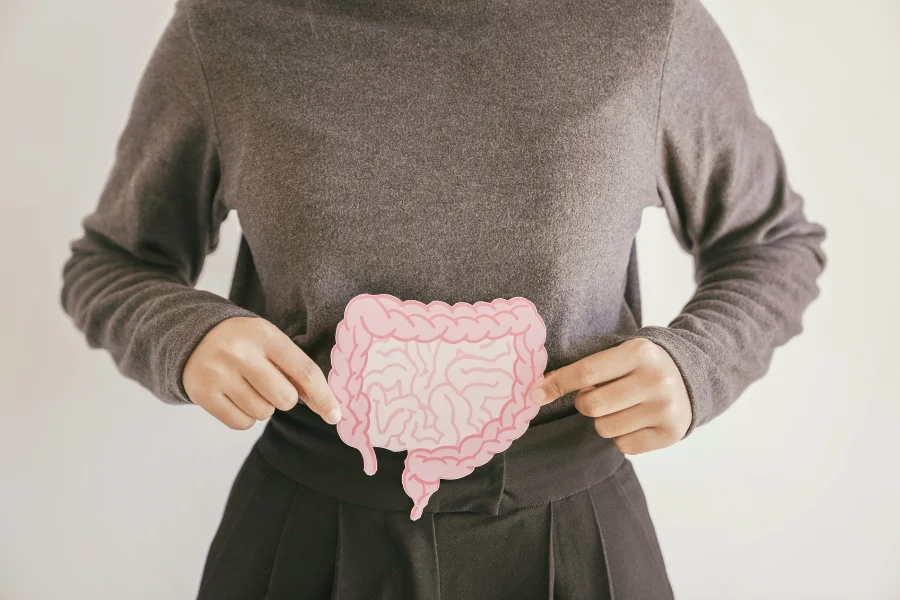
    a person holding a drawing of a gut symbolizing successful psychedelic treatment for IBS

    How Psilocybin Impacts the Gut-Brain Axis

    Psilocybin has sparked interest in its possible therapeutic effects on the gut-brain axis, notably for Irritable Bowel Syndrome (IBS) treatment. Understanding the processes by which psilocybin interacts with this complex interaction can offer insights into its potential as a therapeutic alternative.

    Serotonin

    One key mechanism by which psilocybin impacts the gut-brain axis is through its interaction with serotonin receptors in the brain. Serotonin, known as the “feel-good” neurotransmitter, plays a crucial role in regulating mood, appetite, and gastrointestinal function.

    By targeting serotonin receptors, psilocybin may regulate bowel movements, reduce inflammation, and alleviate pain associated with IBS, offering potential relief for individuals struggling with the condition.

    Neuroplasticity

    Neuroplasticity, the brain’s ability to reorganize and form new neural connections, also plays a significant role in the impact of psilocybin on the gut-brain axis. Studies have shown that psilocybin can enhance neuroplasticity, potentially leading to positive changes in brain structure and function.

    The Cascade Effect

    Psilocybin’s impact on the gut-brain axis extends beyond serotonin receptors and neuroplasticity. Researchers speculate that psilocybin’s influence on inflammatory pathways, immune function, and stress response systems may also contribute to the promising effects observed in IBS relief. By modulating various biological processes within the gut-brain axis, psilocybin may help restore balance and improve the overall well-being of individuals with IBS.

    Potential Risks and Limitations

    Psilocybin, like any other therapeutic substance, carries potential risks. It is important to be aware of these risks and proceed with caution:

    • Psychological effects. Psilocybin can induce altered states of consciousness and hallucinations, which may not be suitable for everyone.

    • Personal reactions. Each individual may have a unique response to psilocybin

    • Medication interactions. Psilocybin may interact with certain medications, including antidepressants and anti-anxiety medications.

    • Not a standalone treatment. Psilocybin should not be considered as a standalone treatment for IBS. It is best used as part of a comprehensive treatment approach that includes lifestyle changes, dietary modifications, and other evidence-based therapies.

    The Final Word

    Through our analysis, it becomes clear that psilocybin holds significant potential as a promising avenue for providing relief to individuals suffering from Irritable Bowel Syndrome (IBS). The intricate gut-brain relationship plays a crucial role in the development and management of IBS symptoms, and psilocybin may offer a unique approach to address this complex condition.

    Research suggests that psilocybin can positively influence the gut-brain axis, leading to improved symptom management and overall well-being for individuals with IBS. By interacting with serotonin receptors and promoting neuroplasticity, psilocybin may help restore balance and alleviate the distressing symptoms of this digestive disorder.

    Yet, the journey doesn’t end here. While the findings are encouraging, it is important to note that more research is needed to fully understand the potential risks, contraindications, and limitations associated with psilocybin treatment for IBS. However, the existing evidence highlights the importance of further exploration in this area, considering the potential impact on the lives of those affected by IBS. Continued research on psilocybin and its relationship with IBS relief can pave the way for alternative treatment options that may provide hope and improved quality of life for individuals living with this chronic condition.

    The Plant Medicine Path

    Embark on the rejuvenating journey of Plant Medicine and experience healing like never before! At the Plant Medicine Path, we believe in the power of nature to transform lives. Join a vibrant community of like-minded individuals seeking the benefits of plant medicines and their therapies. With our unwavering commitment to providing the best resources and support, you can be sure that your physical, mental, and emotional health will be in good hands.

    Sharing is Caring:
  • How to Find Reliable Plant Medicine Retreats in 2023

    How to Find Reliable Plant Medicine Retreats in 2023

    How to Find Reliable Plant Medicine Retreats in 2023

    Table of Contents

    Table of Contents

    Many people from all over the world venture to South America in search of Ayahuasca ceremonies and plant medicine retreats. Others come across captivating tales of plant medicine while traveling through the continent. Whatever the case this alluring call can sometimes become impossible to resist, as plant medicine retreats offer unique opportunities for personal growth, healing, and self-discovery.

    With the development of new technologies such as the internet, the days of embarking on a long journey deep into the jungle to locate an Ayahuasca shaman are long gone. Nowadays, a simple search for “plant medicine retreats” yields a plethora of choices. However, with the growing popularity of plant medicine, it’s essential to find reliable and reputable retreat centers that prioritize safety, expertise, and ethical practices.

    Attending a plant medicine retreat in South America has the potential to be life-altering, but the location you choose is also detrimental as it will affect your overall experience. The key lies in finding a trusted space with a seasoned shaman who respects both the medicine and the participants. Also, there are some other aspects to consider, so let’s take a better look at how to find a reputable plant medicine retreat in 2023.

    Factors to Consider When Choosing a Plant Medicine Retreat

    Finding a reliable and reputable plant medicine retreat isn’t an easy task and there are multiple factors that should be carefully considered. After all, you want to have the most profound experience at the retreat and not return home disappointed. Here are the key factors to keep in mind when choosing a plant medicine retreat:

    Location

    The location holds different levels of significance for individuals embarking on a plant medicine retreat. While it may not be a top priority for some, it ranks among the most crucial aspects for others. Hence, we firmly believe that it should be acknowledged as a significant factor to consider when selecting a retreat. Contemplate the retreat center’s location and its accessibility, taking into account personal preferences and needs.

    Certain individuals may prefer remote and secluded locations, immersing themselves in the tranquility of nature during their retreat. On the other hand, some may lean towards retreats that are in closer proximity to urban areas, facilitating convenient travel arrangements. Moreover, there are those seeking week-long plant medicine retreats, longing for a setting where they can fully unwind, feel entirely at ease, and gradually integrate the transformative process of the ceremony.

    By taking into account your specific desires and intentions, and carefully considering the location and environment of the retreat center, you can ensure a harmonious and supportive space for your healing journey. Remember, finding the right retreat setting that resonates with you can greatly enhance the overall experience, allowing for profound introspection and a deep connection with the plant medicines.

    Expertise and Qualifications of Facilitators

    It is essential to look into the qualifications and expertise of the retreat facilitators. Look for facilities with competent facilitators who have a thorough understanding of the customs and practices associated with the particular plant medicines being used. Verify their credentials, training, and any recommendations they may have received from reputable organizations.

    What’s Included

    Find out if the retreat offers different price plans and inquire about what is included. It’s important to be cautious of retreats that exclude food or lodging from their offerings. Take the time to compare costs with other plant medicine retreats in South America to gauge the average prices. There are all-inclusive retreats that offer delicious and abundant foods to enjoy while being their guest, and there are retreats that offer only a place to sleep and the ceremony. Looking only at the prices is not a good way to go since the cheaper option may not necessarily be the best one, and the most expensive option won’t guarantee you’ll have the best experience.

    Integration Support and Follow-up

    Integrating the insights and experiences gained during a plant medicine retreat is vital for long-term growth and transformation. Inquire about the integration support you will receive both before and after the retreat. This may include guidance on post-retreat practices, resources for continued support, and opportunities for follow-up consultations or group gatherings.

    The retreat center should either provide a comprehensive welcome package or arrange an orientation call to ensure you receive the necessary information, guidance, and a warm welcome before your participation in the retreat. They should also inquire about any medications you may be taking as well as your mental health history. It’s crucial to be well-cared for throughout the process, and if you are taking medication, make sure to disclose it.

    meditating in plant medicine retreats

    Researching Plant Medicine Retreats

    Once you have identified the factors above, researching a plant medicine retreat is the second most important step. Here are some effective ways to conduct your research:

    Reviews and Testimonials

    When conducting a search for plant medicine retreats you will come across a multitude of options. However, not all of them offer the same level of service. The ceremonies, activities, and overall experiences can vary significantly. Reviews serve as a valuable resource to gauge the authenticity and quality of a plant medicine retreat.

    Read reviews and testimonials from individuals who have attended the retreats you are considering. Look for authentic and detailed accounts that provide insights into the overall experience. Overall reviews will assist in narrowing down your choices and making sure you select the best possible option.

    Online Resources and Directories

    Use online resources and directories that provide comprehensive information on plant medicine retreats. There are a lot of people who write blogs about their experience at plant medicine retreats, as well as those who vlog about it.

    On the other hand, there are websites dedicated to psychedelic and plant medicine communities that often list various retreat centers, their locations, offerings, and reviews from previous participants. Leveraging this information can be helpful in choosing the best plant medicine retreat for you.

    Contacting Retreat Centers Directly

    It is highly recommended to get in touch with the retreat centers directly in order to have in-depth discussions that will help you obtain deeper knowledge. Ask direct and pointed questions about their retreat programs, their safety procedures, the facilitators’ credentials, and any other issues that may be on your mind. You’ll have the chance to learn more about the retreat center’s values, philosophy, and level of support by speaking with them directly.

    plant medicine spirit in the jungle

    The Best Plant Medicine Retreats In 2023

    While there isn’t a foolproof method to determine which plant medicine retreat is the absolute best, as each one offers different services and experiences, there are valuable guidelines to follow in order to make an informed decision. By taking into account the factors we discussed earlier, such as the retreat’s experience and expertise, safety protocols, support before and after the retreat, the inclusion of food and lodging, availability of reviews, and direct communication with retreat centers, you can gather the necessary information to make a well-informed choice.

    In addition to these considerations, utilizing a reliable geo directory can greatly assist you in finding suitable plant medicine retreat options. A geo directory specifically tailored for plant medicine retreats in South America can provide a curated list of retreat centers, their locations, and detailed information about their offerings. This resource can save you time and effort by presenting you with a focused selection of retreats that align with your preferences and requirements.

    Remember, the ultimate goal is to find a plant medicine retreat that resonates with you, respects the sacred traditions of the medicines, and provides a safe and transformative experience. By being thorough in your research, seeking trusted information, and utilizing helpful resources like geo directories, you can embark on a journey that aligns with your intentions and supports your personal growth and healing.

    FIND YOUR PATH, CHANGE YOUR LIFE

    The Plant Medicine Path is a guide, community and resource for psychedelic healing. We offer support and information for every step of the psychedelic journey, from pre-ceremony research and education, through choosing qualified providers, to post-ceremony integration.
    The Plant Medicine Path and Root to Recovery Geo Directory provides one place for education, information, connection and integration.

    Sharing is Caring: