Provider Spotlight | IbogaSoul: Bringing Authentic Iboga Ceremony to the West
Table of Contents
Table of Contents
What We Love: Founders are initiated into the Bwiti tradition of West Africa, Strong emphasis on participant safety and preparedness, in multiple locations in North America
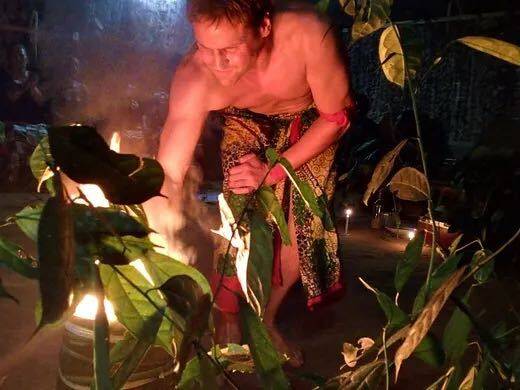
IbogaSoul founders Robyn and Mark met on a flight on their way to Gabon, West Africa, each on their own healing journey. Years later, after both completing intense shamanic training and initiation into the Bwiti tradition, they founded IbogaSoul and embarked on a shared mission to heal.
Iboga As the SOULution
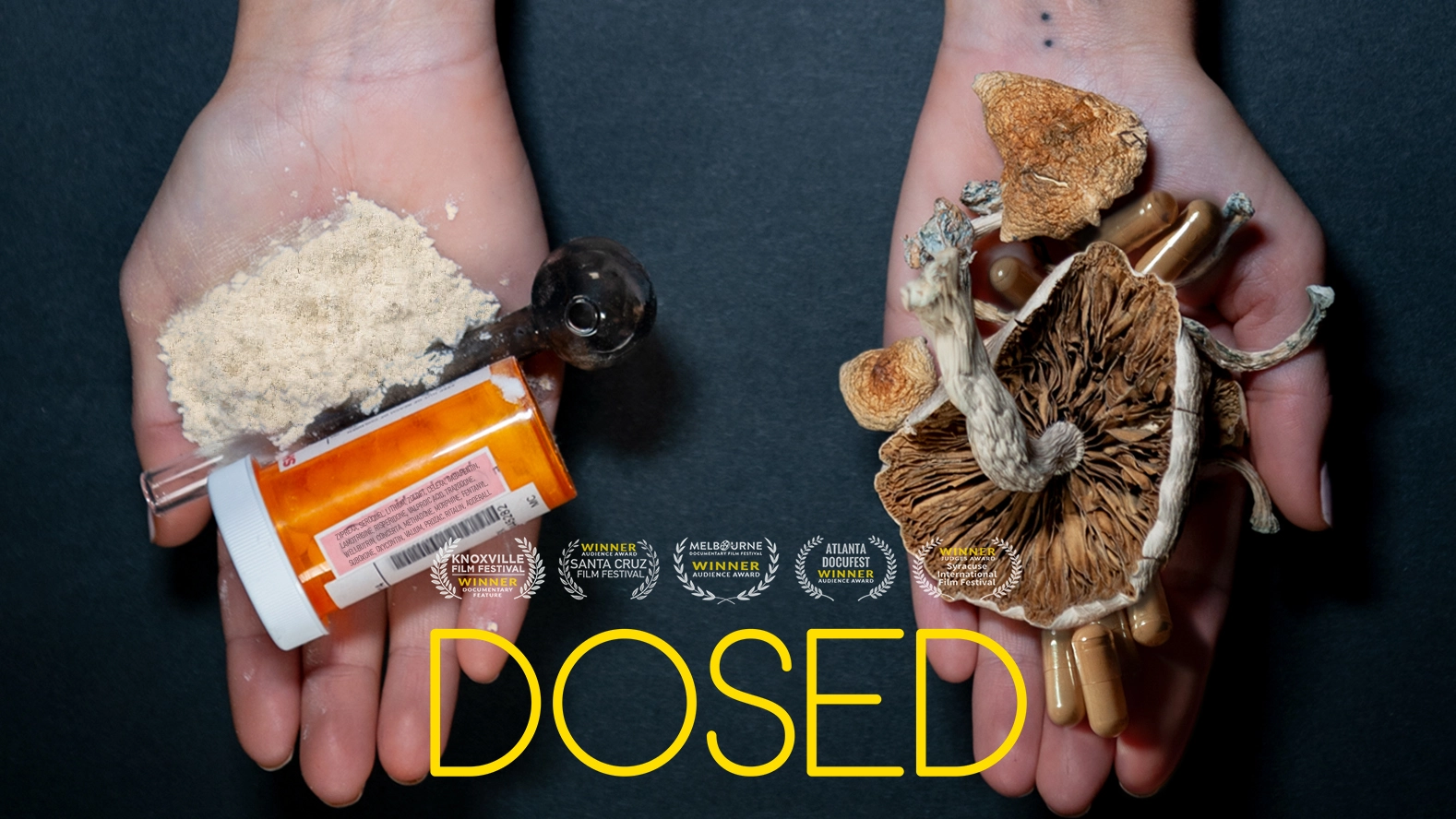
A leading provider of plant medicine in the West, IbogaSoul is the culmination of their personal journeys and professional expertise. They are providers of the sacred root medicine, carriers of the ancient Bwiti tradition, and initiates who have undergone comprehensive training in the safe and effective administration of Iboga. They are experts in the western plant medicine community and have received extensive media coverage as psychedelic healing gains mainstream interest, including being featured in the popular TV series Veracity- the Psychedelic Frontier and the award-winning 2019 documentary DOSED, the story of a young woman’s search for relief from opiate addiction through plant-medicine.
Iboga In the Western World
While Ibogaine, or ibogaine hydrochloride, has gained fame in the Western medical community as an addiction and withdrawal treatment, it is just one separated alkaloid from whole Iboga root bark matter. Iboga medicine used for traditional ceremonial purposes is made from whole root bark, containing the full spectrum of alkaloids naturally found in the plant.
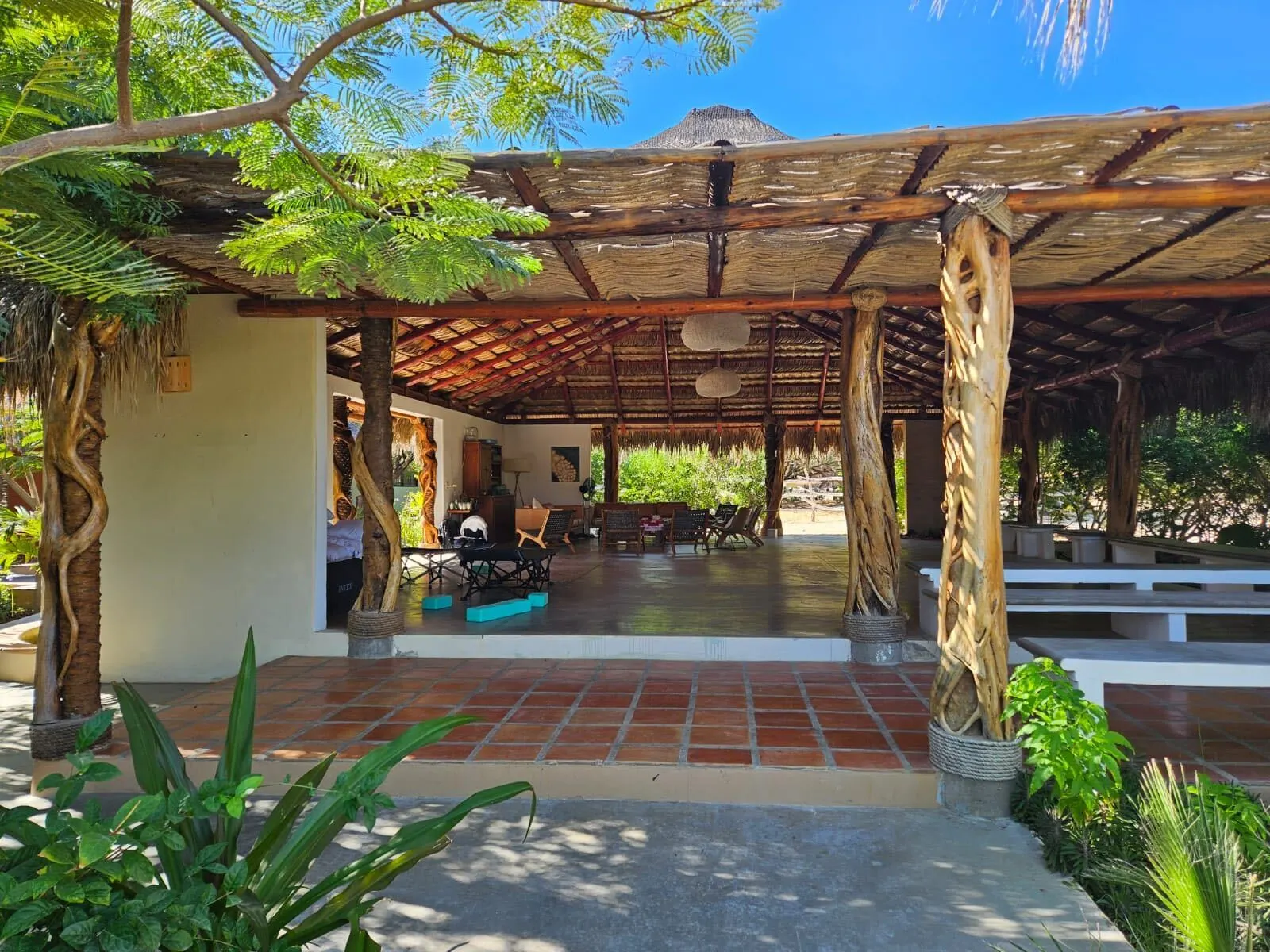
IbogaSoul offers psychospiritual healing through traditional Iboga ceremonies and retreats in multiple North American locations, with retreats currently available in Mexico, Toronto, and British Columbia. Participants in any IbogaSoul retreat receive a personalized preparedness screening and access to post-retreat integration coaching, centering their experience on the whole-life healing central to the Bwiti tradition. Retreats provide guests with on-call medical support, experienced guides and traditionally processed Total Alkaloid Iboga Extract straight from Gabon, Africa.
IbogaSoul remains deeply connected to the communities in Gabon that are the ancestral holders of the Bwiti and Iboga traditions. In 2023, Mark received a second initiation with tribal experts, honing the skill of bringing medicine to the West in a truly beneficial way. As IbogaSoul expands its services to Western audiences, remaining a student of new branches and reputable masters of the medicine tradition make IbogaSoul a leader in integrity and honoring the sacredness of Iboga tradition.
IbogaSoul and Blessings of the Forest
In service of this mission, IbogaSoul supports Blessings of the Forest, a West African-based organization working to preserve and valorize their traditions and honor the sacredness of ancestral knowledge of plant medicine. As the popularity of psychedelic therapies grows and they become more accepted in the West, supporting organizations like Blessings of the Forest that protect the interests and cultural perspectives of traditional knowledge holders becomes more and more essential.
IbogaSoul’s connection to the long tradition of Iboga healing also benefits each and every participant in their ceremonies and retreats. Mark and Robyn facilitate psychospiritual healing for those in search of a variety of benefits and believe Iboga can offer Soul-utions for anyone- whether someone is in recovery from substance use issues, is just a little overwhelmed with life, is on a path of spiritually seeking and wants to learn more, or is a financially abundant CEO who just wants to expand and experience new aspects of themselves.
Iboga can be the beginning of a trajectory of profound healing, and at its most fundamental, IbogaSoul’s mission is to help people. There is more available to us all than the belief systems that might be controlling one’s life, and Iboga offers an opportunity to look deeper into healing than many have experienced before.
Safety and Integration
The dedication to creating a clean and safe space to do this healing puts IbogaSoul apart. Participants get medical screenings, and referrals to ibogaine or detox treatments if necessary, and physical and mental safety protocols are prioritized across all ceremonies. Understanding that the journey begins long before a retreat, and healing must be integrated after, IbogaSoul’s pre-screening and post-integration services hold participants through a full experience.
Robyn is an expert in many post-integration modalities available to all clients. She has an intimate knowledge of the Bwiti study of life and is trained in the ancient art of Dagara ancestral divination as taught by the late Elder Malidoma Somé. Along with her expertise in administering Iboga medicine and ceremony, Robyn is a life and breathwork coach and has developed a unique coaching modality within the Bwiti principles, and provides pre- and post-ceremony coaching, enhancing nervous system and thought-pattern awareness.
If you are ready to deepen your healing and find your own Soul-ution, you can reach out to the IbogaSoul team or book a retreat directly from The Plant Medicine Path site HERE.
Embark on the rejuvenating journey of Plant Medicine and experience healing like never before! At the Plant Medicine Path, we believe in the power of nature to transform lives. Join a vibrant community of like-minded individuals seeking the benefits of plant medicines and their therapies. With our unwavering commitment to providing the best resources and support, you can be sure that your physical, mental, and emotional health will be in good hands.
If you or a loved one is struggling with nicotine addiction, you know how challenging it can be to quit. Traditional smoking cessation methods often fall short, leaving individuals feeling defeated and hopeless. However, there may be a solution that offers a glimmer of hope – ibogaine.
Derived from the natural iboga plant, ibogaine has shown promise in treating addiction, including the nicotine one. By interacting with the brain in unique ways, ibogaine can help counteract addiction and reduce nicotine cravings.
We will explore the science behind ibogaine’s effectiveness and learn about the potential benefits of this natural substance in treating nicotine addiction. We’ll also discuss the treatment process, potential risks and side effects, and the role of aftercare in maintaining long-term success.
Key Takeaways:
Ibogaine is a natural substance derived from the iboga plant that has shown promise in treating addiction, including nicotine addiction.
Ibogaine interacts with the brain in unique ways to counteract addiction and reduce nicotine cravings.
Individuals considering ibogaine treatment should be aware of potential risks and side effects and embrace comprehensive aftercare to maintain long-term success.
Ibogaine treatment can be integrated with holistic approaches to address nicotine addiction comprehensively.
By understanding the science behind ibogaine’s effectiveness, people struggling with nicotine addiction can find hope and healing with this promising treatment option.
Understanding Nicotine Addiction
Nicotine addiction is a complex process that develops over time with continued use of nicotine-containing products, such as cigarettes, cigars, vapes and chewing tobacco. It is a chronic, relapsing condition that leads to physical dependence and withdrawal symptoms when attempting to quit.
The addictive agent in tobacco products is nicotine, which acts on the brain’s reward system to produce pleasurable sensations. Over time, the brain adapts to the presence of nicotine, and the user requires higher doses to achieve the same effect.
Repeated exposure to nicotine leads to changes in the brain’s structure and function, resulting in strong urges to use tobacco products. Additionally, triggers such as stress, social situations, and environmental cues can provoke cravings and increase the risk of relapse.
While the negative health consequences of smoking are well-known, the addictive nature of nicotine makes quitting a challenging process. Understanding the underlying mechanics of nicotine addiction is an essential step in identifying effective treatment options, such as the use of ibogaine.
The Limitations of Traditional Smoking Cessation Methods
More than 23 million of people worldwide struggle with nicotine addiction, and traditional smoking cessation methods have been a go-to approach for many. However, while these methods may provide short-term relief, they often fall short in offering long-term solutions for nicotine addiction.
The most common traditional smoking cessation methods include nicotine replacement therapy, medication, and counseling or support groups. These methods can help people manage nicotine withdrawal symptoms and offer temporary support to quit smoking. Still, they don’t address the underlying causes of addiction, making it challenging to maintain long-term abstinence.
Moreover, traditional smoking cessation methods are often costly and may come with unwanted side effects. Nicotine replacement therapies, for example, can have various side effects that impact an individual’s quality of life. Medications like bupropion may lead to insomnia, seizures, and mood changes. While counseling and support groups can be beneficial, they don’t always cater to individual needs and preferences.
It’s essential to note that nicotine addiction is a complex condition that affects people differently. Therefore, there’s no one-size-fits-all approach to treat it successfully. It’s time to look beyond traditional smoking cessation methods to offer more effective and personalized solutions.
Iboga and Ibogaine
Ibogaine is an all-natural substance extracted from the root bark of the iboga plant, which is native to West Africa. It has been used for centuries in traditional healing practices and is known for its psychoactive and therapeutic properties.
In recent years, ibogaine has gained attention for its potential in treating addiction, including nicotine addiction. This natural substance works by resetting the brain’s reward system, which is often disrupted in individuals struggling with addiction.
Ibogaine’s properties have shown promise in reducing withdrawal symptoms and cravings, leading to improved outcomes in individuals seeking treatment for addiction.
Overall, ibogaine’s potential in treating addiction is rooted in its unique properties and the growing body of research supporting its efficacy.
The Science Behind Ibogaine’s Effectiveness
Research has shown that ibogaine interacts with various neurotransmitters and receptors in the brain, including dopamine, serotonin, and glutamate, to counteract addiction. Specifically, studies suggest that ibogaine may reset the brain’s reward system, which is often disrupted by nicotine addiction, by increasing brain-derived neurotrophic factor (BDNF) and inhibiting certain receptors.
This resetting may contribute to reduced cravings for nicotine and a decreased desire to smoke. Additionally, studies show that ibogaine may also improve insight, self-awareness, and overall mood, which are essential for long-term recovery from addiction.
While the exact mechanisms of how ibogaine works to combat addiction are not fully understood, its potential as a powerful tool in the battle against nicotine addiction is undeniable.
Ibogaine Treatment Process
Undergoing ibogaine treatment for nicotine addiction involves several key steps and considerations. First, it is essential to find a reputable and experienced ibogaine treatment center. The process typically begins with a thorough medical evaluation to ensure the individual is a suitable candidate for treatment.
Once cleared for treatment, the individual will enter the detox phase, during which they will abstain from nicotine and any other substances leading up to the ibogaine treatment. The treatment itself involves ingesting a precise dosage of ibogaine, usually administered in a single session lasting several hours.
Following the treatment, individuals will enter a recovery phase, where they will continue to receive support and care from medical professionals. This aftercare period is crucial in preventing relapse and ensuring long-term success.
As with any medical intervention, it is essential to carefully consider the potential risks and side effects of ibogaine treatment. Some people may experience adverse reactions, including nausea, vomiting, and changes in blood pressure, among others. It is crucial to work with a qualified medical professional throughout the treatment process to monitor any potential issues closely.
Overall, the ibogaine treatment process for nicotine addiction offers a unique and promising approach to addressing addiction and can be an effective solution for individuals struggling to quit smoking.
Potential Side Effects and Risks
While ibogaine can be effective in treating nicotine addiction, it’s essential to understand the potential side effects and risks associated with this form of treatment. One of the most significant risks is the impact on the heart, as ibogaine can cause changes in heart rate and rhythm. people with pre-existing heart conditions should avoid ibogaine treatment. Other potential side effects include nausea, vomiting, tremors, and anxiety. It’s essential to work with a qualified healthcare provider with experience in administering ibogaine to minimize these risks and monitor for any adverse reactions. Individuals considering ibogaine treatment should be sure to disclose their full medical history to their healthcare provider to evaluate their suitability for this treatment.
The Role of Aftercare in Sustaining Recovery
While undergoing ibogaine treatment can be a vital first step towards overcoming nicotine addiction, sustained recovery is dependent on comprehensive aftercare. Addiction is a chronic condition that requires ongoing support and management, and this is no different for people battling nicotine addiction.
Aftercare can take many forms, ranging from outpatient therapy to participation in support groups. Regardless of the specific form, aftercare helps individuals develop critical coping skills and creates a support network that will help them navigate the challenges of recovery.
Additionally, aftercare can help individuals address underlying issues that may have contributed to their addiction, such as trauma, mental health conditions, or relationship problems. Addressing these issues holistically is critical in establishing a foundation for long-term recovery.
Overall, aftercare plays a crucial role in sustaining recovery from nicotine addiction. By committing to aftercare and continuing to prioritize recovery, a person can build a life free from addiction with the help of ibogaine treatment.
Ibogaine and Holistic Approaches
While ibogaine treatment offers a powerful intervention for nicotine addiction, its effectiveness can be further enhanced when incorporated into a holistic approach. Holistic therapies such as meditation, yoga, counseling, and nutrition can support and strengthen an individual’s recovery journey beyond the physical effects of ibogaine.
Meditation and yoga can help manage stress levels and provide healthy coping mechanisms to individuals struggling with addiction. Counseling and support groups can address underlying psychological issues and help individuals develop more positive habits and behaviors. Nutrition plays a vital role in rebuilding the body and providing essential nutrients that support overall health and well-being.
Final Word
Ibogaine treatment offers a unique and promising approach to treating nicotine addiction. Unlike traditional smoking cessation methods, ibogaine targets addiction at its root by altering the brain chemistry, making it easier for people to overcome nicotine cravings and break free from their addiction.
It is important to note that ibogaine treatment comes with potential risks and side effects, and should only be pursued under the supervision of a qualified medical professional. However, for those who are appropriate candidates for the treatment, ibogaine offers hope where other methods have failed.
Embark on the rejuvenating journey of Plant Medicine and experience healing like never before! At the Plant Medicine Path, we believe in the power of nature to transform lives. Join a vibrant community of like-minded individuals seeking the benefits of plant medicines and their therapies. With our unwavering commitment to providing the best resources and support, you can be sure that your physical, mental, and emotional health will be in good hands.
Iboga vs Ayahuasca: Which Plant Medicine is Right For You?
Table of Contents
Table of Contents
Introduction
In the realm of ancient and mystical traditions, there exist two powerful entheogenic substances that have captured the imagination of seekers and healers alike: Iboga and Ayahuasca. These revered plant medicines, originating from vastly different corners of the globe, share the profound ability to unlock the hidden depths of human consciousness. In this article, we embark on a journey through the heart of the Amazon rainforest and the savannas of Central Africa to compare and contrast the unique properties, cultural contexts, and therapeutic potentials of Iboga and Ayahuasca. Join us as we delve into the mysticism, healing, and transformation offered by these two enigmatic botanical allies.
Rise of Ayahuasca and Ibogaine in Addiction Recovery
In recent years, the world has witnessed a remarkable resurgence of interest in alternative and holistic approaches to addiction recovery and healing. Among these approaches, two plant medicines have emerged as prominent tools in the journey towards physical and spiritual well-being: Ayahuasca and Ibogaine. This article delves into the rising popularity of these sacred plant medicines, shedding light on their history, traditional significance, and their compelling potential to address the complex challenges posed by addiction.
The Plant Medicine Resurgence
The resurgence of interest in plant medicine, often used in the context of indigenous rituals, has been fueled by the limitations and side effects associated with conventional addiction treatments. Traditional approaches, such as psychotherapy and pharmaceutical interventions, while valuable, have sometimes fallen short in addressing the root causes of addiction.
Key Points:
The growing interest in alternative addiction recovery methods.
The limitations of conventional addiction treatments.
The role of plant medicines as a potential solution.
Ayahuasca’s Historical Roots
Ayahuasca, also known as “yage,” boasts a rich history deeply intertwined with the indigenous cultures of South America. This brew is meticulously crafted from the Ayahuasca vine (Banisteriopsis caapi) and other plants containing dimethyltryptamine (DMT), a potent psychoactive compound. For millennia, Ayahuasca has played a pivotal role in shamanic rituals aimed at physical healing, communication with spirits, and gaining profound insights into the nature of existence.
Key Points:
The origin and components of Ayahuasca.
The long-standing history of Ayahuasca in South American indigenous cultures.
Ayahuasca’s multifaceted role in shamanic rituals.
Ibogaine: A Journey to West Africa
Ibogaine, on the other hand, has its roots in Central Africa, specifically in the Tabernanthe iboga plant. Indigenous communities, notably the Bwiti people, have revered the root bark of the iboga plant for centuries. Used as a tool for spiritual and medicinal purposes, ibogaine’s traditional significance extends beyond personal healing—it has even played a role in resisting colonialist occupation.
Key Points:
Ibogaine’s origins in Central Africa.
The cultural significance of iboga and its role in Bwiti spirituality.
Ibogaine as a tool for political resistance.
Plant Medicines and the Modern World
While both Ayahuasca and Ibogaine have deep-rooted histories, their applications in the modern world have evolved significantly. These plant medicines are now at the forefront of addiction recovery and mental health treatment. As we progress through this article, we will explore the contemporary uses and benefits of Ayahuasca and Ibogaine, as well as the potential risks and legal considerations associated with them.
Key Points:
The transformation of Ayahuasca and Ibogaine in contemporary contexts.
The shift towards addiction recovery and mental health treatment.
A glimpse into the upcoming sections.
As we journey through the sections ahead, we will delve deeper into the unique characteristics of Ayahuasca and Ibogaine, their effects on the body and mind, and the considerations individuals should keep in mind when exploring these powerful plant medicines. Whether you’re seeking physical healing, spiritual growth, or liberation from addictive behaviors, the world of Ayahuasca and Ibogaine offers a fascinating path towards transformation and self-discovery.
Ayahuasca
Introduction to Ayahuasca
Ayahuasca, often referred to as “yage,” stands as a remarkable testament to the power of plant medicine in the realm of holistic healing. This section embarks on a journey to unravel the essence of Ayahuasca, exploring its origin, the mystical brew’s key components, and its deep-seated connection to the world of traditional shamans and seekers of spiritual enlightenment.
The Brew of Ayahuasca
At the heart of Ayahuasca lies an intricate blend of botanical elements, primarily composed of the Ayahuasca vine, scientifically known as Banisteriopsis caapi. What sets this brew apart from others is its inclusion of dimethyltryptamine (DMT), a potent psychoactive compound. The magic happens when harmine, a monoamine oxidase inhibitor (MAOI) present in the vine, allows the DMT to become active when ingested orally.
Key Points:
The fundamental components of Ayahuasca.
The crucial role of DMT in inducing profound experiences.
Harmine’s role as an MAOI enabling DMT activation.
A Journey Through Time
Ayahuasca doesn’t merely represent a concoction of plants; it encapsulates centuries of spiritual evolution and enlightenment. Indigenous cultures in the Amazon basin have revered Ayahuasca for millennia, considering it a sacred tool for communication with spirits, healing, and profound insights into the nature of existence. Shamanic rituals have long been a cornerstone of Ayahuasca use, involving singing, chanting, and other forms of prayer or meditation.
Key Points:
Ayahuasca’s enduring significance in indigenous Amazonian cultures.
Shamanic rituals and their integral role in Ayahuasca ceremonies.
The pursuit of spiritual connection and healing through Ayahuasca.
Modern Applications of Ayahuasca
While Ayahuasca’s traditional roots remain deeply respected, the modern world has witnessed a transformation in its application. In recent times, Ayahuasca has emerged as a promising treatment for addiction and various mental health issues, including depression, anxiety, and PTSD. Scientific studies have uncovered compelling evidence of its ability to facilitate intense experiences that empower individuals to confront underlying emotional issues and embrace positive change.
Key Points:
Ayahuasca’s contemporary role in addressing addiction and mental health.
Scientific studies and their promising findings.
The transformative potential of Ayahuasca experiences.
Balancing Potential Risks
Despite its remarkable healing potential, Ayahuasca is not without its challenges. The brew can present profound psychological and physical effects, sometimes bordering on the overwhelming. Nausea, vomiting, and diarrhea are common physical side effects, while emotional distress can also manifest. Caution must be exercised, especially by individuals with pre-existing medical conditions or those taking specific medications.
Key Points:
Acknowledging the psychological and physical power of Ayahuasca.
The importance of caution, particularly for individuals with medical conditions.
A balanced perspective on the risks associated with Ayahuasca.
Navigating Legal Waters
The legal status of Ayahuasca varies across the globe. In the United States, it is classified as a Schedule I drug, strictly prohibited except for religious or research purposes. In contrast, countries like Ecuador, Brazil, and Peru, where Ayahuasca has deep-seated traditional roots, embrace its legality, making it widely accessible.
Key Points:
The diverse legal status of Ayahuasca around the world.
The contrast between the United States’ classification and South American acceptance.
The implications of Ayahuasca’s legal status for seekers of healing.
As we journey deeper into the world of Ayahuasca, our exploration will continue to unveil the intricate details of this remarkable plant medicine. The sections ahead will delve into its active ingredients, traditional uses, modern benefits, and the importance of understanding the risks and legal considerations associated with Ayahuasca. Whether you are seeking physical healing, spiritual growth, or liberation from addictive behaviors, Ayahuasca offers a profound path toward transformation and self-discovery.
The Iboga plant, native to the rainforests of West Africa, harbors within its root bark a potent ally in the quest for healing and transformation. In this section, we’ll delve deep into the world of Ibogaine, exploring its origins, the mystical ceremonies surrounding it, and its potential for addressing addiction and promoting spiritual growth.
Unveiling the Iboga Plant
At the heart of Ibogaine lies the Iboga plant, scientifically known as Tabernanthe iboga. This plant, revered for centuries by indigenous communities in West Africa, contains ibogaine, a psychoactive alkaloid with remarkable properties. Ibogaine’s unique ability to induce profound experiences has earned it a reputation as a powerful tool for physical healing, self-discovery, and addiction treatment.
Key Points:
The botanical source of Ibogaine: Tabernanthe iboga.
Ibogaine’s psychoactive compound and its transformative potential.
Indigenous reverence for the Iboga plant.
The Ibogaine Experience
Participating in an Iboga ceremony is a profound and often life-altering journey. Traditional shamans, known as “Bwiti,” play a central role in guiding individuals through the Ibogaine experience. The journey typically involves visual and auditory hallucinations, providing participants with deep insights into their lives and the universe. It’s important to note that an Iboga experience is not for the faint of heart; it can be physically and emotionally demanding.
Key Points:
The pivotal role of Bwiti shamans in Iboga ceremonies.
Visual and auditory hallucinations as a pathway to self-discovery.
The demanding nature of the Ibogaine experience.
Addressing Addiction with Ibogaine
One of Ibogaine’s most notable applications is in the treatment of addiction. It has gained attention for its potential to interrupt addictive behaviors and provide individuals with a fresh start. The Ibogaine experience can be a catalyst for profound self-reflection, allowing individuals to confront the root causes of their addiction and begin the journey towards recovery.
Key Points:
Ibogaine’s role in disrupting addictive behaviors.
The introspective aspect of Ibogaine treatment.
Initiating the path to addiction recovery with Ibogaine.
Legal Considerations
The legal status of Ibogaine varies from country to country. In some places, it is classified as a controlled substance, while in others, it is legally administered as a treatment for addiction. Understanding the legal landscape is crucial for those considering Ibogaine therapy.
Key Points:
Ibogaine’s diverse legal status around the world.
The implications of legal considerations for Ibogaine seekers.
Navigating the legal aspects of Ibogaine treatment.
As we journey further into the realm of Ibogaine, our exploration will continue to unveil its cultural roots, historical significance, effects on the body, and potential risks. Whether you are seeking healing from addiction, embarking on a journey of self-discovery, or simply intrigued by the power of plant medicine, Ibogaine offers a profound and transformative path.
Key Differences in Active Ingredients and Mechanism
When considering plant medicines for healing, it’s crucial to understand the key differences between Ayahuasca and Ibogaine. These differences lie in their active ingredients and the mechanisms through which they bring about their profound effects.
Ayahuasca’s Unique Blend
Ayahuasca is a brew that combines two primary plant ingredients: the Banisteriopsis caapi vine and the leaves of the Psychotria viridis plant. This combination creates a potent synergy. The caapi vine contains monoamine oxidase inhibitors (MAOIs), which allow the active compound in the Psychotria leaves, dimethyltryptamine (DMT), to become orally active. DMT is responsible for the intense visual and auditory hallucinations associated with Ayahuasca ceremonies.
Key Points:
Ayahuasca’s components: Banisteriopsis caapi and Psychotria viridis.
Monoamine oxidase inhibitors (MAOIs) in the caapi vine.
Activation of DMT for hallucinogenic experiences.
Ibogaine’s Singular Source
In contrast, Ibogaine is derived from the root bark of the Iboga plant, Tabernanthe iboga. The primary psychoactive compound in Ibogaine is, unsurprisingly, ibogaine. While both Ayahuasca and Ibogaine induce hallucinations, their mechanisms differ significantly. Ibogaine interacts with multiple neurotransmitter systems in the brain, potentially leading to introspection, emotional release, and healing.
Key Points:
Ibogaine’s source: Tabernanthe iboga root bark.
Ibogaine as the sole psychoactive compound.
Multi-faceted interaction with neurotransmitter systems.
Duration and Intensity of the Experience
Another critical aspect to consider when comparing Ayahuasca and Ibogaine is the duration and intensity of the experiences they offer.
Ayahuasca’s Extended Journey
An Ayahuasca ceremony typically lasts several hours, with effects peaking in the first few hours and gradually tapering off over the course of the night. This extended duration allows participants to explore their inner worlds, confront personal issues, and experience profound insights. However, it can also be emotionally and physically challenging.
Key Points:
Ayahuasca’s hours-long ceremony.
Peak effects and gradual tapering.
Opportunity for deep introspection.
Ibogaine’s Prolonged Voyage
Ibogaine, on the other hand, often leads to an even more extended journey. The experience can last anywhere from 12 to 36 hours or more. This prolonged duration offers an extended opportunity for self-reflection and therapeutic exploration. The depth of the Ibogaine experience can be intense, making it crucial to be prepared for an extended journey.
Key Points:
Ibogaine’s marathon-like experience.
Duration ranging from 12 to 36 hours or more.
The intensity and depth of the Ibogaine voyage.
Understanding these differences in duration and intensity is essential for individuals seeking a plant medicine experience that aligns with their goals and preferences. Whether one chooses Ayahuasca or Ibogaine, both offer profound opportunities for healing and transformation.
Understand the Plant Medicine
It’s important to keep in mind that iboga and ayahuasca both provide access to a variety of cultural traditions that have their roots in various parts of the world. Iboga, which comes from the Bwiti tribe in Central Africa, opens a portal into the region’s rich spiritual culture. On the other hand, Ayahuasca, which comes from the Amazon rainforest, represents the knowledge of South American indigenous people. These medicines act as cultural bridges, allowing individuals to experience and understand the unique traditions they are intertwined with.
Iboga and Ayahuasca are two very different substances, but they have one thing in common: they are both potent catalysts for creating deep spiritual connections. Regardless of whether they follow the Shipibo or Bwiti traditions, those looking are taken on a life-changing adventure that reveals more about themselves and promotes a close relationship with the spiritual world. These plant remedies, with their distinct cultural roots, serve as conduits for a universal exploration of the soul.
Which One is Right for You?
Choosing between Ayahuasca and Ibogaine as a path to healing and transformation is a deeply personal decision. Each plant medicine offers unique benefits and considerations. In this section, we’ll explore the factors you should consider when deciding which one might be the right fit for your journey.
Personal Considerations
Intent and Goals
Begin by reflecting on your intentions and what you hope to achieve through plant medicine. Are you seeking physical healing, emotional release, or spiritual growth? Ayahuasca and Ibogaine can address various aspects of your well-being, so clarifying your goals is essential.
Key Considerations:
Define your intentions and goals.
Consider whether you seek physical, emotional, or spiritual healing.
Reflect on what you hope to achieve through the experience.
Medical History and Severity of Issues
Your medical history and the severity of the issues you’re dealing with play a significant role in the decision-making process. Some medical conditions may make one option more suitable than the other, while others may have contraindications with these plant medicines.
Key Considerations:
Consult with a healthcare provider about your medical history.
Disclose any preexisting medical conditions or medications.
Assess whether your health is better suited for Ayahuasca or Ibogaine.
Research and Understanding of Risks and Benefits
A well-informed decision is essential when it comes to plant medicine. Conduct thorough research on both Ayahuasca and Ibogaine. Understand their potential benefits and risks. Take the time to read about others’ experiences and consult reputable sources.
Key Considerations:
Educate yourself about the benefits and risks of Ayahuasca and Ibogaine.
Read accounts of individuals who have undergone these treatments.
Seek information from reliable sources, such as reputable retreat centers.
Consulting with Healthcare Providers
Before embarking on a journey with Ayahuasca or Ibogaine,it’s advisable to consult with healthcare providers who have experience with these plant medicines. They can provide guidance, assess your health, and offer recommendations tailored to your specific needs.
Key Considerations:
Consult with healthcare providers familiar with plant medicine.
Obtain professional guidance and medical assessments.
Follow their recommendations for a safe and effective experience.
Ultimately, the decision of whether Ayahuasca or Ibogaine is right for you should be made with careful consideration of your unique circumstances and intentions. Both plant medicines have the potential to facilitate profound healing and growth, but it’s essential to choose the path that aligns best with your individual journey.
Conclusion
In the realm of plant medicine, Ayahuasca and Ibogaine stand as powerful allies in the journey of healing, self-discovery, and transformation. Throughout this article, we’ve delved into the depths of these sacred plants, exploring their histories, effects, and applications in the context of addiction recovery and personal growth.
The Power of Plant Medicines for Healing
Both Ayahuasca and Ibogaine possess a profound ability to facilitate healing on multiple levels. From physical ailments to deep-seated emotional traumas, these plant medicines offer a holistic approach to wellness. The ancient wisdom held within their roots and vines has been passed down through generations, and today, they continue to provide solace to those seeking liberation from the shackles of addiction and inner turmoil.
Sacred Plants and Spiritual Growth
One of the remarkable aspects of Ayahuasca and Ibogaine is their capacity to open the doors of perception to realms beyond the ordinary. Traditional shamans have long recognized the spiritual significance of these plant medicines, using them as tools to commune with the divine, access higher states of consciousness, and guide individuals on their spiritual journeys. In the modern context, seekers often report encounters with profound insights, a sense of interconnectedness, and an enhanced understanding of their life’s purpose.
Treating Addiction and Addictive Behaviors
For those grappling with addiction, Ayahuasca and Iboga therapy offer a glimmer of hope. By addressing the root causes of addictive behaviors and providing a unique perspective on the self, these plant medicines can pave the way to recovery. The monoamine oxidase inhibitors in Ayahuasca and the complex interactions of Ibogaine with neurotransmitter systems can help reset the brain’s patterns and reduce cravings. However, it’s crucial to approach addiction treatment with caution and seek professional guidance when considering plant medicine therapy.
The Ongoing Journey of Healing and Self-Discovery
The conclusion of this article marks the beginning of your personal journey. Whether you are drawn to Ayahuasca or Ibogaine, or perhaps another path altogether, the pursuit of healing and self-discovery is a lifelong endeavor. Remember that plant medicines are but one facet of the complex tapestry of your life.
Integration and Self-Care
After an Ayahuasca ceremony or an Ibogaine experience, the process of integration begins. This is a crucial phase where the insights and revelations gained during the journey are integrated into daily life. It’s a time for self-reflection, journaling, and seeking support from therapists, support groups, or integration coaches. Self-care practices, such as meditation, yoga, and a healthy lifestyle, can further aid in the integration process.
Continuing Your Quest
As you move forward on your path, remember that healing and self-discovery are not destinations but ongoing quests. Embrace the lessons learned and the growth experienced with an open heart and a curious mind. Plant medicines can serve as guides, but ultimately, the journey is yours to navigate.
May your exploration of Ayahuasca, Ibogaine, or any other transformative modality be filled with insight, healing, and the profound realization of your inner potential. The world of plant medicine is diverse and life changing, and your journey is a testament to the resilience of the human spirit and the boundless capacity for growth and transformation.
Embark on the rejuvenating journey of Plant Medicine and experience healing like never before! At the Plant Medicine Path, we believe in the power of nature to transform lives. Join a vibrant community of like-minded individuals seeking the benefits of plant medicines and their therapies. With our unwavering commitment to providing the best resources and support, you can be sure that your physical, mental, and emotional health will be in good hands.
Blessings Of The Forest (BOTF) stands as an international social organization with a profound commitment to conserving and sustainably valorizing the natural and cultural heritage of the Indigenous Peoples of Gabon. The organization’s approach, deeply rooted in the principles of the Nagoya Protocol, showcases a holistic strategy starting with listening, understanding, and supporting the Gabonese people in their mission for preservation and international promotion of their unique resources.
Brief History of The Organization
In 2004, Yann Guignon, a French advocate for fair practices in North-South relations, discovered Gabon and the sacred plant Iboga during a technology implementation project. Immersed in the Gabonese culture, he encountered the initiation rite Bwiti, revolving around the sacred Iboga tree. Deeply moved by his experiences, Yann joined the French NGO “E-Boga,” dedicated to the sustainable promotion of Gabonese Traditional Medicine in the West. After two years within E-Boga, Yann journeyed to Gabon for a profound initiation into Bwiti, solidifying his commitment to bridging ancestral and modern sciences.
However, in 2007, France’s prohibition of iboga and the classification of Bwiti as a “Sectarian Aberration” forced NGOs, including E-Boga, to dissolve. Outraged by the ban, Yann returned to Gabon, initiating a video report and defending iboga’s cultural significance on national television. Two years later he permanently relocated to Gabon, establishing his consulting firm “Traits d’Union.” Collaborating with Professor Jean Noël Gassita, they compiled a vast international database on iboga. Supported by Sylvia Bongo Ondimba, the First Lady of Gabon, Yann’s work contributed to Gabon ratifying the Nagoya Protocol.
BOTF In More Recent Years
In 2012, Yann submitted a report, highlighting poaching issues, and received legal recognition from the Ministry of Culture for his work. A year later the report was adapted into an educational program, “Iboga – Ça s’explique,” broadcasted nationally to raise awareness. Yann’s advocacy reached international platforms as he exposed the unethical practices surrounding iboga at a conference in South Africa. He was named a “Guardian of the Tradition” by Master Atome Ribenga, reinforcing his commitment.
In 2015, Yann expanded his network to English-speaking circles, creating “Blessings Of The Forest” (BOTF) in the UK. Through collaborations, Yann attracted the support of David Nassim, leading to the establishment of BOTF CIC. During the following years, Blessing of The Forest gained attention from international donors and activists supporting the hard work of the organization, which redirected the villagers towards iboga cultivation, providing an alternative to unsustainable practices. Currently, BOTF is gaining visibility internationally, signing partnerships with many different organizations and investors.
The Mission of BOTF
BOTF’s mission is succinctly described as an international social organization dedicated to the conservation and sustainable promotion of the natural and cultural heritage of the Indigenous Peoples of Gabon, ultimately benefiting all of humanity.
The approach of the organization involves istening, understanding, and supporting the Gabonese people, aligned with the Nagoya Protocol. The organization comprises two legally constituted administrative and operational structures – a Community Interest Company (CIC) based in the UK for international fundraising and project management, and an NGO under Gabonese law for project implementation and direct relations with local communities and authorities.
What is Nagoya Protocol
The Nagoya Protocol is like a global agreement that focuses on access to genetic resources and fair and equitable sharing of benefits arising from their use under the United Nations (UN). This international agreement is a legally binding tool that sets rules for how access to and benefits from biological diversity should be shared.
It’s an extra part of the Convention on Biological Diversity (CBD) and acts as a legal framework to achieve the CBD’s goal of making sure benefits from using genetic resources are shared fairly. The Nagoya Protocol, adopted in October 2010 and in effect since October 2014, focuses on making the legal aspects and processes related to providing and using genetic resources clearer and more certain.
Blessings of The Forest Founding Spirits
In the heart of Gabon’s rich cultural tapestry, two remarkable individuals stand out as founding spirits of Blessings of the Forest, an organization dedicated to preserving the country’s ancestral rites, safeguarding medicinal plants like iboga, and ensuring the implementation of international agreements.
Maitre Atome Ribenga
Maitre Atome Ribenga, born Marcelin Eyéné Abaga (1940-2022), was not only a Master Initiator of the Dissumba Fang Bwiti Rite, known as “Biyeyem,” but also the President of the Traditional Bwiti Initiation Circle (CITRAB). Beyond his spiritual roles, Maitre Ribenga took on the challenge of destigmatizing Bwiti, engaging in televised debates that tackled misconceptions about this ancient mystico-spiritual practice.
In 2006, Maitre Ribenga initiated Yann Guignon into the Bwiti rite, marking the beginning of a significant partnership. Yann, under Maitre Ribenga’s guidance, participated in key Bwiti rites and was entrusted with the responsibility of preserving Gabon’s ancestral rites. Additionally, Maitre Ribenga charged Yann with the vital mission of safeguarding iboga from the interests of international pharmaceutical enterprises. The unwavering support and mentorship Maitre Ribenga provided to Yann formed the foundation of Blessings of the Forest.
Professeur Gassita
Professor Jean Noël Gassita (1933-2022) was a trailblazer, holding a Doctorate in Pharmacology and Pharmacognosy. Notably, he became the first sub-Saharan African to be honored as an associate member of the Paris Academy of Medicine. Beyond academia, Prof. Gassita founded the Institute of Pharmacy and Traditional Medicine (IPHAMETRA) in Gabon and served as the Curator of the Raponda Walker Arboretum.
His collaboration with American researcher Howard Lotsof in 1987 significantly advanced the understanding of ibogaine’s potential. In 2009, Prof. Gassita formally adopted Yann Guignon, solidifying their partnership in the quest to assess the “State of Iboga in Gabon and Internationally.” This assessment played an important role in Gabon’s decision-making process regarding the Nagoya Protocol.
Prof. Gassita’s commitment to Blessings of the Forest was unwavering. He assumed the role of Honorary President upon the organization’s establishment in 2015, tirelessly championing its objectives until his passing in March 2022. His legacy lives on through Blessings of the Forest’s dedication to preserving iboga, safeguarding traditional knowledge, and upholding the principles of the Nagoya Protocol within the Gabonese Republic.
Blessing Of the Forest Featured on National Geographic
At the core of Blessings of the Forest’s mission is the initiation of a fair trade iboga program. Recognizing the critical need for a legal and sustainable alternative, the organization strives to address the ethical dilemmas associated with the iboga trade. The program, as outlined in the National Geographic piece, faces skepticism and challenges. The main question remains whether practitioners and clinics worldwide will shift towards supporting fair trade iboga or persist with the allure of cheaper, albeit poached, alternatives available online.
Blessings of the Forest’s efforts are aimed at establishing a legal and social framework, drawing inspiration from the Nagoya Protocol. This framework is designed to facilitate the export of iboga from Gabon, ensuring that benefits are shared, environmental considerations are upheld, and rural communities are supported.
The initiative receives international support from organizations like the Indigenous Medicine Conservation Fund. However, skepticism exists, with some fearing that the legal framework might inadvertently create an iboga monopoly, controlled by a select few close to the ruling class of Gabon.
Amidst the challenges and uncertainties Blessings of the Forest can help in painting a vivid picture of a successful iboga harvest, where the economic benefits reach the grassroots level, providing a source of healing and economic improvement for impoverished rural regions while establishing a fair trade as a Gabon’s gift to the world.
Final Word
Blessings Of The Forest exemplifies a holistic and community-driven approach to the preservation and sustainable valorization of Gabonese heritage. Through its commitment, BOTF not only safeguards the unique resources of Gabon but also envisions benefits for the global community, fostering a model of conservation that resonates with principles of equity and sustainability.
Embark on the rejuvenating journey of Plant Medicine and experience healing like never before! At the Plant Medicine Path, we believe in the power of nature to transform lives. Join a vibrant community of like-minded individuals seeking the benefits of plant medicines and their therapies. With our unwavering commitment to providing the best resources and support, you can be sure that your physical, mental, and emotional health will be in good hands.
The Iboga Ceremony is this incredible ancient spiritual journey rooted in African traditions, especially linked to the Bwiti religious practices in Gabon. For ceremony purposes, iboga is brewed into a tea made from the plant’s root bark, which is packed with Ibogaine, an active component of this sacred plant. It’s like a magical experience that has been gifted by the spirits for centuries to help people transform, heal, and find their spiritual groove.
Key Takeaways
The Iboga Ceremony is an ancient spiritual journey rooted in African traditions, particularly associated with Bwiti religious practices in Gabon.
Iboga is considered a spiritual mentor, capable of revealing hidden truths and providing profound insights into oneself and the universe.
Before the iboga ceremony participants undergo a specific diet, abstaining from psychoactive substances and intense physical activity to prepare the body for the medicine.
The ceremony involves stages, starting with ingesting iboga tea, leading to psychedelic effects and visionary experiences.
The ceremony concludes with an integration and aftercare period, where participants reflect on their experiences and incorporate insights into daily life.
Iboga is known for alleviating physical pain, easing depression and anxiety symptoms, and aiding in the treatment of substance addictions. It also catalyzes spiritual growth and self-connection.
Potential risks associated with Iboga treatment include bradycardia, liver issues, seizures, and possible lethal interactions with other substances.
Brief History of the Iboga
The use of iboga dates back far beyond written history. According to numerous reports, pygmy cultures living within forests have been using iboga for a long time, far before what we typically perceive as the development of civilized societies. However, because of the pygmy worldview’s unique relationship with time and the larger human civilization, tracking and interpreting this usage is difficult.
The relationships between pygmy and Bantu tribes provide an intriguing twist to the iboga story. The Bantu were coastal residents in Gabon, involved in fishing and occasional trade with inland regions. They were noted for one of Africa’s earliest big migrations. Iboga was introduced to the Bantu when French colonial influence pushed for the growth of inland trade routes, resulting in the displacement of certain coastal villages. This geographical move brought the Bantu into touch with pygmy groups and their customary usage of iboga for initiatory purposes.
Spiritual rituals such as Bwiti emerged from this cultural shift and have evolved throughout time. Despite various religious influences in Gabon, especially in urban areas, Bwiti has become firmly embedded in Gabonese culture and identity.
The phrase “iboga” has considerable meaning in itself, translating to “to care for” or “to heal.” Large dosages of iboga are regarded as initiatory rites within the Bwiti culture, and practitioners claim that the visions experienced during this procedure are kept secret due to the massive consumption of iboga. According to Bwiti practitioners, this practice allows them to communicate with forest spirits. The rituals linked with iboga use are essential to the overall experience, representing and nurturing the connection with the spiritual realm.
The Spiritual Impact of Iboga
Iboga is seen as more than just a plant – it’s considered a spiritual mentor and guide, renowned for its capacity to unveil concealed truths and provide profound insights into oneself and the universe. It has the effect of embarking on a psychedelic journey revealing one’s deepest fears, ambitions, and motives.
For those who have undergone the iboga ceremony, it’s often described as a transformative experience. Many people claim its life-changing effects, stating that it has assisted them in overcoming issues such as addiction, despair, and anxiety. Following an iboga ceremony, most people experience heightened clarity, purpose, and a profound connection to something larger than their particular selves.
Pre Ceremonial Preparation
Before attending an iboga ceremony, participants should follow a specific diet and steer clear of psychoactive substances like alcohol or stimulants. The goal of this pre-ceremony routine is to prepare the body for absorbing the iboga medicine. The typical diet concentrates on light, easily digestible foods, with a focus on fruits and vegetables, somewhat like a vegan diet.
Participants are also advised to stay away from sexual activity and severe physical exertion in the days coming up to the ritual. This preventative approach is intended to preserve energy while also mentally preparing both the mind and the body for the upcoming journey.
Participants are strongly encouraged to set intentions for the upcoming experience. This requires careful consideration of what they expect to accomplish during the iboga ceremony as well as the specific concerns or obstacles they intend to address. Setting precise intentions is intended to focus the mind, thus increasing the overall effectiveness of the iboga therapy.
What Does Iboga Ceremony Look Like
The iboga ceremony unfolds through various distinctive stages, each presenting its own set of characteristics and challenges. It usually starts around a fire and is accompanied by monotonous and repetitive melodies played by the Bwiti shamans.
First of all, the ceremony starts with the ingestion of iboga tea, which can sometimes pose a challenge due to its often bitter and unpleasant taste. The effects of the iboga medicine are immediate, resulting in body relaxation and increased mental receptivity to the unfolding experience.
As the ceremony advances, participants will slowly start to experience the onset of psychedelic effects. This is the most intense phase, as the iboga medicine begins its delicate work on both the mind and the body. Participants may experience a range of symptoms, from nausea and dizziness to joy. During this period, vivid recollections and profound insights into life and purpose may also manifest.
When psychedelic effects take a full turn, that’s where the visionary experiences come to place. It is frequently regarded as the most transformational and powerful aspect of the iboga ceremony. Participants go into their subconscious mind, discovering powerful emotions that address deep-seated fears and desires, and obtaining a new perspective on life and relationships. The duration of this stage varies depending on the dosage and individual response and might last many hours or even days.
The ceremony ends with an integration and aftercare period, during which participants reflect on their experiences and incorporate the insights and changes into their daily lives. Journaling and meditation, for example, contribute to expanding comprehension of the event. Aftercare is critical for preserving physical and emotional well-being while reducing risks and problems. In the days following the ceremony, participants may be advised to relax, eat nutritious foods, and avoid stressful or triggering events.
What Can You Experience On Iboga
As the effects of ibogaine start to take place, it is common to experience:
The iboga journey persists throughout the ceremonial evening and into the following morning. Just as dawn breaks, participants are encouraged to return to their rooms or connect with nature, beginning a day of rest and discovery. This day revolves around introspection and is often spent without sleep, reflecting on the messages and teachings received from Iboga. Sometimes, this day proves to be more significant than the ceremony itself.
Benefits of Iboga
Iboga is well-known for its ability to alleviate physical pain, ease symptoms of depression and anxiety, and aid in the treatment of substance addictions such as opioids and alcohol. It also acts as a catalyst for spiritual growth, developing a deep connection with oneself and the world.
The Iboga ceremony has developed as a significant instrument in the domain of addiction and trauma intervention, notably in Western nations. Its transforming potential provides a one-of-a-kind experience that can interrupt self-destructive behaviors and aid in the healing process from prior traumas.
Potential Risks
Among the potential risks associated with Iboga treatment are bradycardia (a slowing of the heart), liver issues, seizures, and possible lethal interactions with other substances. It is strongly advised that individuals considering the ceremony thoroughly research the health risks connected to Iboga use to make an informed decision about its suitability for them.
Also, keep in mind that despite its potent medicinal properties, Iboga remains illegal in numerous countries. This prohibition is likely attributed to the perceived risks associated with its use and its psychedelic nature. We strongly advise against using Iboga in countries where it is illegal due to challenges in obtaining proper medical supervision and the increased risk of arrest and potential incarceration.
Final Word
The Iboga Ceremony stands as a profound testament to ancient spiritual wisdom. It is a tradition that’s been around for centuries and as such is nothing to be afraid of. While it can help you on your spiritual journey it also assists with depression, anxiety, and addiction, treating the symptoms almost instantly.
However, keep in mind that the powers of iboga shouldn’t be taken lightly. While it may effectively treat health conditions it can also cause severe side effects if you’re prone to heart disease or did not follow the pre ceremonial preparation.
Embark on the rejuvenating journey of Plant Medicine and experience healing like never before! At the Plant Medicine Path, we believe in the power of nature to transform lives. Join a vibrant community of like-minded individuals seeking the benefits of plant medicines and their therapies. With our unwavering commitment to providing the best resources and support, you can be sure that your physical, mental, and emotional health will be in good hands.
As a natural substance used for centuries by indigenous people, Iboga is becoming increasingly popular as a holistic healing tool. Its potential to aid in addiction recovery, support mental health and promote spiritual growth has made it a topic of growing interest in the medical community.
Key Takeaways:
Iboga is a natural substance used for centuries by indigenous people and is increasingly adopted as a holistic healing tool.
The transformative effects of Iboga impact addiction recovery, mental health, and spiritual growth.
The medical community is increasingly interested in Iboga as a potential therapeutic option.
Despite its potential benefits, the use of Iboga raises safety concerns as it may cause side effects, which can even be fatal.
What Is Iboga
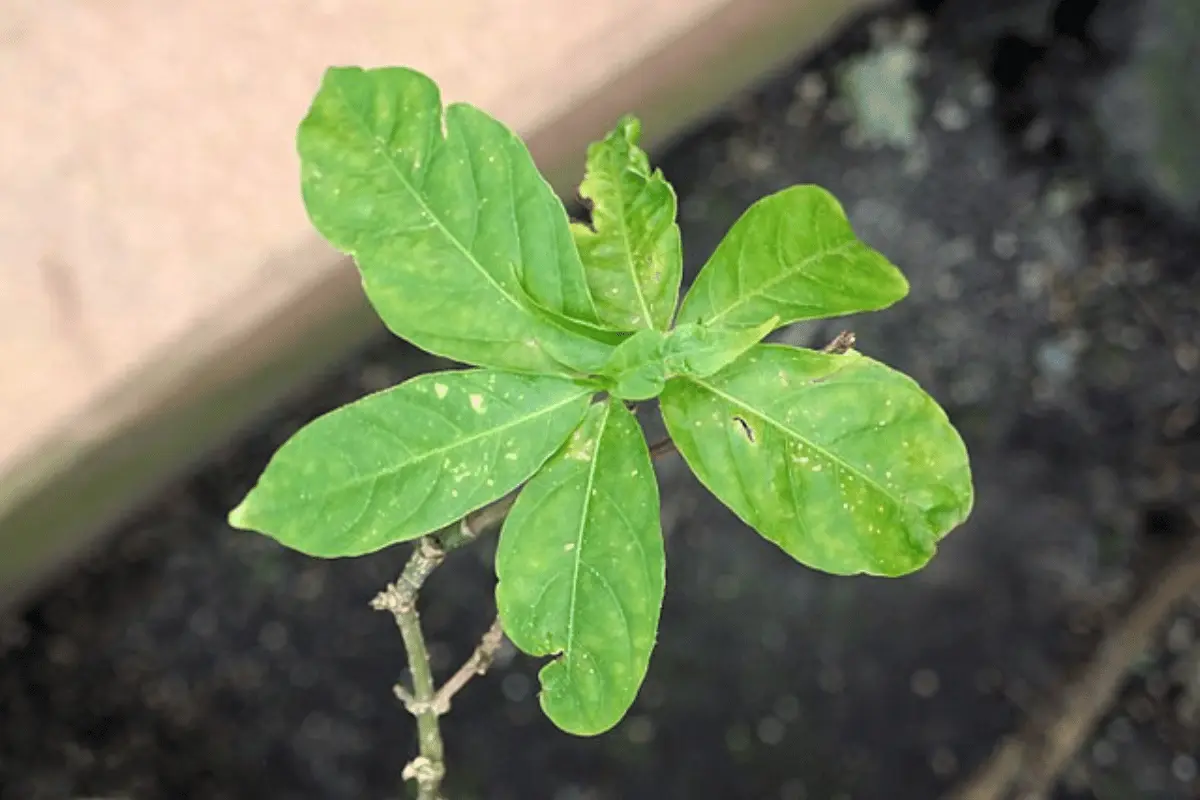
Iboga (Tabernanthe iboga) is a shrub used in the rituals and ceremonies of certain African cultures. It stands out as a potent plant medicine for addressing both physical and spiritual healing. The root bark contains a substance called ibogaine that can induce strong hallucinogenic effects, to be precise, the second layer of the root bark contains the majority of active alkaloids. While these alkaloids are present throughout the plant, their concentration is significantly lower in other parts.
Additionally, it is used for addressing conditions like fever and nausea caused by withdrawal, although there is a lack of substantial scientific evidence supporting these uses. It is critical to understand that the use of iboga could pose safety risks.
Understanding Iboga’s Mechanism of Action
Many people wonder how Iboga works to offer such transformative effects on the mind and body. The answer lies in its mechanism of action, which involves interaction with various receptors in the brain. Specifically, Iboga interacts with the serotonin system, which plays a crucial role in regulating mood, anxiety, and stress. It also affects various other neurotransmitters, including dopamine and glutamate. The active alkaloid ibogaine acts by inhibiting the uptake of both dopamine and serotonin.
The effects of Iboga can vary based on the dose and individual receiving treatment. Common effects include a sense of clarity, increased self-awareness, and spiritual experiences. It can also facilitate the release of emotions and memories, allowing individuals to process past traumas and move toward healing.
The benefits of Iboga extend beyond mental health; it has shown potential in treating addiction and even physical ailments such as chronic pain. Overall, by understanding how Iboga interacts with the brain, we can better understand its potential benefits for various conditions.
Addiction Recovery with Iboga
For individuals struggling with addiction, Iboga can offer a powerful tool for recovery. Research suggests that Iboga’s psychoactive properties can facilitate introspection and self-awareness, helping individuals identify the root causes of their addiction and develop a deeper understanding of themselves.
Moreover, Iboga’s transformative effects can offer a much-needed break from addictive patterns of behavior, helping people break free from physical and psychological dependence on drugs or other addictive substances. This can be especially helpful for individuals who have tried traditional methods of addiction recovery without success.
Mental Health Support with Iboga
While Iboga’s primary use is for addiction recovery, it can also offer potential benefits for mental health support. Its psychoactive properties can facilitate deep introspection and promote emotional healing, helping people process and move through difficult emotions and experiences.
Studies suggest that Iboga may offer relief for a range of mental health conditions, including depression, anxiety, and trauma-related disorders such as PTSD. Its potential for promoting self-awareness and spiritual growth can also offer individuals a new perspective on their mental health challenges and help them develop new coping strategies and tools for self-care.
As with any potential therapeutic option, it’s important to consult with a trained professional to determine whether Iboga is a safe and appropriate choice based on an individual’s unique needs and circumstances.
Iboga for Spiritual Growth
Iboga has been hailed as a powerful tool for spiritual growth and personal development. Iboga ceremonies, which are often guided by experienced facilitators, can facilitate profound spiritual experiences. These experiences can offer a sense of insight and clarity that can be difficult to achieve through other means.
In addition, Iboga has been shown to enhance self-awareness, which is a necessary step in spiritual growth. By gaining a better understanding of oneself, individuals can become more mindful and reflective, allowing them to make positive changes in their lives.
Many who have undergone Iboga treatment report experiencing a deeper sense of connection to themselves and to the world around them. These experiences can be life-changing and offer new perspectives that can impact a person’s life for years to come.
Drawbacks of Iboga
Iboga has been reported to have several benefits in addiction recovery, mental health support, and spiritual growth. The plant’s psychoactive properties have been found to provide profound insights, increase self-awareness, and promote personal growth. However, in some instances, Iboga can be extremely dangerous.
Despite the numerous benefits, there are also potential drawbacks to consider when using Iboga. The plant has been reported to have potentially dangerous side effects, including seizures, cardiac issues, paralysis, difficulty breathing, and even death. Additionally, Iboga is not legal in many countries and should only be administered by trained professionals in a controlled setting.
Overall, individuals considering Iboga as a healing option should weigh the pros and cons carefully. Seek professional guidance and ensure proper safety measures are in place before undergoing treatment.
Iboga in Clinical Settings
The use of Iboga in clinical settings has gained popularity in recent years due to its potential in treating addiction and mental health issues. Many treatment facilities incorporate Iboga as a complementary therapy to traditional approaches, combining the benefits of both for more effective outcomes.
During Iboga treatment, trained professionals supervise the experience to ensure safety and provide support. The integration of Iboga into clinical settings provides a controlled and structured environment for individuals seeking healing.
While still considered an alternative therapeutic approach, the use of Iboga in clinical settings shows promising results and continues to be researched as a potential tool for mental health and addiction recovery.
Iboga vs. Other Treatment Options
While there are various healing modalities available for addiction recovery, mental health, and spiritual growth, Iboga stands out due to its unique mechanism of action. Unlike conventional treatments, Iboga works by providing individuals with a profound spiritual experience, facilitating self-awareness, and allowing for psychological exploration.
Compared to other treatment options, Iboga offers a holistic approach, not just providing relief from physical symptoms but also addressing underlying emotional and psychological issues that contribute to addiction and other mental health conditions. Additionally, unlike traditional therapy approaches, which can take years to see any improvement, Iboga offers a transformative experience that can be achieved within a few sessions.
While Iboga possesses unique benefits, it can also be combined with other treatment modalities to enhance their effectiveness. For instance, combining Iboga with talk therapy or cognitive-behavioral therapy can help individuals gain enhanced benefits when treating mental health issues or addiction. The ability of Iboga to offer a spiritual experience also complements mindfulness and meditation practices, leading to better results.
Final Thoughts
It’s clear that Iboga has the potential to offer a life-changing journey of healing and self-discovery for individuals seeking a holistic approach to wellness. With its impressive healing potential and integrative possibilities into traditional therapy, Iboga undoubtedly holds promise for the future of mental health and addiction recovery treatments.
Keep in mind that Iboga is not a magic cure, and as with any medicine, it’s important to approach Iboga treatment with caution and professional guidance.
Iboga ceremonies can vary in duration, ranging from one day to multiple days. The length of the ceremony is determined by the intentions, the type of ceremony, and the guidance of the facilitators.
Iboga can interact with certain medications, including antidepressants and other psychoactive substances. It is essential to disclose all medications and substances you are taking to experienced practitioners or healthcare professionals for a thorough evaluation and guidance.
Iboga can have physical and psychological side effects, including nausea, vomiting, heart rhythm disturbances, and intense introspective experiences. For this reason, it’s really important to be in the hands of a skilled and well-trained practitioner. Use our Directory to find the best Iboga facilitators out there.
Yes, Iboga has a long history of traditional and spiritual use for personal growth, self-reflection, and spiritual exploration. However, it is important to approach Iboga with proper preparation, intention, and guidance to ensure a safe and meaningful experience.
Iboga is contraindicated for individuals with certain medical conditions, such as heart conditions, liver problems, or psychiatric disorders. It is crucial to disclose your medical history and undergo a thorough evaluation with healthcare professionals or experienced practitioners.
Embark on the rejuvenating journey of Plant Medicine and experience healing like never before! At the Plant Medicine Path, we believe in the power of nature to transform lives. Join a vibrant community of like-minded individuals seeking the benefits of plant medicines and their therapies. With our unwavering commitment to providing the best resources and support, you can be sure that your physical, mental, and emotional health will be in good hands.