Category: Blogs

Blog Page

  • Ayahuasca Dieta

    Ayahuasca Dieta

    Ayahuasca Dieta: How Food Affects Healing and Spiritual Awakening

    Table of Contents

    Table of Contents

    For centuries, indigenous communities have held Ayahuasca in high regard as traditional Amazonian medicine. They discovered that purifying the body before the sacred ceremony leads to a clearer state of mind and a more profound spiritual experience, which is why they established the Ayahuasca Diet.

    The Ayahuasca Diet plays a vital role in preparing for the journey, involving a rigorous process of mental, physical, and spiritual cleansing before connecting with the plant spirit. To fully harness the potential of Ayahuasca for physical healing and spiritual transformation, it is essential to avoid substances or activities that could cloud the mind. Additionally, setting a clear intention is crucial to mentally align oneself toward deep healing.

    In the weeks leading up to the Ayahuasca experience, optimizing personal growth requires preparing the body. This preparation involves eliminating certain foods from the diet to minimize the need for purging and effectively remove toxins. Adhering to a strict diet before and during the retreat shows a strong dedication to the healing process, even though giving up favorite foods may be difficult. This commitment creates the strong foundation required for the all-encompassing healing of the body, mind, and soul.

    Key Takeaways 

    • The Ayahuasca Dieta is focused on consuming clean, nutrient-dense foods that will prepare you for an Ayahuasca ceremony.
    • Avoid red meat, spicy foods, caffeine, alcohol, dairy, excess sugar and salt, highly aromatic foods, and tyramine-rich foods
    • Eat natural and organic foods like vegetables, legumes, grains, and fresh fruits.
    • Stay away from social media, recreational drugs, and sexual activity.
    • The Ayahuasca dieta establishes a stronger connection with the sacred plant and fosters a more profound journey.

    What is an Ayahuasca Dieta?

    The Ayahuasca diet’s core concept revolves around consuming clean, nutrient-dense foods that are unprocessed. This dietary restriction should be maintained for at least three days leading up to the ceremony, but ideally, it is recommended to follow it for up to two weeks. The Western diet often revolves around excessive consumption of red meat and sugary drinks, which highlights the need for the ayahuasca dieta to step in and facilitate cleansing and detoxification. 

    Foods to Avoid

    The whole idea behind a diet is to limit certain types of food to achieve the desired result. For instance, in the keto diet, you are eliminating carbs to burn fat more effectively. On the other hand, the Ayahuasca dieta follows a similar principle but with a different purpose. The primary objective of this detoxification is to enhance the effectiveness and profundity of your ayahuasca journey. Here are some of the foods that you should steer clear of:

    • Red meat (Pork, Sheep, Tuna, Eel)
    • Spicy foods
    • Caffeine
    • Alcohol
    • Dairy
    • Excess sugar and salt
    • Highly aromatic foods (Garlic, Onion)
    • Overripe fruits
    • Food that is rich in tyramine


    foods to avoid on ayahuasca dieta


    What are Tyramine Rich Foods?

    When you consume tyramine, your adrenal glands respond by releasing catecholamines, which are chemicals that serve as both hormones and neurotransmitters. These catecholamines, including dopamine, norepinephrine, and epinephrine, provide a boost of energy and can elevate your blood pressure and heart rate.

    The reason for avoiding tyramine-rich foods and beverages is due to the presence of a monoamine oxidase inhibitor (MAOI) in the ayahuasca brew. MAOIs prevent the breakdown of the amino acid tyramine. Consuming these types of foods alongside the ayahuasca brew can be challenging for the body to digest and may lead to headaches, elevated blood pressure, or increased nausea. Here is an example of tyramine-rich foods that you should avoid:

    • Fermented foods (Pickles, Sauerkraut, Kimchi, etc.)
    • Aged cheeses (Cheddar, Feta, Blue Cheese, Gorgonzola, etc.)
    • Tofu
    • Soy Sauce
    • Yeast

    Foods to Include

    The most straightforward Ayahuasca diet involves consuming light vegetarian meals with moderate to low levels of salt, sugar, and fat for three days before and after the ceremony. On the day of the ceremony itself, it is advisable to stick to raw food.

    Here are the recommended foods for the Ayahuasca diet:

    • Vegetables, both fresh and cooked
    • Legumes such as peas and beans
    • Grains like rice, oats, barley, buckwheat, or other whole grains
    • Fresh fruits and juices
    • Olive oil (avoid frying)
    • Fresh eggs (avoid them on the day of the ceremony)

    By following this simple, yet nourishing diet, you can prepare your body and mind for the profound Ayahuasca experience, allowing you to fully embrace the transformative journey that lies ahead.

    foods to eat on ayahuasca diet


    What to Eat On the Day of the Ayahuasca Ceremony?

    The recommended dieta for the day of the ceremony consists of a simple vegetarian breakfast and a light vegetarian lunch, with options for a vegan diet or fasting if required by the participant. Avoid spicy foods, caffeine, eggs, dairy, and heavy sweets, and drink only water or herbal teas. Refrain from eating at least five hours before the session starts, if you don’t feel nauseous or dizzy, you can consume a tiny amount of fruits at the end of the ceremony.
     
    Eliminating certain foods from your diet a week before the ceremony can help you take on the last day of the diet more easily. Try to completely exclude foods like butter, dairy, high-gluten products, and sugary carbs. If you are uncertain about what exactly to eat, most practitioners will give you a universal recommendation to consume raw fruits, vegetables, herbal tea, and water, which can help reduce the heaviness of purging during the ceremony.
     

    What’s Purging During the Ceremony?

    The ayahuasca purge is a process aimed at purifying the body by releasing energy, emotions, and trauma through physical actions. Various forms of purging may occur during an ayahuasca experience, and each person may encounter it differently. Some common types of purging on ayahuasca include vomiting, defecating, crying, yawning, shaking, and laughing. Although these actions may not sound appealing, the ayahuasca purge goes beyond the physical aspect. It is about the accompanying release, which can actually feel liberating and cathartic.

    If you are wondering what’s the catch with the dieta and the purge, there is none. The whole point of the dieta is to make you prepared and ease the effects of the purge. Ayahuasca dieta will also make you more mentally prepared for what is about to happen. Ayahuasca gathers negatively charged energy and expels it through the purge, leaving you feeling lighter, cleaner, and freer.

    Spiritual Aspect of The Dieta

    In the spiritual context of the Ayahuasca dieta, you should stay away from all the activities that release significant amounts of dopamine such as scrolling on social media, playing video games, doing recreational drugs, and having sex. This practice will preserve your vital energy and cultivate a deeper internal connection. Abstinence of these “life pleasures” is seen as a means of honoring the sacredness of the Ayahuasca ceremony. It allows participants to approach plant medicine with a pure and open heart, free from the distractions of physical desires.

    It’s also important to stay clear of any negative emotions that might come during this spiritual fast. You must find a way to cope with these emotions and not let them affect you in any shape or form. The spiritual dieta seeks to anchor participants in the here and now, gaining significantly more understanding of what is yet to come and how could it be reflected in their everyday life.

    Drums for ayahuasca ceremony


    The Importance of Ayahuasc Dieta

    The dieta’s purpose is rooted in the belief that approaching an ayahuasca experience with a purified body and mind establishes a stronger connection with the sacred plant and its effects. By ridding your system of toxins and distractions, you create a clean slate for the medicine to work on, fostering deeper insights and a more profound journey. Ignoring the dieta, on the other hand, may lead to added resistance in the form of mental and physical purging, obstructing the medicine’s clear path to your consciousness.

    The Ayahuasca dieta holds importance for the ceremony that lies beyond the physical aspects. The body acts as a vessel for plant medicine, and preparing it is necessary in order to enhance the profundity of the Ayahuasca experience. Therefore, this kind of diet is considered a sacred practice that dips its fingers into the spiritual realm. 

    Beyond the dietary choices, you need to understand that the Ayahuasca dieta involves nurturing positive thoughts and emotions as well. It calls for abstaining from anger, doubt, and negative thinking about the diet or the process itself. This mindful approach is a continuous practice that extends throughout each day, even during sleep. For those seeking the most profound Ayahuasca experience, the integration of both the physical and spiritual aspects of the diet is essential to achieve the most favorable and meaningful outcomes.

    FIND YOUR PATH, CHANGE YOUR LIFE

    The Plant Medicine Path is a guide, community and resource for psychedelic healing. We offer support and information for every step of the psychedelic journey, from pre-ceremony research and education, through choosing qualified providers, to post-ceremony integration.
    The Plant Medicine Path and Root to Recovery Geo Directory provides one place for education, information, connection and integration.

    Sharing is Caring:
  • Kambo

    KAMBO

    Table of Contents

    Table of Contents

    Kambo, also known as the “Giant Monkey Frog” or “Phyllomedusa bicolor,” is a tree-dwelling frog found in the Amazon rainforest. The secretion produced by this frog, commonly referred to as Kambo, is used in traditional healing rituals by indigenous tribes in the region. It is a powerful yet enigmatic natural remedy, has been gaining significant attention in recent years. This traditional practice, originating from the Amazon rainforest, is revered for its profound healing properties. In this article, we delve into the world of Kambo, exploring its origins, therapeutic benefits, safety considerations, and potential as an alternative healing modality.
    What is Kambo?

    As we already mentioned Kambo is a frog medicine, that originated from the Amazon basin, predominantly found in the Amazon rainforests of South America. Its habitat encompasses northern Brazil, eastern Peru, and southeastern Colombia, as well as parts of Venezuela, Bolivia, and the Guianas. Outside Brazil, both the frog and its secretion are commonly called sapo, which translates to ‘toad’.

    Giant monkey frogs emit a distinct sound, also called “the song of the toad” that aids in locating them at night for collection purposes. When held in captivity, the frogs’ legs are mildly restrained to induce the secretion, which is a waxy substance scraped from the back and legs of the frog onto wooden splinters. Once dried, Kambo can retain its potency for over a year. Prior to use, it is typically mixed with saliva or water and directly applied to specially prepared skin burns.

    Kambo has numerous historic and potential therapeutic uses in the fields of medicine and psycho-spirituality. Its secretion is renowned for its potent emetic or purgative effects. Despite the initial discomfort associated with Kambo, it is widely sought after for its revitalizing effects on the body and mind.

    kambo toad

    The Origins of Kambo

    Indigenous civilizations in the Amazon have incorporated kambo into their daily lives for centuries. Shamans and tribal communities utilize Kambo as a powerful tool for spiritual and physical cleansing, as well as for hunting and increasing energy levels.

    The origins of Kambo are the subject of a distinctive tale or story that belongs to each tribe. However, the most widely known legend hails from Brazil, particularly among the Kaxinawá tribe. This story claims that when the forest people were sick, their shaman would take sacred plant medicine to induce trance and speak with the forest spirits. Within this altered state, he encountered a female forest spirit who presented him with a frog and imparted the knowledge of its medicinal properties, which could heal their village. Upon awakening, the shaman shared this frog medicine with his people, successfully curing them of their ailments. After this event, he became known as Pajé Kampu or Kampum.

    When Pajé Kampu eventually passed away, his spirit merged with the spirit of the frog, which subsequently became known as Kambo. The use of Kambo progressively spread, and for thousands of years, it has been used as medicine by other indigenous peoples, including the Amahuaca, Katukina, Kulina, Yawanawá, Matses, Marubo, and Mayoruna, in addition to the Kaxinawá. Kambo remains widely used among indigenous communities in the Amazon region to this day.

    kambo prepared for the ceremony

    Looking for a Kambo retreat? Check our Geo Directory.

    Understanding Kambo

    The term “Kambo” refers to both the substance and the associated ceremonial ritual. These two aspects are intricately interconnected, as each gives meaning and purpose to the other. To truly comprehend Kambo, it is essential to grasp the significance of the Kambo ceremony.

    Unlike certain substances that induce euphoria, eliciting laughter or altered perceptions, Kambo is not used for recreational purposes. Kambo is derived from frog poison, and its effects are often uncomfortable. People do not engage with Kambo seeking enjoyment; instead, they embrace it as a means to purge, cleanse, and facilitate healing.

    The Kambo ceremony acknowledges the discomfort inherent in the experience and provides a structured and safe environment for individuals to undergo this challenging process. Participants willingly enter the Kambo ceremony with awareness of what awaits them. The ceremony is designed to eliminate distractions, as they have no place in the Kambo journey. It is often said that Kambo provides individuals with what they need, rather than what they desire. In this regard, Kambo serves as both frog poison and frog medicine, holding transformative properties for those who engage with it.

    kambo ceremony application

    What’s the Kambo Ceremony Like

    Usually, a shaman or an experienced Kambo practitioner begins the ceremony by leading a prayer, setting the sacred tone for the experience. The participants are positioned in a comfortable seated position. Due to the potential purging effect, a bucket is placed nearby, ensuring that participants have a convenient place to release any discomfort. Each individual is also provided with a water bottle, essential for hydration throughout the ceremony.

    The next step in the ceremony involves creating specific entry points for the Kambo medicine. These entry points, known as burns or gates, are established by gently burning the top layer of skin using a smoldering vine or incense stick. These burns are usually small and can’t do any serious harm to the people attending the ceremony. The number and placement of these burns are determined based on the individual’s unique needs. In many cases, the positioning of the burns aligns with the chakras, and one of the most common areas for placement is the shoulder or back of the arm. After creating the burns, the practitioner gently rubs off the charred layer, exposing the fresh epidermis below.

    Once prepared, a shaman will scrape the Kambo substance off the stick, using a small amount of water to create a putty-like consistency. Carefully, he places these little balls of Kambo onto the fresh epidermis, allowing the medicine to enter the body.

    With the Kambo applied and the medicine in motion, the transformative journey of the ceremony begins. Participants embrace the discomfort and surrender to the healing potential of the Kambo, knowing that their intentions and the wisdom of the frog medicine will guide them through the experience.

    kambo ceremony

    What to Expect from Kambo

    The immediate impact of Kambo medicine is characterized by intense and uncomfortable sensations, but these effects are relatively brief, typically lasting around 30-40 minutes. During this time, various physiological responses occur. The body temperature rises, leading to feverish sensations, accompanied by profuse sweating and shivering. The heart rate accelerates significantly. It is common to experience fluctuations in blood pressure, which may either rise or fall dramatically while becoming acutely aware of the veins and arteries. Many individuals describe a tingling or electric burning sensation that originates from the Kambo entry points and spreads throughout the body. Some may also feel a dissociative or intoxicated state.

    Nausea is an almost inevitable response to Kambo, and the urge to purge is likely to arise, manifesting through vomiting, defecation, or both. Additional effects may include a sensation of pressure in the head, neck, and torso, stomach discomfort, throat inflammation, dry mouth, temporary blurred vision or even momentary loss of sight, difficulty in movement, and sensations of numbness and swelling in the lips and tongue. These physical reactions are the body’s natural response to acute poisoning.

    Once these initial biological effects subside and the heart rate returns to normal, it is important to allow time for rest and recovery. Some individuals may enter a dreamless sleep, while others might emit unusual animal-like sounds.
    Following the Kambo purge, many individuals report an enhanced overall experience. They may feel a surge of physical strength, heightened senses, and increased mental alertness. These desirable after-effects can manifest immediately or take up to a day to fully materialize. They often include a sustained uplifted mood, heightened physical and mental energy, reduced stress levels, and improved focus.

    Kambo Risks

    Kambo, while known for its intense and unpleasant effects that are considered a normal part of the ritual, has also been associated with a range of serious complications.

    Among the potential risks of using Kambo are severe and prolonged vomiting and diarrhea, which can lead to dehydration. Muscle spasms, cramps, and even convulsions have been reported as well. There have also been cases of jaundice and confusion linked to Kambo usage, and scarring is another possible outcome.

    It is important to note that Kambo has been associated with more severe consequences, including toxic hepatitis, organ failure, and even death.


    To compound matters, individuals with certain underlying health conditions face an increased risk of experiencing serious side effects. Those with cardiovascular conditions, a history of stroke or brain hemorrhage, aneurysms, blood clots, mental health conditions such as depression, anxiety disorders, and psychosis, low blood pressure, epilepsy, or Addison’s disease are advised to avoid Kambo.

    Does Kambo Actually Work?

    Although many individuals have reported positive outcomes following a kambo ceremony, the scientific evidence supporting these claims is limited.

    Experts have conducted extensive studies on kambo over the years, focusing on its effects such as brain cell stimulation and dilation of blood vessels. However, none of the existing research provides substantial support for the health-related assertions associated with kambo.

    Despite the limited scientific research, Kambo’s historical use in traditional medicine highlights its potential benefits and the positive experiences of numerous people who have sought its therapeutic properties. It remains an important aspect of cultural practices and has been credited with helping individuals in various ways throughout its longstanding medicinal use.

    FIND YOUR PATH, CHANGE YOUR LIFE

    The Plant Medicine Path is a guide, community and resource for psychedelic healing. We offer support and information for every step of the psychedelic journey, from pre-ceremony research and education, through choosing qualified providers, to post-ceremony integration.
    The Plant Medicine Path and Root to Recovery Geo Directory provides one place for education, information, connection and integration.

    Sharing is Caring:
  • Hapé

    Hapé

    Hapé

    Table of Contents

    Table of Contents

    For thousands of years, Hapé also known as Rapé has been an integral part of indigenous cultures throughout the Americas, where tobacco is revered as a potent medicine reserved for ceremonial use. This sacred snuff is administered by blowing it into the nostrils, leading to profound effects on the mind, body, and spirit.
    Even today, Hapé continues to be produced in the Amazon basin by various indigenous groups, including the Yawana, Matse, Huni Kuin, Nukini, Kuntanawa, and many others. 

    These communities safeguard their unique recipes, keeping them secret and passing down the knowledge through generations. Hape’ plays a significant role in their cultural practices, often being used during rites of passage or as part of ayahuasca and Kambo ceremonies.

    The popularity of Hapé has transcended indigenous communities and has gained recognition worldwide. People from diverse backgrounds are drawn to its intriguing history and the potential health benefits it offers. It serves as a powerful reminder of the deep connection between humans and the natural world. It invites us to explore alternative forms of healing and consciousness expansion, rooted in ancient traditions and wisdom.

    What is Hapé?

    Hapé is a fine powder made from specific plant materials, which are carefully selected and prepared by experienced healers. The exact ingredients vary depending on the tribe and the intended purpose of the medicine. Some common plants used in Hapé include mapacho tobacco, cacao, mint, cinnamon, and various tree barks. 

    This sacred snuff induces a unique state of alertness and elevation, surpassing the effects of many other natural plant-based substances. The rapid and intense effects of Hapé can be attributed to its administration through the nasal passage. Surprisingly, the practice of consuming powdered plant medicines in this manner dates back to pre-Columbian times and was first observed among Brazilian indigenous tribes.

    From the indigenous perspective, Hapé is viewed as a sacred shamanic snuff medicine with profound healing effects. It is made from a variety of medicinal herbs, each of which has a unique function, such as creating visions, supplying energy, or heightening the senses with their tempting aromas. With countless medicinal plants available for blending, a wide range of Hapé recipes exists.

    hape blend

    How Hapé Works

    When Hapé is blown into the nose, it enters the respiratory system and quickly absorbs into the bloodstream. The active compounds in the plants interact with the body and mind, producing a range of effects. Hapé is believed to have grounding and centering properties, as well as the ability to clear and open the energetic channels in the body. It is also thought to stimulate the release of endorphins and activate the pineal gland, facilitating altered states of consciousness.

    How Is Hapé Consumed

    Traditionally, Hapé is used by blowing the finely ground powder into the nostril of a person using it. For this purpose, special pipes are used, which are usually crafted from materials like bone, wood, or bamboo. There are two different Hapé pipes. The first one called “Tepi” is a long, hollow tube in which medicine is placed.

    After that shaman will blow Hapé into the user’s nostrils. On the other hand, there is a Hapé pipe called “Kuripe,” which is a self-application pipe, that resembles the shape of the letter V, allowing the individual to self-administer the medicine.

    What’s a Hapé Ceremony

    In the realm of Hapé, while it is possible to create a ceremonial container for personal use, the most recommended approach is to engage in the experience under the guidance of an experienced and trained facilitator. The tradition surrounding Hapé emphasizes the significance of the blower putting their life force into the recipient, making it crucial to choose someone whom you trust for this sacred ritual. 

    Hapé ceremonies often take place outdoors, embracing the spiritual and practical connection to nature. It is important to note that during the ceremony, participants may experience spitting, sneezing, and even purging. Therefore, having a nearby bathroom and an ample supply of tissue paper for nose blowing are considered ideal preparations.

    How the Ceremony Looks Like

    Measurement and Blessings: The Hapé, meticulously measured, is placed into the hand of the blower. This act is often accompanied by prayers, blessings, or intentions to establish the ceremonial tone and create a sacred space.

    Guided Instructions: For those new to the ceremony, the shaman or facilitator will provide essential guidance. Relaxation is encouraged, with a slight opening of the mouth, as you prepare to embark on this sacred voyage.

    Inhalation Process: The Hapé pipe, wielded with the utmost care, is delicately inserted into one nostril. Simultaneously, the blower exhales through the pipe, delivering the Hapé into your nasal passage. This refined blowing technique has been honed by trained Hapé shamans, ensuring a precise and potent experience.

    Sensations and Experiences: As the Hapé permeates your being, you may perceive a momentary burning sensation in your nostrils. Subsequently, the pipe transitions to the other nostril, and a fresh dose of Hapé is blown, deepening the immersive encounter.

    Gratitude and Reflection: Upon the conclusion of the ceremony, it is customary to express heartfelt gratitude to the blower for their integral role in the experience. Find a tranquil space to sit and embrace the effects, understanding that each person’s encounter with Hapé can vary significantly

    Hapé shaman

    What Are the Benefits of Hapé?

    Its powerful effects affect the mind, emotions, and energy field along with the physical world. The following are some ways that Hapé can assist and improve your well-being.

    Enhanced Mental Clarity: By working with Hapé, individuals can experience a heightened sense of focus and mental acuity. It has the potential to sharpen the mind, fostering clarity and improving cognitive function.

    Purification and Intention Setting: Before embarking on any intentional journey or ceremony, it is vital to clear away any distracting or negative energies. Hapé serves as a potent tool for cleansing both individuals and spaces, creating a harmonious environment for setting intentions and engaging in transformative practices.

    Detoxification of Body and Mind: Hapé possesses detoxifying properties, aiding in the purification of both the physical body and the mind. Through its use, individuals can release stagnant energy, cleanse their energetic field, and promote a sense of renewal.

    Synergy with Ayahuasca: Hapé is often utilized in conjunction with ayahuasca ceremonies, complementing the profound healing and transformative experiences facilitated by the sacred plant medicine. It enhances the overall ceremony, supporting individuals on their inner journey and amplifying the healing potential of the sacred space.

    Respiratory Support: The application of Hapé assists in clearing the sinuses, helping to alleviate congestion, mucus, and bacteria. This can contribute to improved respiratory health, offering relief from colds, respiratory ailments, and other related conditions.

    Emotional Grounding and Calmness: One of the remarkable qualities of Hapé is its ability to bring about a soothing and grounding effect on the emotions. The calming influence extends beyond the initial sensation, promoting a sense of tranquility, emotional balance, and inner peace.

    Complementary Support for Addiction and Mental Illness: Hapé can be integrated as part of a comprehensive approach to addressing addiction and mental illness. When used in conjunction with other treatments, it can offer valuable support on the journey toward healing and recovery.

    Are There Any Risks?

    Although rare, there are some potential risks when using Hapé. Here’s what to consider:

    Respiratory Irritation: Hapé inhalation may cause discomfort in the nasal passages and lungs. Use in moderation and avoid excessive inhalation.

    Nausea and Dizziness: Some individuals may experience temporary nausea or dizziness. Take breaks and listen to your body.

    Adverse Reactions: Although rare, Hapé can trigger headaches, allergies, or other discomfort.
    Contraindications: Pregnant women and individuals with respiratory or cardiovascular conditions should approach Hapé use with caution or avoid it altogether.

    Final Word

    As we delve into the world of Hapé, we discover a profound connection between ancient traditions and our modern quest for healing and consciousness expansion. The indigenous cultures of the Americas have preserved and shared the sacred knowledge of Hapé, using it as a ceremonial medicine for thousands of years. 

    Today, its popularity extends beyond these communities, captivating people from diverse backgrounds who seek its intriguing history and potential health benefits. Hapé serves as a reminder of our deep connection to nature and alternative forms of healing. Through the careful selection and preparation of plant materials, experienced healers create this sacred snuff, which offers unique effects on the mind, body, and spirit. 

    Engaging in a Hapé ceremony under the guidance of an experienced facilitator offers a transformative experience. It involves intentional preparation, inhalation of the sacred snuff, and moments of reflection and gratitude. Each person’s encounter with Hapé can be different, encompassing physical sensations, profound insights, and even visionary experiences.

    In embracing Hapé, we honor ancient traditions, connect with the natural world, and explore new pathways to healing and expanded consciousness. May this sacred medicine continue to inspire and guide us on our personal journeys of growth and transformation.

    FIND YOUR PATH, CHANGE YOUR LIFE

    The Plant Medicine Path is a guide, community and resource for psychedelic healing. We offer support and information for every step of the psychedelic journey, from pre-ceremony research and education, through choosing qualified providers, to post-ceremony integration.
    The Plant Medicine Path and Root to Recovery Geo Directory provides one place for education, information, connection and integration.

    Sharing is Caring:
  • Bufo Alvarius Toad (5-MEO-DMT)

    Bufo Alvarius Toad (5-MEO-DMT)

    Bufo Alvarius Toad (5-MEO-DMT)

    Table of Contents

    Table of Contents

    The Bufo Alvarius toad, also known as the Colorado River toad, is a unique amphibian that has garnered significant attention due to its association with the powerful psychoactive compound called 5-MeO-DMT. Let’s dive deeper into the world of the Bufo Alvarius toad and its connection to 5-MeO-DMT, observing its history, effects, traditional use, contemporary applications, safety considerations, extraction methods, and integration practices.

    What is the Bufo Alvarius Toad?

    The Bufo Alvarius toad is a relatively large amphibian, measuring up to 7 inches in length. It is characterized by its stout body, warty skin, and distinctive parotoid glands located behind the eyes, which produce bufotoxins, including 5-MeO-DMT. These glands serve as a natural defense mechanism against predators. However, in the late 1960s, when Dr. Peter Furst isolated 5-methoxy-N, N-dimethyltryptamine, or 5-MeO-DMT for short from Bufo, many researchers, shamans, and psychonauts started hunting these frogs due to its profound impact on perception and spirituality.


    Throughout Mesoamerican artwork, the toad has frequently been portrayed, leading some scholars to suggest that the ingestion of Bufo secretions has been known in Mesoamerica for an extended period. However, others argue that this artistic depiction lacks sufficient “ethnohistorical evidence” to support such claims.

    DMT Frog

    5-MeO-DMT

    The chemical structure of 5-MeO-DMT belongs to the tryptamine class of compounds. It is structurally similar to the more well-known psychedelic compound DMT (N, N-dimethyltryptamine) but with an additional methoxy group attached to the fifth position of the molecule. This slight modification significantly alters its effects and potency.

    When consumed, 5-MeO-DMT induces profound alterations in consciousness. People commonly report a rapid onset of intense and immersive experiences characterized by a sense of ego dissolution, unity with the universe, and profound interconnectedness. These effects can be overwhelming and have been described as mystical, transformative, and out worldly. The duration of the experience is relatively short compared to other psychedelics, typically lasting around 15 to 30 minutes. During this time, people may undergo profound internal exploration, encounter visual and auditory hallucinations, and experience a sense of timelessness. The effects of 5-MeO-DMT can vary widely depending on individual factors, set, and setting.

    5-MeO-DMT Dosage

    Traditionally, 5-MeO-DMT and its plant sources have been consumed through insufflation, commonly referred to as snorting, in mixtures known as snuffs. Here is the recommended dosage chart.

    Intranasal

    Threshold dose

    3-5 mg

    Low dose

    5-10 mg

    Average dose

    8-15 mg

    High dose

    10-25 mg

    Currently, the most commonly used method is smoking the pure substance, with dosages ranging from 6 to 20 mg.

    Inhaled

    Threshold dose

    1-2 mg

    Low dose

    2-5 mg

    Average dose

    5-10 mg

    High dose

    10-20 mg

    Intravenous administration has also been explored, with dosages falling between 0.7 and 3.1 mg. However, this is rarely used in practice.

    Bufotein

    Bufotenin is a chemical component found in the secretions and eggs of various toad species belonging to the Bufo genus. However, it is worth noting that the Colorado River toad (Incillius alvarius) is the sole species with a significant amount of bufotenin that can induce psychoactive effects. Traditional medicines, such as ch’an su (likely derived from Bufo gargarizans), have utilized extracts of toad secretion containing bufotenin and other bioactive compounds. Although this herbal remedy has been employed for centuries in China, it is often illegally imported to the USA and prepared as tea.

    Bufotein Dosage

    There have been conflicting reports regarding the psychoactivity and effects of bufotenin, leading to varying conclusions from different studies. As a result, the specific dosage of bufotenin and its effects remain unclear. Based on Jonathan Ott’s bioassays, the following doses of bufotenin have been suggested.

    Intranasal

    Low dose

    5-20 mg

    Average dose

    30-60 mg

    High dose

    80-100 mg

    Inhaled-Vapor

    Low dose

    2 mg

    Average dose

    4-6 mg

    High dose

    8 mg

    Traditional and Shamanic Use of Bufo Alvarius Toad

    The history surrounding the recreational and spiritual use of toad venom is relatively short, although discussions about the ritualistic utilization of toads have appeared in certain anthropological literature. Toads hold significance in the iconography and mythology of Mesoamerican cultures. Among the Maya and the Olmec, toads symbolized fertility and rain, often depicted symbolically. Remains of toads have been discovered at numerous archaeological sites.

    As you can see, the use of the Bufo Alvarius toad and its secretions has a long history in various indigenous cultures throughout the Americas. Shamans and medicine people have revered the toad as a sacred ally and have incorporated its ceremonial use into their spiritual practices. The toad is often regarded as a teacher and a portal to the spiritual realms.

    In traditional contexts, the Bufo Alvarius toad and 5-MeO-DMT are believed to possess powerful healing properties. The toad’s secretion is seen as a potent medicine that can facilitate spiritual growth, emotional healing, and a deep connection with the divine. It is used in rituals aimed at gaining insights, resolving inner conflicts, and achieving a state of harmony and balance.

    bufo alvarius toad 5-meo-dmt

    What Are the Effects

    When 5-MeO-DMT is smoked or vaporized, its effects manifest rapidly and are of a short duration, typically lasting less than 20 minutes. However, these effects are often unexpectedly intense and overwhelming.

    Inhalation of the vapors of 5-MeO-DMT leads to a sudden and immediate onset of effects within seconds. The peak effects are reached in less than a minute and persist for approximately 5 to 15 minutes. Users commonly describe the intensity of the experience during the appearance and plateau of effects. The effects dissipate rapidly within 5 to 15 minutes, although residual effects may be felt for up to an hour after smoking the substance.

    The experience with Bufo Alvarius Toad venom is known for its immersive nature and profound alteration of perception. Many individuals report sensations of cosmic unity, accessing states of non-dual consciousness, and deep spiritual experiences. Some people experience a complete dissolution of the ego and loss of personal identity while at the same time merging with the surrounding environment. Given the rapid and intense onset of effects, feelings of fear and panic can arise, making the experience overwhelming and potentially traumatic for some individuals.

    When administered via insufflation (snorting), the effects of 5-MeO-DMT tend to unfold more gradually and with less overwhelming intensity compared to smoking. However, they can still be equally powerful. The prominent effects typically last between 30 minutes to one hour, with residual effects lasting up to three hours. While the venom of Bufo Alvarius Toad is not commonly used through insufflation due to its consistency, the snorting of pure 5-MeO-DMT is relatively more prevalent.

    Dangers of Bufo Alvarius Toad

    Bufotenin could be dangerous, but it’s hard to say for sure because there aren’t many cases that have been thoroughly recorded. However, there have been reported instances of death linked to the consumption of bufotenin-containing toads or the use of improperly purified extracts. It’s important to note that when consuming bufotenin-containing toads for their psychoactive properties, there is a risk of ingesting other toxins present in the animal.

    There are no known interactions between bufotenin and medications or other substances of abuse. However, since bufotenin shares similarities with DMT, thus there is a possibility of interactions with serotonergic antidepressants like Prozac and other SSRIs. Also possible are interactions with other serotonergic drugs, stimulant medicines, or MAO inhibitors.

    Side Effects

    The primary side effect commonly associated with the consumption of bufotenin-containing animals is a headache, which can persist for a few hours up to a week after ingestion. Some individuals have reported feeling nauseous and disoriented shortly after consuming these animals. Nausea, vomiting, and diarrhea are also potential side effects of consuming bufotenin-containing animals. There have been instances when long-term exposure to high levels of bufotenin caused severe psychological distress in addition to respiratory failure and even death.

    The side effects of this medication may include:

    • Blisters in the mouth

    • Increased heart rate

    • Vomiting

    • Diarrhea

    • Hallucinations

    Final Word

    The Bufo Alvarius toad and its connection to the psychoactive compound 5-MeO-DMT offer a fascinating exploration into the realms of perception, spirituality, and personal transformation.
    The active compound, 5-MeO-DMT is structurally related to DMT but with distinct effects, induces profound alterations in consciousness. Its consumption leads to intense and immersive experiences characterized by ego dissolution, unity with the universe, and a sense of profound interconnectedness. However, the effects can be overwhelming and transformative, necessitating caution and a proper set and setting.

    The traditional use of the Bufo Alvarius toad and its secretions in indigenous cultures underscores its significance as a sacred ally and a gateway to the spiritual realms. It has long been revered for its potential as a tool for healing, personal growth, and the attainment of harmony and balance. While the Bufo Alvarius toad and its secretions hold immense promise, it is essential to acknowledge the associated risks and safety considerations. The potential dangers and adverse effects, including the ingestion of other toxins or interactions with certain medications, highlight the importance of informed decision-making and responsible use.

    In delving into the world of the Bufo Alvarius toad and its connection to 5-MeO-DMT, we embark on a journey of exploration, self-discovery, and expanded consciousness. It is a realm that beckons with profound insights and transformative experiences, but one that also demands our utmost respect, caution, and reverence. As we navigate this intricate tapestry of natural wonders, let us approach it with humility, curiosity, and a deep appreciation for the mysteries it holds.

    FIND YOUR PATH, CHANGE YOUR LIFE

    The Plant Medicine Path is a guide, community and resource for psychedelic healing. We offer support and information for every step of the psychedelic journey, from pre-ceremony research and education, through choosing qualified providers, to post-ceremony integration.
    The Plant Medicine Path and Root to Recovery Geo Directory provides one place for education, information, connection and integration.

    Sharing is Caring:
  • Iboga

    Iboga

    IBOGA

    Table of Contents

    Table of Contents

    Iboga (Tabernanthe iboga) is a small shrub belonging to the Apocynaceae family. It is native to Central Africa, where it holds a significant cultural and spiritual role as its root bark is traditionally used in many different rituals and sacred ceremonies.
    The root bark of Tabernanthe iboga contains a variety of alkaloids, including the notable compound ibogaine, along with 11 other iboga alkaloids. Among these alkaloids, ibogaine has received the most extensive research attention, yet it is believed that the other alkaloids present in the plant may also possess therapeutic properties.

    Despite the fact that ibogaine has promise as a potential treatment for opioid addiction, it is important to be aware of its use. Designated as a Schedule I controlled substance by the DEA, ibogaine is deemed to possess a high potential for misuse without any recognized medical applications. Moreover, the World Health Assembly (WHA) has raised concerns regarding the dependency and potential harm associated with ibogaine consumption. Despite worries about its safety when used to treat opioid addiction, ibogaine has sparked a conversation in the medical community because it may assist in reducing the impacts of the opioid epidemic.

    iboga root bark

    Origins of Iboga

    Iboga is found in various regions of Central Africa. For centuries, the indigenous Bwiti people, along with several other ethnic groups, have revered iboga as a sacred plant, deeply embedded in their religious and healing traditions. The Bwiti, in particular, have incorporated iboga into their initiation rituals and spiritual ceremonies, considering it a powerful tool for connecting with the divine, ancestral spirits, and the realms beyond the physical realm.

    On the other hand in Gabon, iboga is intertwined with the spirit world through ancestral spiritual practices like Bwiti, which are observed by approximately fifty ethnic groups. Iboga, also known as “sacred wood” or bois sacré, holds significant importance as a sacred medicine in traditional rites of passage and healing processes. In Gabon, spirituality and the utilization of traditional healers are widely embraced as a popular healing modality, much like in other parts of Africa. A spiritual practitioner known as a Nganga plays a crucial role in assisting individuals across various aspects of their lives. Interestingly, in Gabon, modern Western medicine often coexists with traditional medicine.

    While Western medicine primarily focuses on the physical body, traditional medicine specializes in matters of the spirit. Iboga and its spiritual traditions form integral components of this holistic approach. Iboga is often described as an entity with its own soul, acting as a bridge between humans and the spirit world. It does not directly heal, but rather supports the healing process. According to Ngangas, the healing properties of iboga, particularly in relation to substance use disorders, which have gained recognition in

    Western countries, stem from its ability to purify and heal the spirit. By opening the door to the introspection of past experiences, even those on the fringes of consciousness, iboga enables individuals to connect with themselves and deactivate spirit-related ailments such as substance use disorders.

    Looking for an Iboga retreat? Check our Geo Directory.

    iboga plant


    How Does Ibogaine Work?

    Ibogaine is a psychoactive alkaloid with a complex and not fully understood pharmacodynamic profile. Its mechanism of action involves a multifaceted interaction with multiple neurotransmitters, rather than a singular one. The neurotransmitter systems affected by ibogaine include acetylcholine, dopamine, and serotonin. These neurotransmitters serve as chemical messengers that enable the brain to regulate various physical activities such as heart rate, muscle function, respiration, sleep, mood, concentration, and appetite. Due to its influence on numerous neurotransmitter systems, the precise actions of ibogaine are challenging to pinpoint.

    Based on retrospective studies, it is believed that ibogaine undergoes conversion into noribogaine after ingestion. Noribogaine specifically targets certain brain regions associated with addictive behaviors. Therefore, ibogaine functions by reducing cravings and withdrawal symptoms through the rewiring of specific parts of the brain.

    The Dosage

    Throughout history, extracts derived from the bark of the plant have been lawfully utilized for diverse intentions, such as alleviating asthenia (at dosages ranging from 10 to 30 mg daily), acting as a neuromuscular stimulant (typically involving approximately 200 mg of extract, equivalent to around 8 mg of ibogaine), and aiding in the management of conditions like depression, fatigue, and recovery from contagious diseases. These applications haven’t been properly studied, though, and ibogaine-containing prescription drugs aren’t available at the moment.

    Regarding the treatment of substance use disorders, particularly in relation to withdrawal syndrome and cravings, a dosage of 15-20 mg/kg of ibogaine is considered a adequate dose according to to Howard Lotsof. Nevertheless, the safety of such doses in clinical trial settings remains unknown. Therefore it is always advised to consume ibogaine in controlled environments under the supervision of health professionals trained in cardiac emergencies.

    An alternative approach used to alleviate withdrawal syndrome from methadone and other opioids, while gradually reducing their usage, involves repeated administration of small and increasing amounts of ibogaine. For instance, in one case, a total of five doses were used, ranging from 150 to 600 mg of ibogaine. This dosing strategy produced only mild psychological effects while facilitating complete detoxification from methadone. Preliminary results from an ongoing clinical trial by ICEERS indicate that patients experienced relief from methadone syndrome for several hours after doses of 100 mg. However, there are currently no studies providing similar results with such low doses for short-acting opioids like heroin or morphine.

    In contexts related to personal growth and self-exploration, higher doses of ibogaine are commonly used, resulting in intense subjective experiences.

    Benefits and Risks

    Iboga has traditionally been used in ceremonial and religious contexts to support a connection with a higher level of spirituality and a greater awareness of oneself, much like other psychedelics. This connection often stems from the profound insights gained in the egoless state induced by iboga, where individuals often experience powerful revelations regarding personal issues and develop a heightened sense of connection to the world around them. In this context, iboga has the potential to ignite various forms of personal growth, assisting individuals in addressing depression, anxiety, PTSD, unhealthy behaviors, and more.

    Ibogaine, on the other hand, is widely recognized as a treatment for addiction, and its demand has been increasing as anecdotal evidence and some clinical studies suggest its effectiveness. Although it is not a cure for all chronic drug use problems, it has a high success rate in reducing withdrawal symptoms in those who are detoxing from alcohol, cocaine, opiates, and amphetamines. Some individuals even report complete eradication of withdrawal symptoms, while others experience a reduction in cravings. Although further research is required to fully understand the extent of ibogaine’s efficacy for addiction treatment and personal benefits, its potential as a catalyst for healing and transformation is promising.

    Risks of Iboga

    Ibogaine is known as one of the most potent and medically volatile medicines. While its therapeutic potential is significant, the use of ibogaine comes with risks and demands careful attention. Reported cases of complications associated with ibogaine are primarily attributed to pre-existing medical conditions, particularly cardiac conditions, and interactions with other medications. It is advisable to avoid using ibogaine if you already have cardiovascular problems because the two together can be fatal.

    A review examining medical records from 1990 to 2008 identified 19 deaths occurring within one to three days after ibogaine use. However none of these deaths are directly linked with the toxic effects of the Iboga plant, but rather to interaction with some pre-existing medical conditions or combining it with other drugs. For drug addiction treatment, Iboga should be used only under the direct supervision of a trained professional who has years of experience in the field of treating addiction with Iboga.

    Preserving the Sacred Cultural Approach

    The globalization of iboga has raised important questions regarding the preservation of the sacred cultural practices associated with the Iboga plant. While clinics outside of Gabon, particularly in Mexico, have played a significant role in helping thousands of individuals overcome addiction, there is often a lack of recognition and understanding of the ancient traditions surrounding the Iboga plant, which may date back thousands of years. In addition, the historical context of European colonialism in the region further adds to concerns over the potential cultural appropriation of Iboga.

    The unstoppable force of globalization ensures that Iboga and other traditional practices will continue to spread across the planet. As outsiders, it is our responsibility to ensure that this dissemination is done in a manner that respects and honors the sacred cultural practices associated with the Iboga plant, in contrast to some previous instances that have fallen short of this ideal.

    Preserving the integrity of the Iboga plant’s traditions necessitates a more thoughtful and respectful approach. Collaborative efforts between external parties and indigenous communities can promote sustainable practices, cultural exchange, and equitable support for those who safeguard the ancient wisdom of Iboga. By acknowledging the historical context, addressing concerns of cultural appropriation, and supporting the preservation of indigenous traditions, we can navigate the global expansion of ibogaine in a manner that promotes respect, understanding, and mutual benefit for all involved.

    FIND YOUR PATH, CHANGE YOUR LIFE

    The Plant Medicine Path is a guide, community and resource for psychedelic healing. We offer support and information for every step of the psychedelic journey, from pre-ceremony research and education, through choosing qualified providers, to post-ceremony integration.
    The Plant Medicine Path and Root to Recovery Geo Directory provides one place for education, information, connection and integration.

    Sharing is Caring:
  • How to Find Reliable Plant Medicine Retreats in 2023

    How to Find Reliable Plant Medicine Retreats in 2023

    How to Find Reliable Plant Medicine Retreats in 2023

    Table of Contents

    Table of Contents

    Many people from all over the world venture to South America in search of Ayahuasca ceremonies and plant medicine retreats. Others come across captivating tales of plant medicine while traveling through the continent. Whatever the case this alluring call can sometimes become impossible to resist, as plant medicine retreats offer unique opportunities for personal growth, healing, and self-discovery.

    With the development of new technologies such as the internet, the days of embarking on a long journey deep into the jungle to locate an Ayahuasca shaman are long gone. Nowadays, a simple search for “plant medicine retreats” yields a plethora of choices. However, with the growing popularity of plant medicine, it’s essential to find reliable and reputable retreat centers that prioritize safety, expertise, and ethical practices.

    Attending a plant medicine retreat in South America has the potential to be life-altering, but the location you choose is also detrimental as it will affect your overall experience. The key lies in finding a trusted space with a seasoned shaman who respects both the medicine and the participants. Also, there are some other aspects to consider, so let’s take a better look at how to find a reputable plant medicine retreat in 2023.

    Factors to Consider When Choosing a Plant Medicine Retreat

    Finding a reliable and reputable plant medicine retreat isn’t an easy task and there are multiple factors that should be carefully considered. After all, you want to have the most profound experience at the retreat and not return home disappointed. Here are the key factors to keep in mind when choosing a plant medicine retreat:

    Location

    The location holds different levels of significance for individuals embarking on a plant medicine retreat. While it may not be a top priority for some, it ranks among the most crucial aspects for others. Hence, we firmly believe that it should be acknowledged as a significant factor to consider when selecting a retreat. Contemplate the retreat center’s location and its accessibility, taking into account personal preferences and needs.

    Certain individuals may prefer remote and secluded locations, immersing themselves in the tranquility of nature during their retreat. On the other hand, some may lean towards retreats that are in closer proximity to urban areas, facilitating convenient travel arrangements. Moreover, there are those seeking week-long plant medicine retreats, longing for a setting where they can fully unwind, feel entirely at ease, and gradually integrate the transformative process of the ceremony.

    By taking into account your specific desires and intentions, and carefully considering the location and environment of the retreat center, you can ensure a harmonious and supportive space for your healing journey. Remember, finding the right retreat setting that resonates with you can greatly enhance the overall experience, allowing for profound introspection and a deep connection with the plant medicines.

    Expertise and Qualifications of Facilitators

    It is essential to look into the qualifications and expertise of the retreat facilitators. Look for facilities with competent facilitators who have a thorough understanding of the customs and practices associated with the particular plant medicines being used. Verify their credentials, training, and any recommendations they may have received from reputable organizations.

    What’s Included

    Find out if the retreat offers different price plans and inquire about what is included. It’s important to be cautious of retreats that exclude food or lodging from their offerings. Take the time to compare costs with other plant medicine retreats in South America to gauge the average prices. There are all-inclusive retreats that offer delicious and abundant foods to enjoy while being their guest, and there are retreats that offer only a place to sleep and the ceremony. Looking only at the prices is not a good way to go since the cheaper option may not necessarily be the best one, and the most expensive option won’t guarantee you’ll have the best experience.

    Integration Support and Follow-up

    Integrating the insights and experiences gained during a plant medicine retreat is vital for long-term growth and transformation. Inquire about the integration support you will receive both before and after the retreat. This may include guidance on post-retreat practices, resources for continued support, and opportunities for follow-up consultations or group gatherings.

    The retreat center should either provide a comprehensive welcome package or arrange an orientation call to ensure you receive the necessary information, guidance, and a warm welcome before your participation in the retreat. They should also inquire about any medications you may be taking as well as your mental health history. It’s crucial to be well-cared for throughout the process, and if you are taking medication, make sure to disclose it.

    meditating in plant medicine retreats

    Researching Plant Medicine Retreats

    Once you have identified the factors above, researching a plant medicine retreat is the second most important step. Here are some effective ways to conduct your research:

    Reviews and Testimonials

    When conducting a search for plant medicine retreats you will come across a multitude of options. However, not all of them offer the same level of service. The ceremonies, activities, and overall experiences can vary significantly. Reviews serve as a valuable resource to gauge the authenticity and quality of a plant medicine retreat.

    Read reviews and testimonials from individuals who have attended the retreats you are considering. Look for authentic and detailed accounts that provide insights into the overall experience. Overall reviews will assist in narrowing down your choices and making sure you select the best possible option.

    Online Resources and Directories

    Use online resources and directories that provide comprehensive information on plant medicine retreats. There are a lot of people who write blogs about their experience at plant medicine retreats, as well as those who vlog about it.

    On the other hand, there are websites dedicated to psychedelic and plant medicine communities that often list various retreat centers, their locations, offerings, and reviews from previous participants. Leveraging this information can be helpful in choosing the best plant medicine retreat for you.

    Contacting Retreat Centers Directly

    It is highly recommended to get in touch with the retreat centers directly in order to have in-depth discussions that will help you obtain deeper knowledge. Ask direct and pointed questions about their retreat programs, their safety procedures, the facilitators’ credentials, and any other issues that may be on your mind. You’ll have the chance to learn more about the retreat center’s values, philosophy, and level of support by speaking with them directly.

    plant medicine spirit in the jungle

    The Best Plant Medicine Retreats In 2023

    While there isn’t a foolproof method to determine which plant medicine retreat is the absolute best, as each one offers different services and experiences, there are valuable guidelines to follow in order to make an informed decision. By taking into account the factors we discussed earlier, such as the retreat’s experience and expertise, safety protocols, support before and after the retreat, the inclusion of food and lodging, availability of reviews, and direct communication with retreat centers, you can gather the necessary information to make a well-informed choice.

    In addition to these considerations, utilizing a reliable geo directory can greatly assist you in finding suitable plant medicine retreat options. A geo directory specifically tailored for plant medicine retreats in South America can provide a curated list of retreat centers, their locations, and detailed information about their offerings. This resource can save you time and effort by presenting you with a focused selection of retreats that align with your preferences and requirements.

    Remember, the ultimate goal is to find a plant medicine retreat that resonates with you, respects the sacred traditions of the medicines, and provides a safe and transformative experience. By being thorough in your research, seeking trusted information, and utilizing helpful resources like geo directories, you can embark on a journey that aligns with your intentions and supports your personal growth and healing.

    FIND YOUR PATH, CHANGE YOUR LIFE

    The Plant Medicine Path is a guide, community and resource for psychedelic healing. We offer support and information for every step of the psychedelic journey, from pre-ceremony research and education, through choosing qualified providers, to post-ceremony integration.
    The Plant Medicine Path and Root to Recovery Geo Directory provides one place for education, information, connection and integration.

    Sharing is Caring:
  • The Importance of Psychedelic Integration

    The Importance of Psychedelic Integration

    Table of Contents

    Table of Contents

    The Benefits 3

    The Importance of Psychedelic Integration

    Although there may be disagreements among psychedelic users, researchers, and therapists regarding the precise definition of “psychedelic integration,” a general definition of psychedelic integration is making sense of the experience itself and applying the lessons learned to daily life. By interrupting our usual stream of consciousness, psychedelic experiences can result in numerous insights that can pave the way for significant personal transformation. However, to ensure that these brief insights lead to lasting and profound change, integration is a crucial step. Let’s take a look at some of the most important aspects of the psychedelic integration process.

    What is Psychedelic Integration?

    Whether induced by psychedelics or not, peak experiences often generate various insights that can lead to personal or worldly revelations. These insights may provide the individual with new perspectives, ideas about their identity, purpose, lifestyle, or relationships. However, if not further explored, these thoughts and ideas can fade away, as thinking returns to the same neurological loops before the peak experience. Integration is necessary to actualize the potential for positive change and healing

    Integration refers to the process of connecting the states, feelings, and thoughts from a psychedelic experience with our normal states of consciousness and grounding them in our daily lives in the form of long-lasting, positive changes. This process requires conscious reflection on the psychedelic experiences and their personal meaning. Integration can be compared to traveling: after a long vacation, returning home can be a major shock to the system. It can take days or even weeks to readjust back to normal. Similarly, psychedelic experiences can take some time for us to readjust and return to our regular selves, after which the valuable insights gained can quickly fade into a memory.

    Integration aims to actively keep these insights fresh in the mind and utilize them to help us heal and improve ourselves. This typically involves preparation beforehand, such as identifying the purpose or intention for taking psychedelics and creating a plan of action to apply these insights in our daily lives. As these profound insights are integrated into our lives and woven into the fabric of our typical selves, our “normal” can be informed by them.

    benefits of psychedelic integration

    What’s Psychedelic Integration Therapy?

    Psychedelic Integration Therapy involves working with a therapist who is skilled at helping clients integrate issues and insights that arose during a psychedelic experience into their everyday lives. This therapy may resemble traditional psychotherapy, but integration therapists should have specialized training and knowledge of psychedelics. Psychedelic integration sessions are typically part of most “psychedelic therapy protocols” that occur in legal research settings. However, clients can also receive psychedelic integration therapy independently of a complete protocol. This means that clients can receive psychedelic integration therapy from therapists who were not directly involved in their psychedelic experiences. For example, clients may have had psychedelic experiences on their own or with friends, at music festivals and events, with an underground guide or sitter, or in ceremonial settings, and may require integration therapy afterwards.

    How To Integrate After the Psychedelic Experience

    There are many different ways people integrate their psychedelic journey. For some, reaching out to a therapist or an integration specialist isn’t a viable option, and they are left to integrate the experience on their own. Here are the ways that can help you better understand your experience and integrate it into your daily life.

    Keep a Journal

    One effective way to retain the insights gained from a psychedelic experience is through journaling. It is recommended to start journaling soon after the experience as memories may fade over time. Focus on the experience and write whatever comes to mind, using first-person and present tense to improve recall. Avoid analyzing the experience at this stage and instead, let the memories flow.

    It’s important to remember that this journal is for your personal use only, so don’t censor yourself, and don’t worry about spelling or grammar. Making journaling a daily habit can help you make sense of your experience and provide a record of your therapeutic journey for future reference. If you’re unsure of what to write, consider using an integration workbook.

    psychedelic integration journal

    Meditate

    The combination of meditation and psychedelics may provide a therapeutic benefit that surpasses the individual effects of each practice. Mindfulness, which involves being present in the moment without judgment, can be initiated through meditation by focusing on your breath while sitting still. When your thoughts drift, acknowledge them and then return your attention to your breath. Meditation can be challenging at the start, however only with a few minutes of meditation each day you will become able to gradually increase the duration achieving better results and making it a regular practice.

    psychedelic meditation

    Creative Work

    Many people use psychedelics as a source of inspiration such as musicians, comedians, and artists. We know that some of you aren’t exactly artistically inclined but nonetheless, art can still be a powerful tool for integrating your psychedelic experiences. Taking the time after a psychedelic experience to fill a page with whatever colors and symbols come to mind may be extremely beneficial. For those who play an instrument, perhaps you can create a melody that can reflect upon your journey. If you are into writing, you may want to write poetry or a short story about the experience and what you learned from it. These practices all contemplate your journey, as they are creations that can relate you back to your psychedelic experience.

    psychedelic therapy artwork

    Are you looking for a delicious way to enjoy your mushrooms? Click here to check out Mama’s new vegan chocolate bars.

    Why Is Psychedelic Integration so Important?

    If you use psychedelics without integrating the experience, it’s like going on a trip without taking any souvenirs or memories back with you. Perhaps it can be compared to attending a class without learning anything. In addition to the risk of disappointment or disconnection, the absence of integration can make it harder to implement any real change in your life. While memories of psychedelic journeys can fade like dreams, seeking support from a trained professional and following a structured, effective method for integrating your experience can help you apply the insights you gained to your daily life.

    FIND YOUR PATH, CHANGE YOUR LIFE

    The Plant Medicine Path is a guide, community and resource for psychedelic healing. We offer support and information for every step of the psychedelic journey, from pre-ceremony research and education, through choosing qualified providers, to post-ceremony integration.
    The Plant Medicine Path and Root to Recovery Geo Directory provides one place for education, information, connection and integration.

    Sharing is Caring:
  • The Benefits of Macrodosing Psilocybin

    The Benefits of Macrodosing Psilocybin

    Table of Contents

    Table of Contents


    BENEFITS OF MACRODOSING

    The Benefits of Macrodosing

    Evidence from archaeological findings suggests that humans have been macrodosing magic mushrooms, for medicinal and ceremonial purposes for thousands of years. In Central America, the Aztec and Mazateca cultures regarded these mushrooms as possessing divine properties and used them during important events such as coronations until the 1500s.

    Despite the opposition and criminalization of their use by various institutions and governments, particularly after the colonization of the Americas, magic mushrooms continued to be cultivated, grown and consumed privately across the world. In the 1960s, the use of these mushrooms became associated with psychedelia and the counterculture movement among the youth.

    Currently, people use shrooms for various reasons, including medicinal and recreational purposes. In modern times, medical researchers are exploring the potential of these mushrooms in treating some mental and behavioral health conditions. As the research continues to reveal their therapeutic benefits, there is a growing push for easing legal restrictions on mushroom possession in the United States. Let’s take a better look at what benefits macrodosing possesses.

    What is Macrodosing

    Macrodosing refers to taking a high dose of psichedelics, which can lead to a profound psychedelic experience. It’s important to note that one should macrodose in a therapeutic setting rather than recreationally.

    The key to successful macrodosing is intention setting and integration therapy. Intention setting involves preparing before the psychedelic journey by reflecting on what you’ve been struggling with, what you hope to accomplish, and what experiences you’d like to have. Proper preparation is essential for a successful psychedelic journey. It’s best to take mushrooms in a setting that feels safe and where intentions are set and gratitude is expressed.

    benefits of macrodosing

    Difference Between Microdosing and Macrodosing

    Microdosing and macrodosing are two methods of consuming mushrooms, but they differ greatly in their intended purposes and effects. Microdosing involves taking sub-perceptual amounts of mushrooms, typically between a tenth to a twentieth of a macrodose. The goal of microdosing is not to achieve hallucinogenic effects, but rather to enhance well-being, access an elevated level of equilibrium, and provide an alternative treatment for mental health disorders. Microdosing can also produce milder effects, such as improved mood, concentration, and creativity, without altering one’s perceptual abilities.

    In general, macrodosing produces a wider range of perceptual effects that are more intense than those produced by microdosing. However, microdosing can offer gentler variations of the benefits without the physical reactions that may impair regular daily functioning. The decision between microdosing and macrodosing ultimately depends on one’s goals and intentions for using mushrooms. If someone is looking to experience the full hallucinogenic effects of psychedelics or pursue deep inner exploration, then macrodosing may be more appropriate. Whereas, if someone is looking to improve productivity, creativity, and general mood throughout the day, then microdosing may be a better fit.

    benefits of macrodosing magic mushrooms

    Benefits of Macrodosing 

    Although magic mushrooms are often associated with hallucinations, they’re not exactly a party drug. They have potential health benefits beyond their psychedelic effects. Let’s take a glance at the potential health benefits of macrodosing.

    1. It Can Treat Depression

    A study conducted in 2022 examined the effects of mushrooms on 27 individuals with a prolonged history of depression. Over the course of August 2017 to April 2019, participants received two doses of mushrooms every two weeks.

    The study found that the participants’ depression levels remained low even after 1, 3, 6, and 12 months following the treatment. This is a significant discovery, but the researchers acknowledged the need for further research to investigate the correlation between magic mushrooms and depression. Specifically, it is essential to determine whether the treatment’s effects can be sustained beyond the 12-month mark.

    2. It Can Treat Anxiety

    2016 study indicated that macrodosing mushrooms significantly and swiftly reduced anxiety, despair, and feelings of helplessness in cancer patients.

    The ability of mushrooms to alter perception and mind is one of the reasons it may be useful in treating mental illnesses. Magic mushrooms can act as a catalyst for the therapeutic process, making patients more susceptible to suggestions. When combined with professional psychotherapy, it can be a one-two punch. A single dose of psychedelic-assisted therapy can be as effective as multiple sessions of traditional psychotherapy alone. Magic mushrooms can bring up intense memories and emotions, leading to profound insights in patients. However, more studies are needed to research and better understand these claims.

    3. It Can Help With Headaches

    According to one study carried out in 2017, macrodosing psychedelic substances like magic mushrooms can potentially be beneficial in the treatment of migraines and cluster headaches. On the other hand, a small study revealed that macrodosing mushrooms can actually lead to headaches, leaving us in a great debate about whether it’s helpful or not. Hopefully, further research will clarify the effects of mushrooms in this medical field.

    4. It Can Help Treat Substance Abuse

    Macrodosing has been studied recently for its potential to aid people addicted to various substances such as alcohol, tobacco, and hard drugs. One particular study examined the macrodosing in the treatment of alcohol dependence and the results are mind-blowing. Researchers found out that mushrooms indeed helped decrease drinking and alcohol cravings.

    5. It Can Lead to Life-Changing Spiritual Experiences

    Psychedelic substances, including mushrooms, have the potential to induce states in which our perception of reality becomes detached from our individual sense of self, which may be recognized as an artificial creation. According to a 2017 study, these brief episodes of ego death can be advantageous when experienced in an appropriate setting. These transformative and sometimes profound encounters can enhance our sense of connectivity and vitality, while also stimulating creativity. Additionally, there are hundreds of anecdotal reports all over the internet of people changing the way they perceive life after a macrodose.

    macrodosing psychedelics

    Final Word

    While both microdosing and macrodosing can offer an array of health advantages, studies are mostly focused on the benefits of macrodosing. It’s proven that, when combined with psychotherapy, macrodosing can aid in the treatment of depression, anxiety, and substance addiction and can even lead to life-changing spiritual journeys. It’s even been studied for the treatment of physiological ailments related to pain. Overall, magic mushrooms is a promising compound, and we hope to see more research on its potential benefits in the future.

    FIND YOUR PATH, CHANGE YOUR LIFE

    The Plant Medicine Path is a guide, community and resource for psychedelic healing. We offer support and information for every step of the psychedelic journey, from pre-ceremony research and education, through choosing qualified providers, to post-ceremony integration.
    The Plant Medicine Path and Root to Recovery Geo Directory provides one place for education, information, connection and integration.

    Sharing is Caring:
  • Lemon Tek: The Ultimate Guide

    Lemon Tek: The Ultimate Guide

    Table of Contents

    Table of Contents

    shrooms lemon tek

    Lemon Tek: The Ultimate Guide

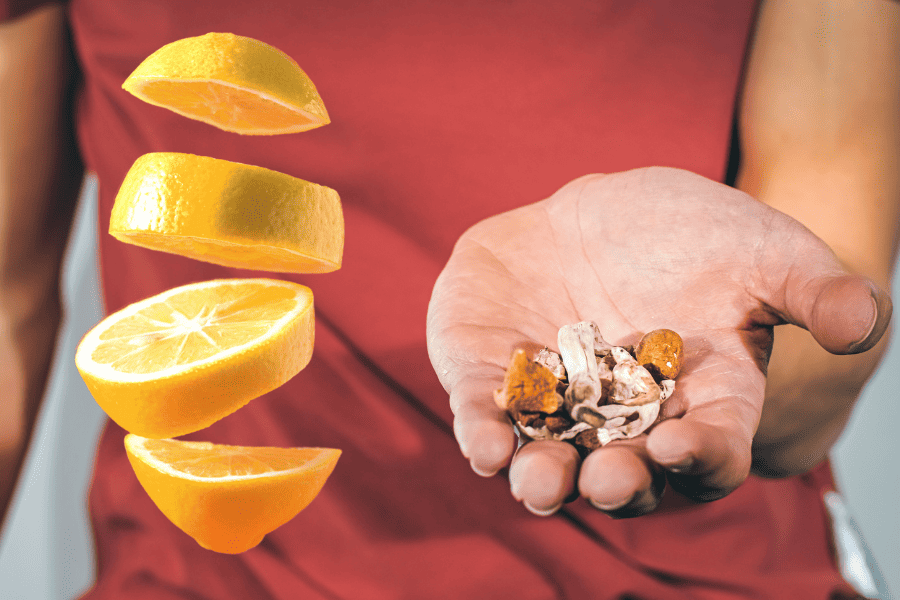
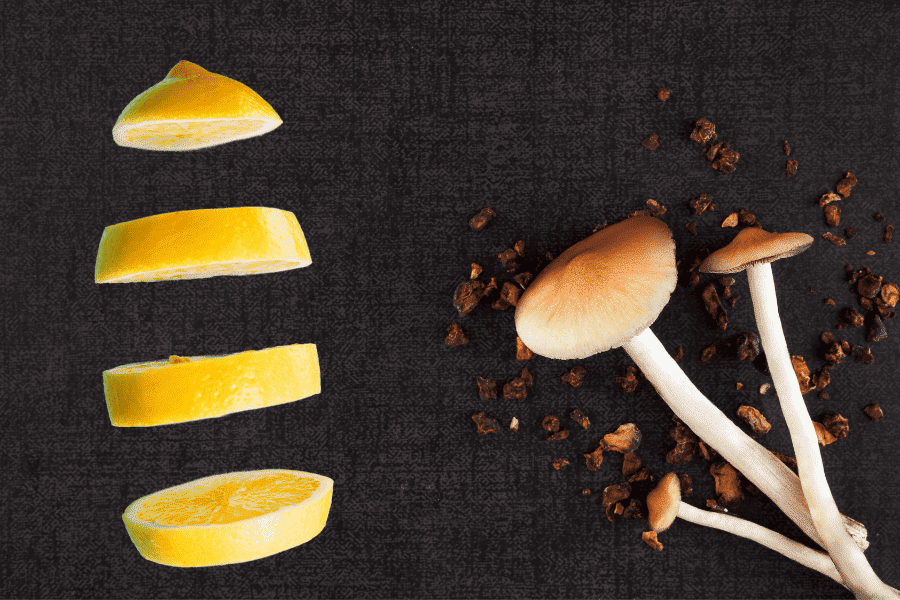
    Have you ever heard of Lemon Tek? If you haven’t, then you are in for a treat. Lemon Tek is a method of preparing magic mushrooms that have become increasingly popular in recent years. Many psychonauts believe that Lemon Tek is a key technique for enhancing the effects of magic mushrooms, especially if you don’t have much at hand.

    The active compounds in the mushrooms are thought to become up to four times more active by soaking them in lemon or lime juice for 15 to 20 minutes. Allegedly this practice will make a trip far more intense and shorter. Only one question remains is there any evidence that these claims are true? Without further ado, let’s explore the world of Lemon Tek.

    How Does Lemon Tek Work

    As you already know Lemon Tek is a method that involves soaking the dried mushrooms in lemon juice or citric acid for a short period of time before consumption. Keep in mind that magic mushrooms, like many other psychedelics, haven’t been fully researched therefore many psychedelic enthusiasts have conducted their own research and experiments.

    It’s speculated that the citrus juice used in Lemon Tek can break down the outer walls of mushrooms simulating the environment of the human stomach. The pH range of the human stomach’s acidic environment ranges from 1.5 to 3.5. The acid levels help break down the food we eat. However, the thick outer layer of mushrooms can take a longer time to break down in the stomach. As a result, the typical come-up time for mushrooms can take up to 90 minutes.

    On the other hand, lemons or limes have a natural acidity level of 2-3pH. This acidity can also help to break down the mushrooms before ingestion. It will potentially reduce the likelihood of feeling nauseous and make the come-up significantly faster. People report that the effects can be felt within 15-20 minutes.

    lemon tekking

    Lemon Tek Pros and Cons

    Naturally, any substance that claims to intensify the experience entails certain risks. Some people may argue that a quicker psychedelic journey isn’t always superior. Lemon trekking your shrooms will amplify their potency, but will you be able to handle the experience? If you are a new psychonaut or a total beginner who is determined to try the Lemon Tek, you should always start with a small dose and gradually increase it until you reach the desired effects.

    Pros

    • Faster onset of effects – By converting active compounds of mushrooms outside of the body, the body can absorb them more quickly, resulting in more rapid effects.
    • Better taste – For those who find the taste of dried mushrooms unappetizing, making a lemony shot out of them can make them much more appealing.

    Reduced nausea – Lemon juice contains acid that can break down chitin, which is found in the cell walls of magic mushrooms and can cause nausea. Using the lemon tek method can reduce or even eliminate this side effect for those with sensitive stomachs.

    Cons

    • Shorter trip duration – The conversion of active compounds beforehand means that the psilocin can take effect more quickly in the body, resulting in a shorter overall trip duration.
    • Intensity: The faster onset combined with an increase in potency can make the trip much more intense. These effects can sometimes be overwhelming, especially for those who are new to the world of psychedelics.

    Lemon Tek Guide

    Now once you know the stakes let’s go over the steps for making a Lemon Tek.

    1. Begin by measuring the amount of mushrooms you plan to take. Generally, for beginners, it’s not recommended to go over 2 grams.
    1. Grind up the mushrooms using a cannabis or coffee grinder.
    1. Squeeze the fresh juice out of one lemon.
    1. Place the powdered mushrooms in a shot glass and pour lemon juice over the top. Lime juice can also work for this method.
    1. Allow the mixture to sit and fuse for around 10-15 minutes, stirring occasionally.
    1. Drink the mixture as a shot and enjoy your trip!

    Some people like to mix this magical lemon shot with tea and honey. This is also a viable option if you want to enjoy the process of consuming your shrooms to the max.

    how to lemon tek

    Is Lemon Tekking Suitable For Beginners?

    No. The best practice for beginners is to stick to lower doses to observe their reactions to mushrooms. Lemon tekking mushrooms is usually practiced by individuals who have prior experience with mushrooms. They may seek a more cost-effective, efficient, and intense mushroom trip. Additionally, this technique of preparing magic mushrooms may be a great option for people with delicate stomachs, since it makes magic mushrooms digest more efficiently.

    What Kind of Mushrooms To Use

    There are numerous different mushroom genus worldwide, although the P. cubensis is the one that is most commonly grown. It’s important to remember that not all species have the same potency.

    For example, doing a Lemon Tek with 2 grams of P. cubensis may be a suitable option for some, but on the other hand using P. Subaeruginosa, which is up to three times more potent than P. cubensis may just be too much. Always make sure that you are well informed about the shrooms you are planning on using for the Lemon Tekking.

    Is Lemon Tek Good For Microdosing?

    While the whole idea behind microdosing is that you don’t feel the initial effects, lemon trekking for this practice is just not a good idea. As Lemon Tekking intensifies the experience, and microdose is all about sub-perceptual doses, attempting to merge these two methods would just conflict with their respective goals.

    shrooms lemon tek

    Final Word

    While Lemon Tek is a promising technique for increasing the potency of your magic mushrooms, it should be approached with caution. The onset of a psychedelic journey will come much faster with greater intensity, compared to chewing and swallowing your mushrooms.

    For new psychonauts, it’s better to stick to more traditional methods like eating the raw mushrooms, swallowing the capsules, or brewing tea. Once you gain some experience it will be much easier for you to handle the Lemon Tek. Stay safe and enjoy the trip!

    FIND YOUR PATH, CHANGE YOUR LIFE

    The Plant Medicine Path is a guide, community and resource for psychedelic healing. We offer support and information for every step of the psychedelic journey, from pre-ceremony research and education, through choosing qualified providers, to post-ceremony integration.
    The Plant Medicine Path and Root to Recovery Geo Directory provides one place for education, information, connection and integration.

    Sharing is Caring:
  • Pharmacology and Effects of  Amanita Muscaria

    Pharmacology and Effects of Amanita Muscaria

    Pharmacology and Effects of Amanita Muscaria

    Table of Contents

    Table of Contents

    Amanita muscaria, commonly known as Fly agaric, is a potent psychedelic mushroom that has been used in sacred ceremonies in different parts of the world and also consumed as a food (with specific preparation methods). Modern scientific knowledge has enhanced our understanding of its effects on the human body and mind.

    Amanita muscaria contains two primary compounds – ibotenic acid and muscimol – which are of particular interest. Although muscarine and muscazone are also present, research suggests they are not as significant. While deadly amatoxins found in other Amanita species are absent in Amanita muscaria, there have been reports of lethal poisoning from the consumption of this mushroom in the past.

    Chemical Structure of Amanita Muscaria

    Ibotenic Acid

    Ibotenic acid, a compound found in select Amanita mushroom species was originally called alpha-toxin, it was later named premuscimol before settling on its current name. Ibotenic acid is an unstable compound, which can result in large losses during extraction and processing. In dried mushrooms, the ibotenic acid content gradually decreases. However, preliminary investigations suggest that summer mushrooms may have a higher concentration than autumn mushrooms. The highest concentration of ibotenic acid is suspected to be in the yellow tissue of the cap just below the skin.

    Siberian mushroom eaters reportedly used 1-4 dried mushrooms for moderate effects, while 5-10 mushrooms were considered immoderate. Ibotenic acid, or its transformation product muscimol, is suspected to play a role in Amanita muscaria intoxications, as it is one of the most important active substances isolated with regard to concentration.

    The presence of ibotenic acid in Amanita Muscaria is uncertain, as some reports have found it while others have not. A thorough and systematic investigation is needed to clarify this situation. The isolation and identification procedures for ibotenic acid have been well-documented, and it is an acidic, optically inactive, alpha-amino acid with a heterocyclic substituent. It is not known how the water of hydration is bound to the compound. Pure ibotenic acid is difficult to dissolve in cold water, but water-free esters and derivatives can be prepared. However, the easy decarboxylation of ibotenic acid makes it unlikely that a cooked meal of the fly-agaric can contain sufficient amounts to be the true active component.

    Muscimol

    Muscimol is a powerful psychoactive compound found in many mushroom species of the Amanita genus. Unlike active substances in regular magic mushrooms, which are a tryptamine, muscimol selectively activates the GABAA receptor with high potency. Muscimol is produced by the decarboxylation or drying of ibotenic acid and is believed to be up to five times more potent than ibotenic acid.

    This creates an interesting scenario where a simple chemical reaction (decarboxylation), which can occur during storage, processing, or in the body itself, generates a compound that is significantly more powerful than the original form.

    fly agaric shrooms

    The Effects of Amanita Muscaria 

    While both muscimol and ibotenic acid have psychoactive properties, the onset of these effects can be quite slow. After ingeting Fly Agaric orally, it usually takes 2 hours to reach the “peak” or the maximum intensity. Usually, the effects can last anywhere from 4 to 10 hours, depending on the dose and potency of the mushroom. The effects it produces can be divided into three separate phases:

    1st Phase – Feelings of increased energy and stimulation, with a slight presence of euphoria.

    2nd Phase – In this phase, people often feel slight drowsiness and are somewhat sedated and tranquilized.

    3rd Phase – This is the point where psychedelic effects start to kick in. The experiences can be described as mystical in nature, with increased awareness of non-ordinary realities, followed by a dreamlike state which can be either blissful or terrifying.

    The nature of these effects can be highly variable, depending on the specific dose, variety of mushroom, and individual differences. The effects may include:

    • Visual distortions
    • Loss of balance
    • Muscle spasms
    • Dream-like experiences
    • Dizziness
    • Visual and auditory impairment
    • Difficulty concentrating on external tasks
    • Sensation of macropsia and/or micropsia (perceiving objects as very large or very small)
    • Nausea and vomiting

    The Bottom Line 

     While Amanita muscaria has been used for its psychoactive effects for ages, caution should be taken as its effects can be unpredictable, and consumption can lead to severe poisoning. The mushroom contains ibotenic acid and muscimol, which are the primary compounds of interest.

    While the deadly amatoxins found in other Amanita species are absent in Amanita muscaria, there have been reports of lethal poisoning from its consumption, that’s why these fungi should be approached with extreme caution.

    FIND YOUR PATH, CHANGE YOUR LIFE

    The Plant Medicine Path is a guide, community and resource for psychedelic healing. We offer support and information for every step of the psychedelic journey, from pre-ceremony research and education, through choosing qualified providers, to post-ceremony integration.
    The Plant Medicine Path and Root to Recovery Geo Directory provides one place for education, information, connection and integration.

    Sharing is Caring: